The Ult Pro controller marks a shift in what wireless gaming hardware can deliver. It’s not just about connectivity or build quality—it’s about redefining precision at a price point that challenges the status quo. For professional gamers, this means eliminating stick drift entirely while offering tools to tailor input feel and responsiveness. For casual players, it means access to high-end features without the premium cost barrier.
At its core, the Ult Pro uses TMR (Tunnelling Magnetoresistance) thumbsticks, a next-generation sensor that promises zero drift—a problem that has plagued mechanical controllers for years. Traditional Hall Effect sensors, while reliable, struggle with accuracy under pressure or prolonged use. The N64, by contrast, leverages this new tech to maintain consistent input even in fast-paced games, where micro-adjustments can decide matches.
Connectivity is built around flexibility. It supports 2.4 GHz wireless (via a included dongle), Bluetooth for mobile and TV setups, and USB-C wired mode with simultaneous charging. On PC, wired play hits a 1000 Hz polling rate—critical for competitive titles where input lag can be the difference between victory and defeat.
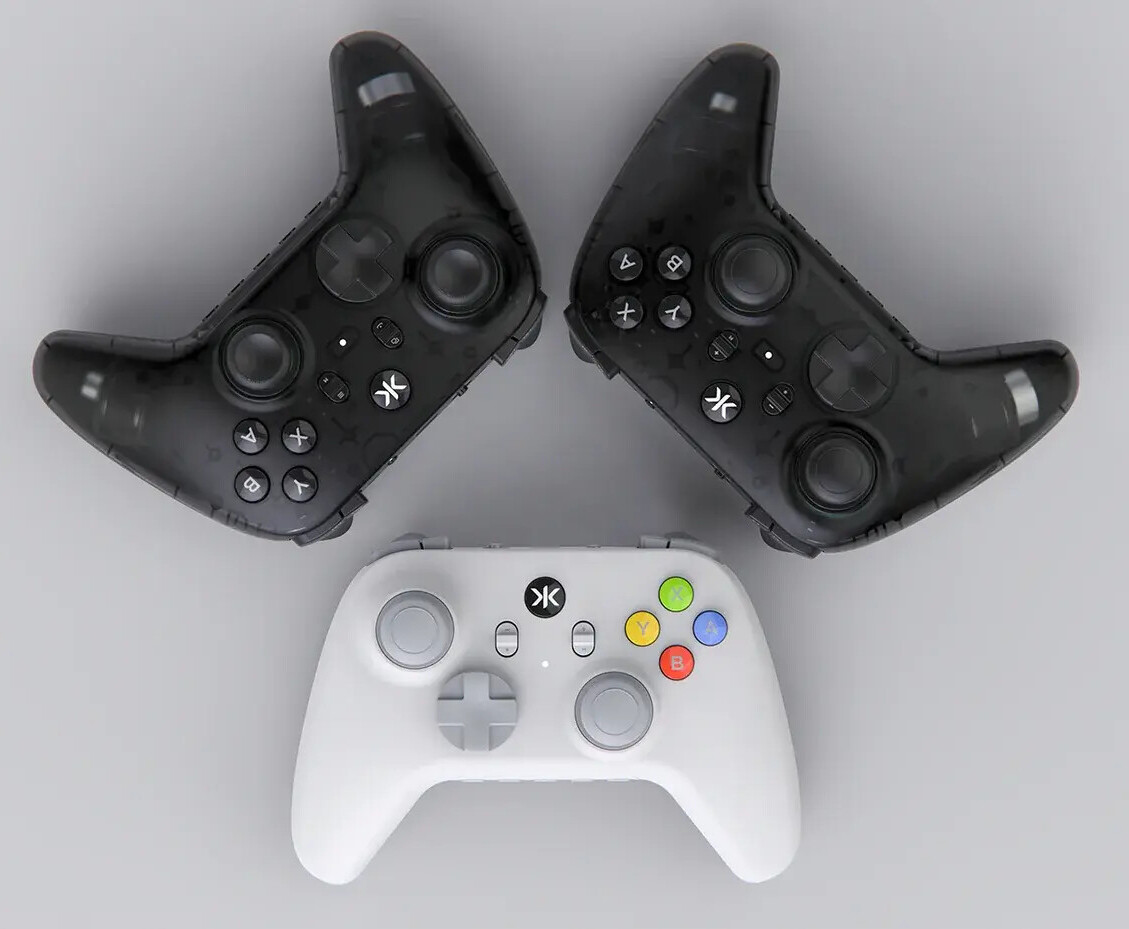
Specs and Real-World Impact
- Thumbsticks: TMR sensors (zero drift)
- Triggers: Adjustable travel, Hall Effect sensors for fine-tuned sensitivity
- Polling Rate: 1000 Hz (PC wired mode)
- Connectivity: 2.4 GHz wireless, Bluetooth, USB-C wired
- Customization: Six extra remappable buttons, dual four-way toggle switches, profile presets
- Battery: Rechargeable with optional AA battery swapping
The real-world implications are clear. Competitive players on PC or Switch can now fine-tune their setup with trigger toggles that switch between short clicks and longer smooth pulls, depending on the game. The six additional remappable buttons—four on the rear and two in the shoulder zone—allow for complex macros without sacrificing ergonomics.
Who It’s For—and Who Can Skip
For enthusiasts, the Ult Pro is a powerhouse: swappable stick tops, adjustable rumble, no-deadzone mode, and turbo functions add layers of control. But its value extends beyond the high-end market. The inclusion of a rechargeable battery (with optional AA backups) and a charging dock means it’s practical for daily use, not just tournaments.
That said, the price remains a wildcard. At $129.99, it competes with mid-range controllers but lacks the brand premium of top-tier models like the N9C or 8BitDo’s retro-focused offerings. Whether this is a smart cost play or an entry into a crowded market will depend on how CRKD balances performance with long-term reliability.
Availability is set for late June, with pre-orders opening immediately. For now, the Ult Pro stands as a test case: can it deliver on its promises without overpromising in areas like battery life or cross-platform consistency? The answer will determine if this is just another controller—or a true leap forward.