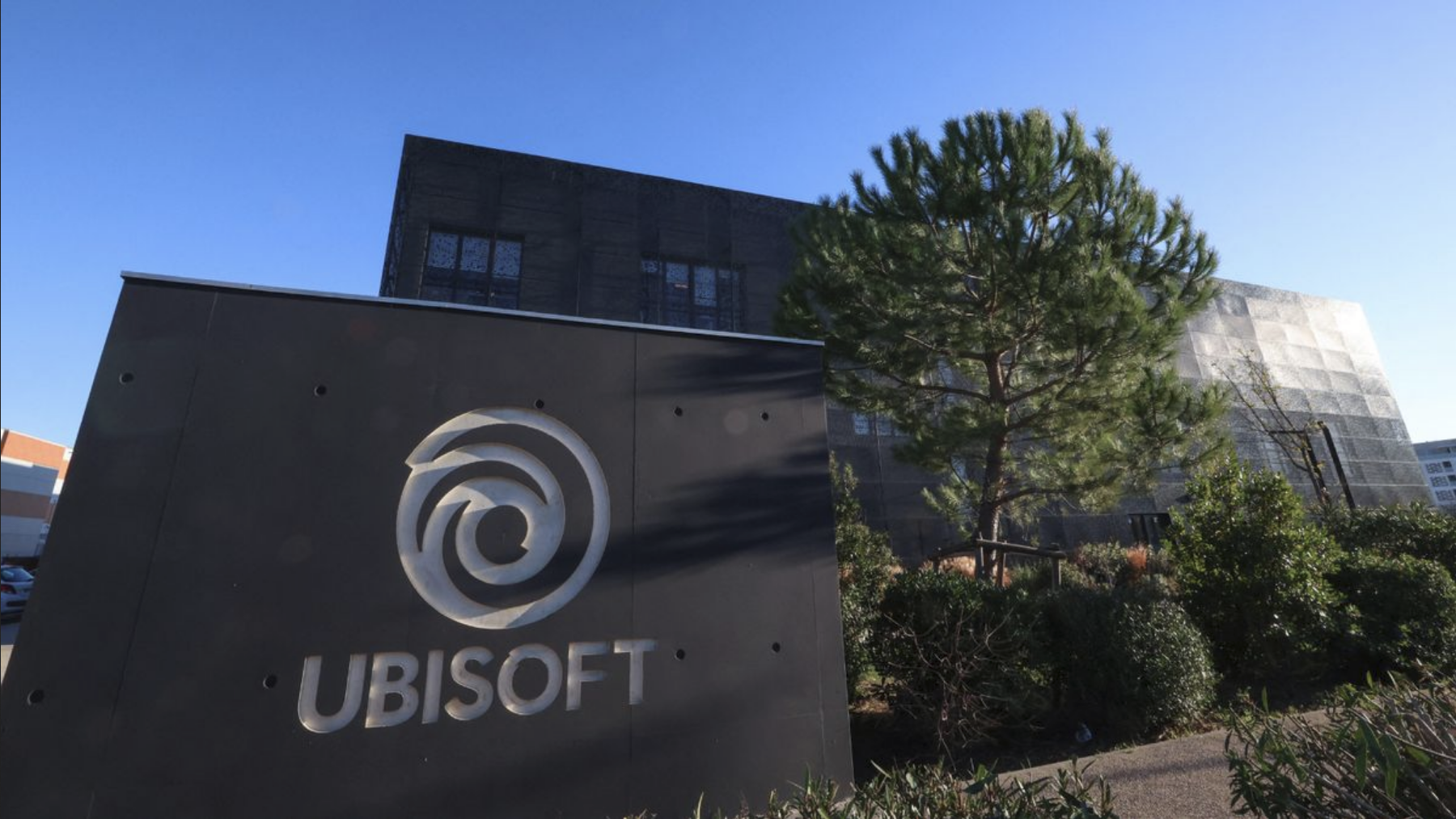
Ubisoft’s Paris headquarters is bracing for a significant workforce reduction as the company pushes forward with a voluntary severance initiative aimed at cutting up to 200 roles. The program, framed as a collective voluntary termination agreement (Rupture Conventionnelle Collective, or RCC), applies exclusively to employees under French contracts at Ubisoft International—the legal entity overseeing the Paris HQ. While the final number of affected positions remains uncertain, the proposal signals a deepening financial crisis at a studio synonymous with blockbuster franchises like *Assassin’s Creed* and *Far Cry*.
The announcement comes on the heels of a sweeping corporate overhaul labeled the Major Reset, which has already triggered delays, cancellations, and a precipitous drop in share value—from a peak of **$10 billion** in 2018 to just **$500 million** as of last week. The restructuring has also reignited tensions between management and labor, culminating in a strike outside Ubisoft Paris on January 22, where union representatives accused CEO Yves Guillemot of disregarding employee contributions to the company’s success.
For Employees: A Voluntary Program with High Stakes
The RCC proposal, if approved by unions and French authorities, would allow eligible employees to opt for severance packages in exchange for leaving the company voluntarily. However, the program’s voluntary nature raises questions about its effectiveness—particularly given the emotional toll of recent layoffs and the broader industry-wide trend of talent exodus from struggling studios. Employees under French contracts are the sole focus, with no immediate impact on other Ubisoft teams globally or French entities outside the Paris HQ.
- Severance terms remain undisclosed, though collective agreements typically include financial incentives and support for reemployment.
- Final approval hinges on union negotiations and government validation, a process that could take weeks or longer.
- Morale has plummeted, with reports of anger and despair among staff, especially after Guillemot’s return-to-office mandate and the cancellation of high-profile projects.
For the Industry: A Test Case for Corporate Restructuring
Ubisoft’s gambit is being watched closely by peers in the gaming sector, where cost-cutting measures often clash with creative output. The company’s decision to centralize operations into five Creative Houses—a move aimed at streamlining production—has already led to delays in titles like *Prince of Persia: Sands of Time Remake* and cancellations, including *The Division 3*. Industry analysts question whether the RCC program will achieve the €200 million in cost savings without further damaging Ubisoft’s reputation as an employer.
Union leaders, including those from Solidaires Informatique, have framed the layoffs as a symptom of deeper mismanagement, citing Guillemot’s leadership as a primary driver of the company’s financial unraveling. The union’s stance underscores a broader challenge: Can voluntary severance programs like this one balance financial necessity with workforce stability in an era of rapid industry change?
For Investors: A Race Against Time
Ubisoft’s stock has hemorrhaged value, and the RCC program is part of a desperate effort to stabilize finances. The company’s market cap now sits at **$500 million**, a fraction of its 2018 peak, reflecting investor skepticism about its ability to execute the Major Reset without further disruptions. Analysts suggest that the success of the severance program—and the broader restructuring—will hinge on two factors: whether unions can negotiate fair terms for affected employees and whether the remaining workforce can adapt to the new Creative Houses model.
- Short-term risks include prolonged negotiations, potential legal challenges, and further erosion of employee trust.
- Long-term outcomes depend on whether the cost savings translate into viable game development pipelines or if the company faces additional layoffs.
Availability and Next Steps
The RCC proposal is currently in the early stages of discussion, with no timeline for finalization. Ubisoft has emphasized that no decisions will be made until agreements are reached with unions and approved by French labor authorities. In the meantime, employees are urged to monitor official communications for updates on severance terms and negotiation progress.
What is clear is that Ubisoft’s Paris HQ stands at a crossroads. The voluntary severance program is not just about numbers—it’s a reflection of a company in flux, grappling with legacy challenges while attempting to redefine its future. For employees, the coming weeks will be critical. For the industry, the outcome could set a precedent for how studios navigate financial crises without sacrificing their creative core.