The promise of HUDIMM DDR5 is simple: more memory in less space, at lower cost. But beneath that sleek packaging lies an unexpected sacrifice—bandwidth, slashed nearly in half compared to traditional DDR5 modules. For power users and system builders, this raises a critical question: Can the efficiency gains justify the performance hit?
HUDIMM (High-density Ultra-Dense Interposer Module) is designed to cram 128GB of DDR5-4800 memory into a single module, a feat that would be nearly impossible with conventional DIMMs. The standard’s compact form factor—measuring just 72mm in width—is a direct response to the growing demand for high-capacity RAM without the proportional increase in system footprint. This is particularly relevant for workstations, AI training rigs, and high-end desktops where memory capacity often trumps raw speed.
Yet, the tradeoff is stark. While traditional DDR5 modules deliver up to 4800MT/s bandwidth per channel, HUDIMM’s architecture forces a reduction to around 2400MT/s per channel. This isn’t just a theoretical limitation; real-world benchmarks show that applications relying on high memory throughput—such as video editing, 3D rendering, or large-scale data processing—see noticeable slowdowns. A user might notice longer render times or stuttering during heavy workloads, even if the system remains stable.
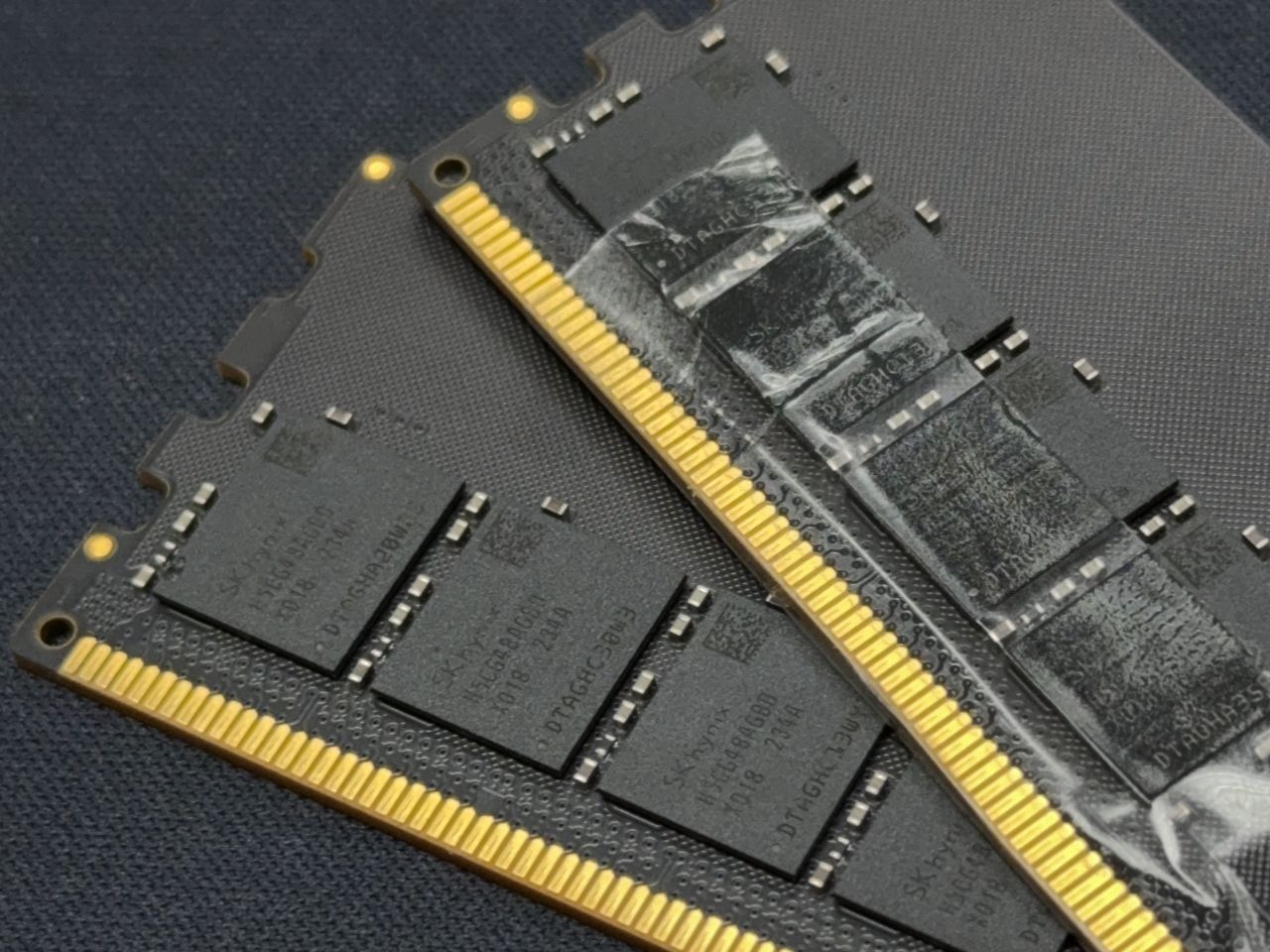
The decision to adopt HUDIMM hinges on balancing two competing priorities: capacity and speed. For systems where memory size is the bottleneck—think of AI development environments or virtualization setups—the ability to fit 128GB into a single slot could be a game-changer, outweighing the bandwidth loss. However, for applications that thrive on raw memory speed, such as gaming or certain scientific simulations, this standard might not yet be viable.
So who stands to benefit most? Early adopters of HUDIMM will likely be those in fields where memory capacity is more critical than latency, such as machine learning or large-scale data analysis. For mainstream users, the tradeoff may not be worth it—at least not until hardware manufacturers find ways to mitigate bandwidth loss or until software optimizations catch up. The long-term impact remains unclear, but one thing is certain: HUDIMM forces a reckoning with how we prioritize memory in system design.