In the competitive landscape of gaming displays, MSI has announced a new generation of 32-inch QD-OLED monitors that aim to tackle some of the most persistent challenges faced by gamers. These monitors promise to eliminate the notorious purple tint often associated with OLED screens while also boosting black levels by up to 40%. Additionally, they are designed to prevent OLED burn-in, a concern for those who spend long hours in front of their screens.
The new MSI monitors feature a 32-inch QD-OLED panel that combines the brightness and color accuracy of Quantum Dots with the deep blacks and high contrast of traditional OLEDs. This combination is expected to deliver a more vibrant and true-to-life gaming experience, particularly in environments where lighting conditions can vary significantly.
Performance and Features
The monitors are built around a 144Hz refresh rate, which is standard for high-end gaming displays, but MSI has also included features like Adaptive Sync technologies to ensure smooth visuals without tearing or stuttering. The panel's resolution is set at 3840x2160 (4K), providing sharp and detailed imagery that is crucial for competitive gaming.
Thermal Management
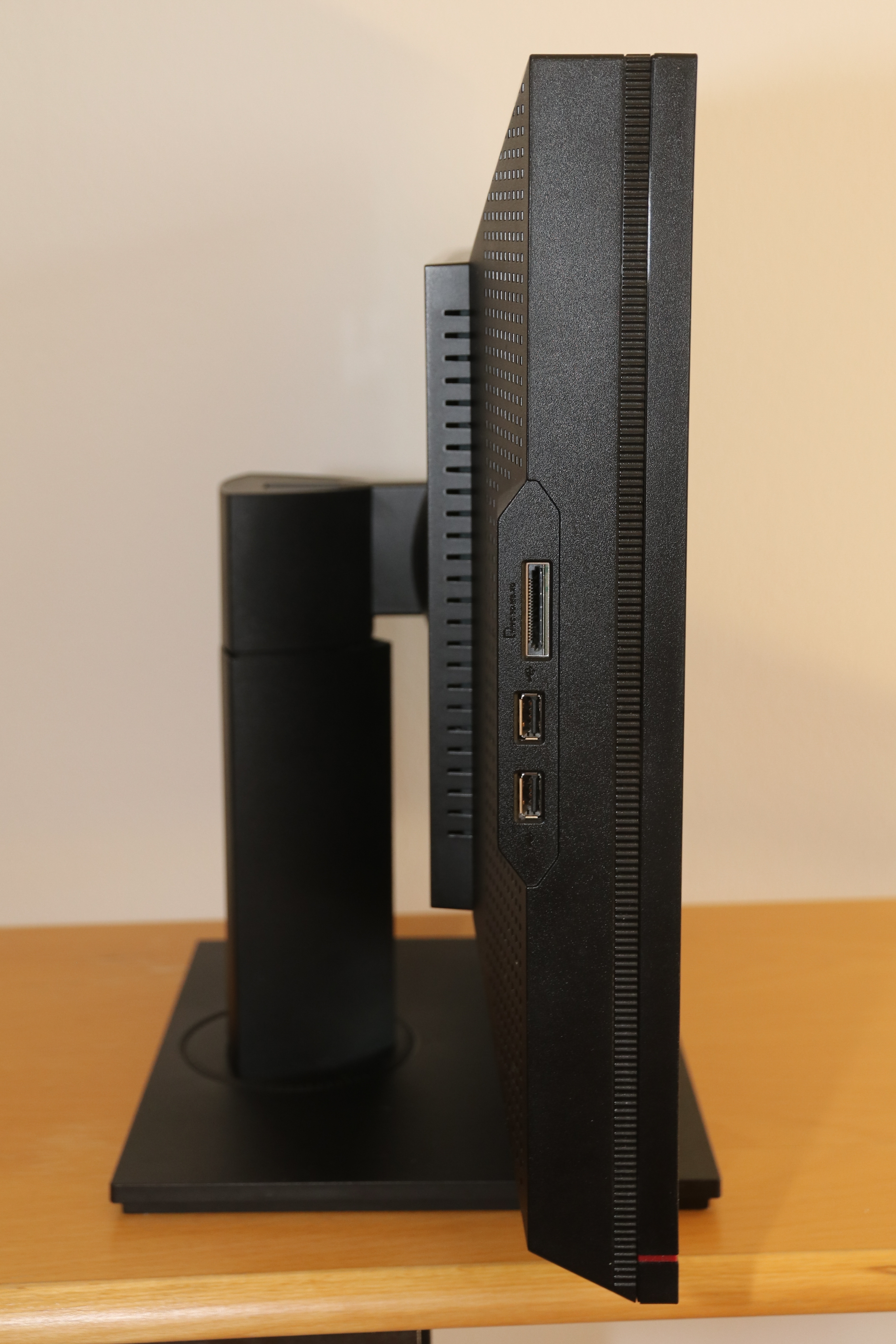
A notable focus of these new monitors is their thermal management system. MSI has implemented a sophisticated cooling solution to prevent overheating, which can be particularly beneficial during long gaming sessions or when the monitor is used in high-ambient-temperature environments. This is a critical aspect for enterprise buyers who often operate in data centers or offices with limited airflow.
Compatibility and Risk
However, one of the key concerns for potential buyers, especially in enterprise settings, is compatibility. OLED panels, while offering superior image quality, can be more demanding on hardware components such as graphics cards and CPUs. This means that users will need to ensure their existing systems are up to the task or be prepared to invest in new hardware. The risk here lies not just in performance but also in the potential for increased power consumption and heat generation, which could impact overall system stability.
Competitive Positioning
MSI's new monitors position themselves against other high-end gaming displays from brands like ASUS, Alienware, and LG. While these competitors have already made significant strides in OLED technology, MSI aims to differentiate itself by addressing specific pain points such as purple tint and burn-in prevention. The challenge will be to prove that these improvements are substantial enough to justify the premium price point, especially when compared to more established QD-OLED offerings.
The introduction of these monitors also raises questions about their long-term viability. OLED technology, while advanced, is still relatively new in the gaming monitor market, and its longevity remains a topic of debate. MSI's efforts to mitigate burn-in and other common issues could go a long way in building confidence among enterprise buyers who are often more risk-averse when it comes to adopting new technologies.
In summary, MSI's new 32-inch QD-OLED monitors represent a significant step forward in gaming display technology. They offer a compelling combination of performance, image quality, and thermal management that could appeal to both enthusiasts and enterprise buyers. However, the true test will be how well they perform under real-world conditions and whether they can sustain their edge over competitors in the long run.