Professionals working with high-bandwidth workloads now have access to the fastest DIY RAID solution in a compact form factor. The new enclosure supports four NVMe M.2 drives configured in various RAID levels, achieving peak speeds of up to 6,622 MB/s—enough for intensive 8K+ video editing without sacrificing desk space.
Thunderbolt 5’s expanded bandwidth is the foundation for this performance leap, allowing seamless daisy-chaining of multiple enclosures into a single massive volume. While previous generations focused on raw speed, this iteration adds smart thermal management and compatibility with both Mac and PC systems running Thunderbolt 3 or newer.
Key Specifications
- Performance: Up to 6,622 MB/s with four drives in RAID configurations (0/1/4/5/10/JBOD).
- Capacity: Supports up to 32 TB per enclosure; multiple enclosures can be linked for larger volumes.
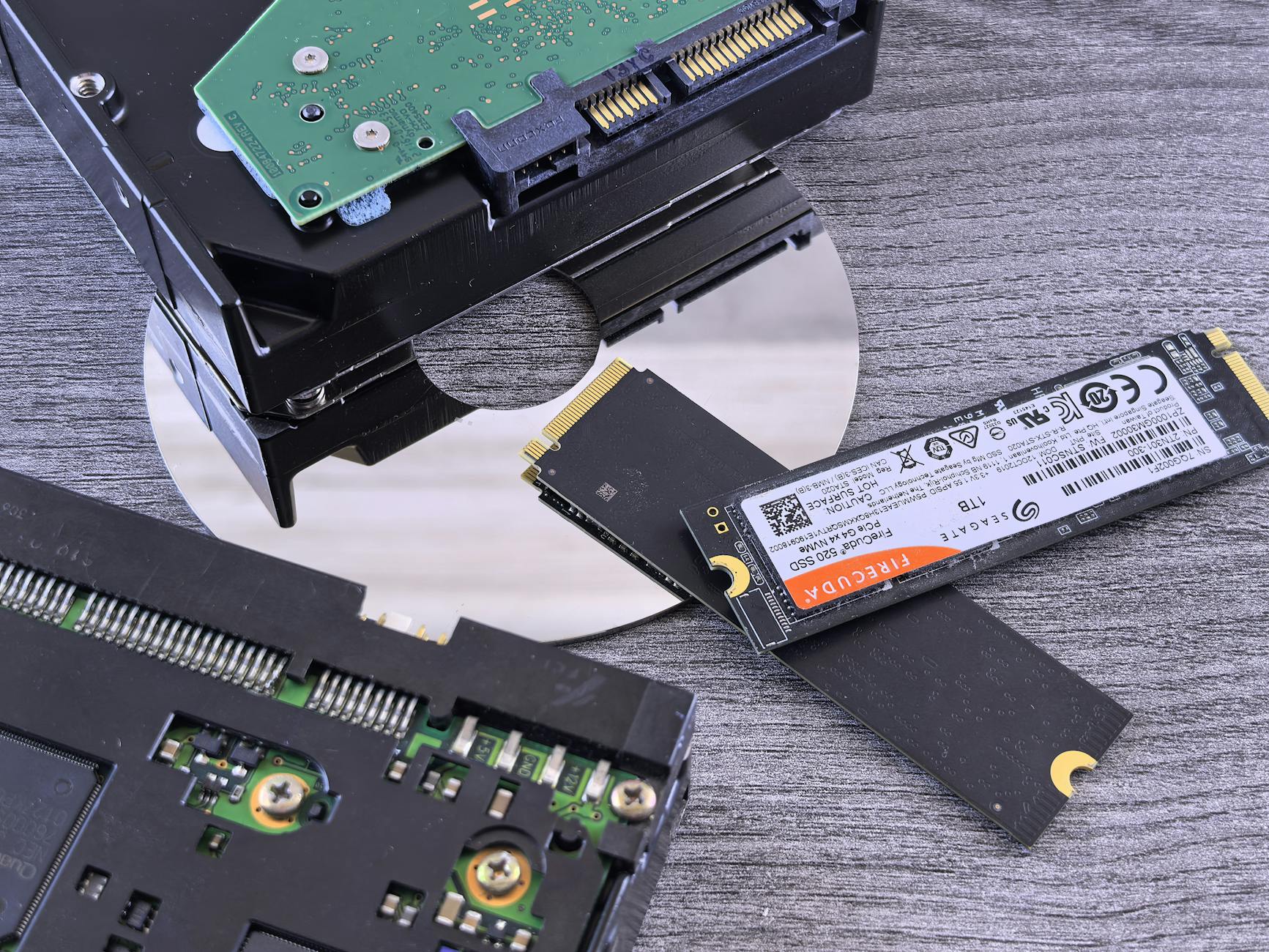
- Drive Support: M.2 2280 or 2242 NVMe SSDs (user’s choice).
- Ports: Dual Thunderbolt 5 ports—one for data, one for daisy-chaining additional devices.
- Thermal Design: Aircraft-grade aluminum housing with adaptive fan cooling.
- Compatibility: Works with Thunderbolt 5, 4, and USB4 systems (including Macs and PCs).
For users who prioritize flexibility over out-of-the-box solutions, this enclosure lets them mix drives from different brands while managing RAID setups via third-party utilities. The second Thunderbolt port isn’t just for daisy-chaining; it can also power peripherals, reducing clutter on high-end workstations.
Who Benefits—and Who Should Wait
Enthusiasts and professionals handling 8K video, multi-stream rendering, or large dataset processing will see immediate value. However, those without existing Thunderbolt 5 systems may need to factor in upgrade costs before committing. For now, the enclosure is available for pre-order at $399.99 (without RAID software) or $549.99 (with SoftRAID), with shipping expected mid-2026.
This launch reinforces Thunderbolt 5’s role in high-performance storage, but buyers should weigh whether the speed gains justify the premium over USB4 alternatives—especially if their current workflow doesn’t yet demand 8K-level throughput.