PC builders are facing a silent crisis: AI workloads are consuming memory at an unprecedented rate, but a fresh batch of SSD deals is offering a lifeline. These drives aren’t just cheap—they’re redefining what’s possible in a storage market that has otherwise mirrored the inflation seen elsewhere.
The core of the problem is simple: RAM prices have climbed steadily, squeezing budgets for those who want to push performance further. Yet, at the same time, storage capacity has become more accessible than ever, with 2TB SSDs now hitting shelves at prices that make them a viable alternative for power users and everyday enthusiasts alike.
That’s the upside—here’s the catch: not every user needs to jump on these deals. The real benefit lies in balancing cost and capacity without sacrificing speed or reliability, which means understanding where these drives fit into your workflow is key.
The efficiency shift
For PC builders, the equation has always been about performance per watt—how much you get for your power budget. These new SSD deals are flipping that dynamic. A 2TB drive with NVMe speeds isn’t just a storage upgrade; it’s a way to offset the rising cost of RAM by freeing up system resources elsewhere.
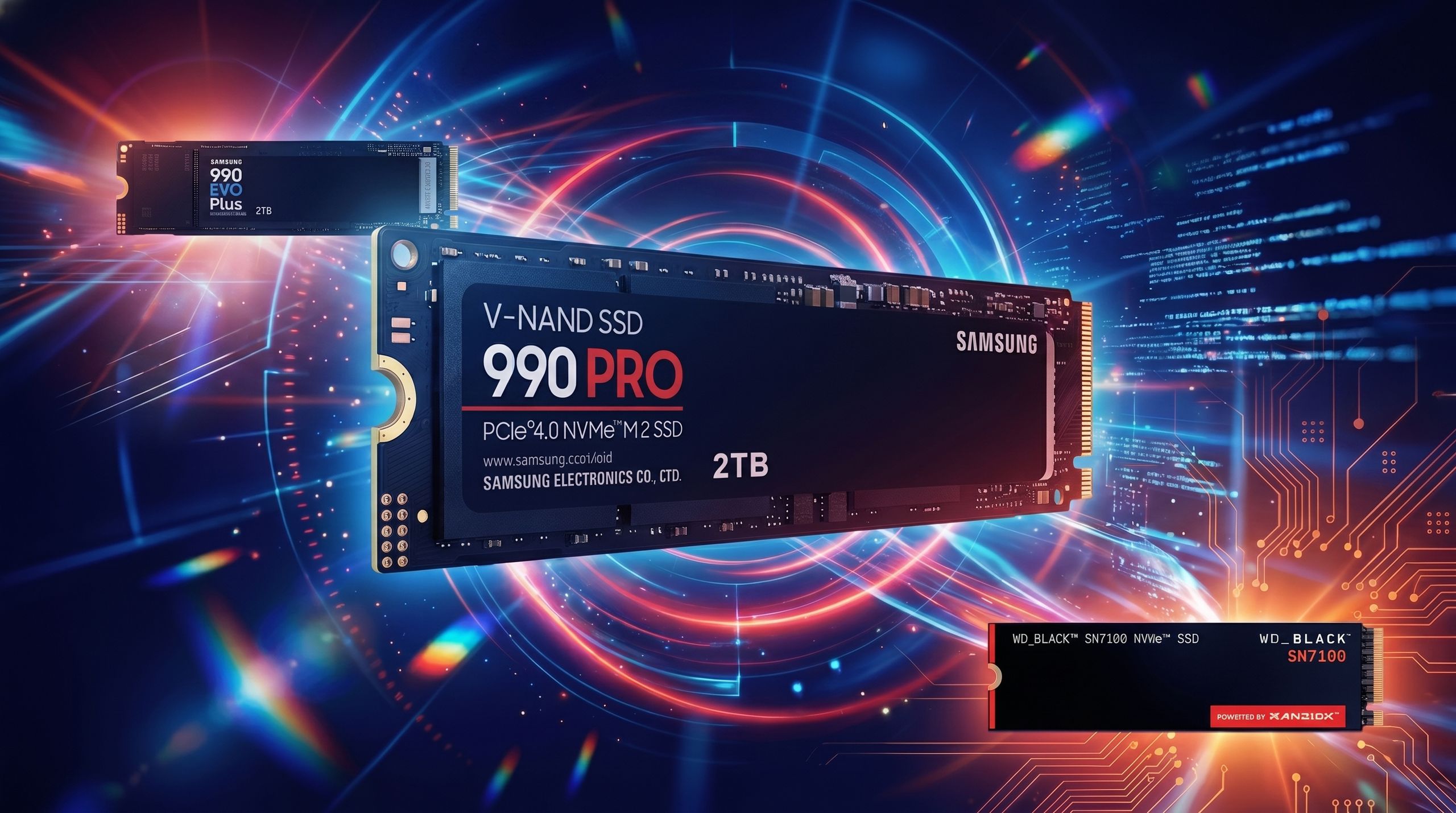
Take, for example, the models now available: they’re not just about raw capacity but also about thermal behavior and power efficiency. Older generations of SSDs could run hot under sustained loads, adding unnecessary strain to cooling systems. The latest batch addresses that with better heat dissipation, meaning less fan noise and longer lifespans—critical factors for those running 24/7 workloads.
Who benefits—and who can skip
The immediate appeal is clear for content creators and power users who demand more storage without the usual premium. But even everyday PC users might find value, provided they’re willing to invest in a drive that will outlast their current setup by years. The key difference here isn’t just price; it’s the balance of cost, capacity, and efficiency.
That said, not every upgrade path requires this level of storage. If your needs are modest—a few hundred gigabytes for documents, media, or light gaming—these deals might feel like overkill. But for those who’ve been holding off on upgrades due to sticker shock, the timing couldn’t be better.
The endgame is simple: where RAM costs have become a barrier, storage has become an enabler. The question now isn’t whether these drives are worth it—it’s how long they’ll remain this affordable before the market shifts again.