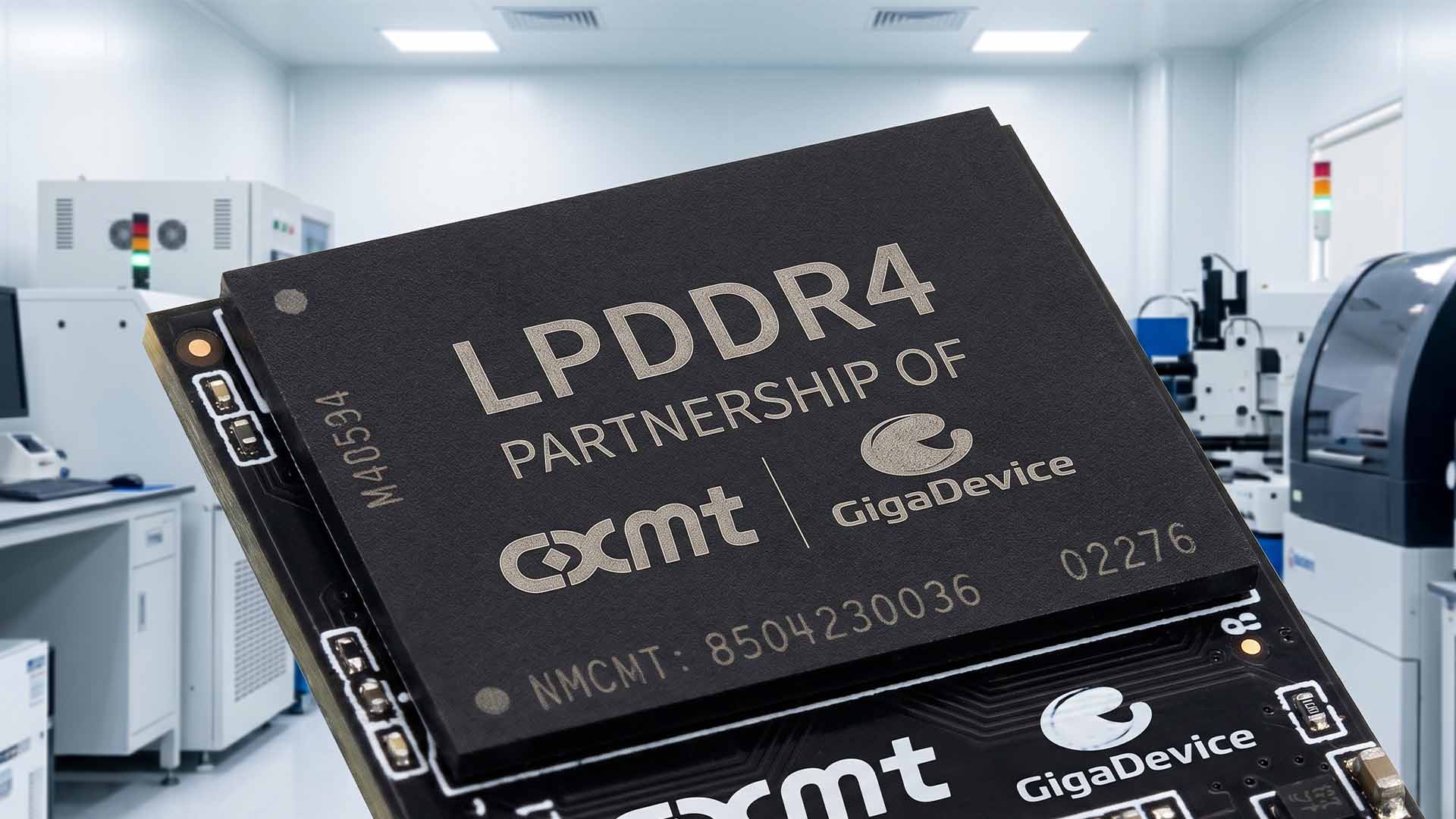
Samsung’s DRAM production is set to rise by just 5% this year, a modest increment that starkly contrasts with the explosive demand for memory—particularly high-bandwidth memory (HBM)—fueled by AI. This discrepancy is leaving consumer hardware in a prolonged bottleneck, with no relief in sight until at least 2028.
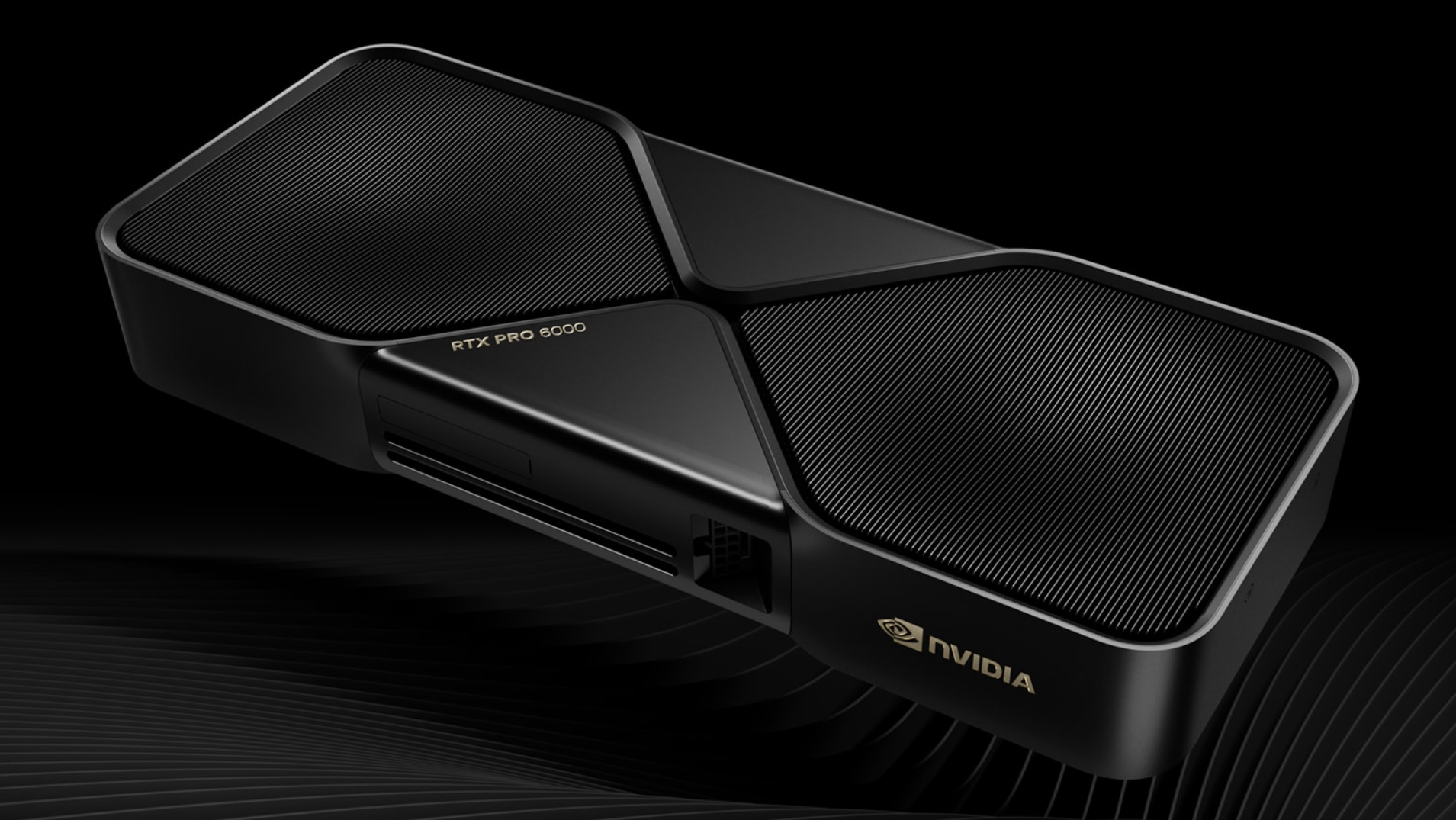
The memory supply chain has become a battleground, where hyperscalers and chipmakers like AMD and NVIDIA are siphoning off DRAM that would otherwise power laptops, smartphones, and gaming PCs. Samsung’s expansion efforts, including its plans to boost output at the Pyeongtaek campus in South Korea, are primarily directed toward HBM technologies—HBM3, HBM3E, and the upcoming HBM4—rather than traditional DRAM used in consumer devices.
This shift is not just about volume; it’s about priorities. While AI-driven workloads demand specialized, high-performance memory with stacked dies for faster data transfer, consumer hardware relies on more conventional DRAM configurations. The result? A supply chain that prioritizes the needs of data centers over everyday tech, leaving consumers stuck in a cycle of shortages and inflated prices.

- Production Increase: 5% (approaching eight million wafers this year)
- Focus Areas: HBM3, HBM3E, HBM4 (stacked DRAM for AI and high-performance computing)
- Consumer Impact: Prolonged shortages, limited availability of traditional DRAM
The 5% increase in Samsung’s DRAM output is a drop in the ocean compared to the projected 30% year-over-year rise in demand, much of which is driven by AI. This imbalance is not just a temporary hiccup; it reflects a fundamental realignment of the memory market. HBM, with its vertical stacking and high bandwidth, is becoming the backbone of next-generation computing, but its production is outpacing the needs of consumer electronics.
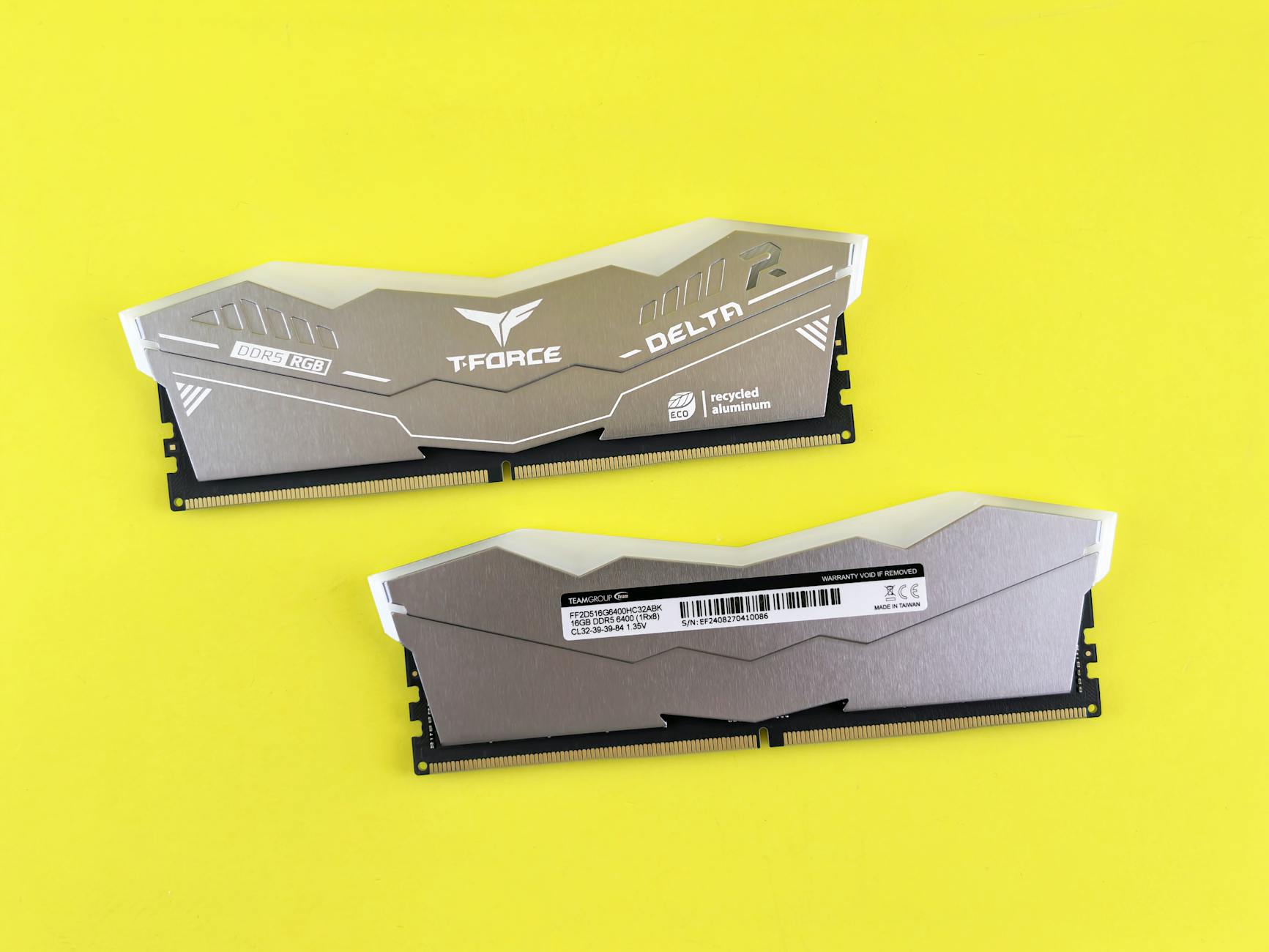
For consumers, this means longer wait times for upgrades, higher prices for memory modules, and a supply chain that seems increasingly indifferent to their needs. The trade-off is clear: while AI thrives on cutting-edge HBM, consumer tech languishes in a landscape where even basic DRAM is scarce. The memory crunch isn’t just about chips—it’s about whose needs get prioritized in an era dominated by artificial intelligence.
Availability and pricing for consumer DRAM remain uncertain, with no significant relief expected before 2028. In the meantime, thieves are reportedly pulling modules from PCs, as the resale value of memory has surged beyond that of entire systems—a grim testament to the severity of the shortage.