Tesla has achieved a significant milestone in its AI processor development, finalizing the production of its AI5 chip at leading semiconductor foundries. This advancement is not just about performance but also about redefining how complex AI systems are packaged and deployed.
The collaboration with Intel introduces a new approach to manufacturing, leveraging Intel's EMIB technology for assembly and testing. This method connects multiple dies via silicon bridges, offering greater flexibility in customizing interconnect layouts—a critical factor for Tesla's large Dojo modules that combine several 654 mm² chips into a single package.
Samsung will produce the D3 training chips at its Texas facility using a 2 nm process, while Intel will handle packaging operations exclusively. This division of labor addresses capacity constraints and allows Tesla to tailor interconnect layouts more effectively, ensuring optimal performance across both Samsung and TSMC-produced AI5 automotive chips.
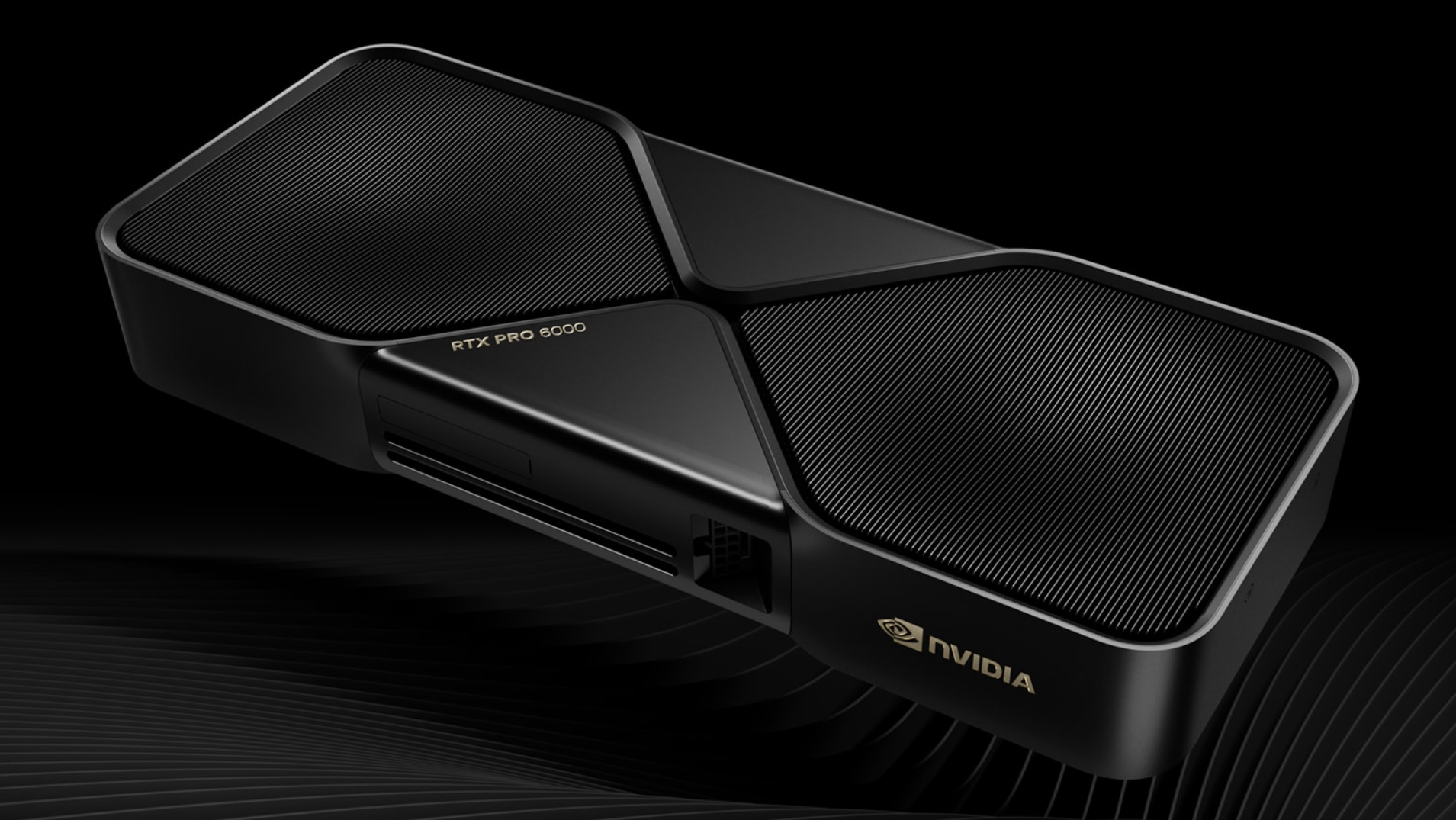
The practical impact of this partnership is substantial. The AI5 chip is designed to deliver performance on par with NVIDIA's 'Hopper' architecture but with a power efficiency that significantly outperforms competitors. Initial projections suggest the AI5 could operate at just 150 W while matching the performance of NVIDIA's H100 accelerator, which requires 700 W. This efficiency is achieved by removing general-purpose graphics subsystems and optimizing the architecture specifically for Tesla's neural processing.
Building on the foundation of Tesla's earlier D1 processor—a 7 nm training chip with 50 billion transistors arranged in a unique 5x5 tiling system—the Dojo 3 project aims to push the boundaries of AI computing further. The use of Intel's EMIB technology, including emerging EMIB-T and EMIB-M variants, could enable packaging up to 16 compute dies with 24 HBM memory modules in a single package, suggesting a significant leap in computational power.
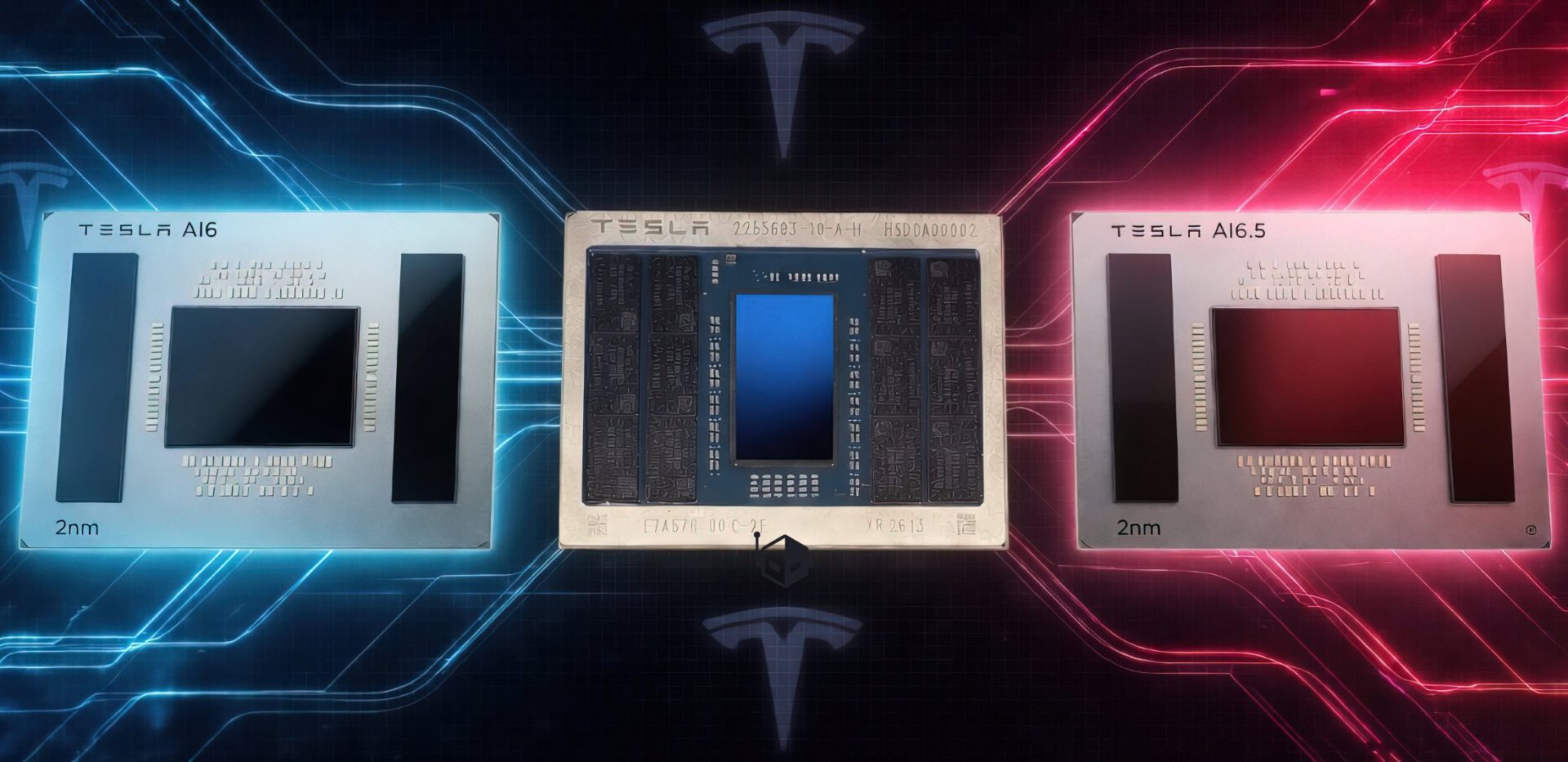
This partnership also highlights Tesla's ambitious plans for future AI processors. The company is targeting nine-month design cycles for the AI6 and AI7 chips, with the latter aimed at space-based computing applications. This rapid development cycle underscores Tesla's commitment to staying at the forefront of AI innovation.
The collaboration between Tesla and Intel is more than just a technological advancement; it represents a strategic shift in how AI systems are designed, manufactured, and deployed. By combining Tesla's expertise in AI processors with Intel's advanced packaging technology, this partnership sets a new benchmark for performance, efficiency, and scalability in the field of AI computing.