The $650 Steam Deck model has become a microcosm of the current handheld gaming market’s tensions. Launched with 8GB LPDDR5 RAM and 128GB NVMe storage, it was positioned as an affordable entry point into Valve’s portable gaming ecosystem. However, real-world usage patterns have exposed its limitations, particularly when players attempt to juggle multiple games, browser sessions, or communication apps alongside their primary titles.
Industry observers note that the device’s core hardware—featuring a Zen 2 CPU and RDNA 2 GPU clocked at up to 1.9GHz and 1.75GHz respectively—still delivers respectable performance in 720p or 1080p resolutions. But the bottleneck has shifted from raw processing power to memory management. The 8GB RAM configuration, while adequate for single-player experiences, struggles under multi-tasking scenarios, leading to noticeable stuttering when players try to run browser tabs, Discord clients, or game overlays simultaneously.
Storage and RAM: The new battleground
The 128GB storage capacity, once considered generous for a handheld device, now fills up rapidly with even modest game libraries. Local saves, mods, and system updates further exacerbate the issue, leaving players with few viable options to expand capacity without resorting to microSD cards—which introduce their own drawbacks, including increased bulk and potential thermal concerns.
- RAM upgrades are limited; 16GB configurations now typically start at $750 or higher, pushing the effective value proposition beyond the original price point.
- Cloud saves mitigate some storage pressures but remain dependent on stable internet connectivity, which can be unreliable in portable scenarios.
- External storage solutions exist, but they add complexity and cost, further eroding the appeal of the base model for players seeking simplicity.
Builders in this segment are responding by emphasizing software-based workarounds, such as game streaming services, to offset hardware limitations. However, these solutions do not address the fundamental issue: the growing gap between player expectations and the hardware capabilities of entry-level handhelds.
A broader industry shift
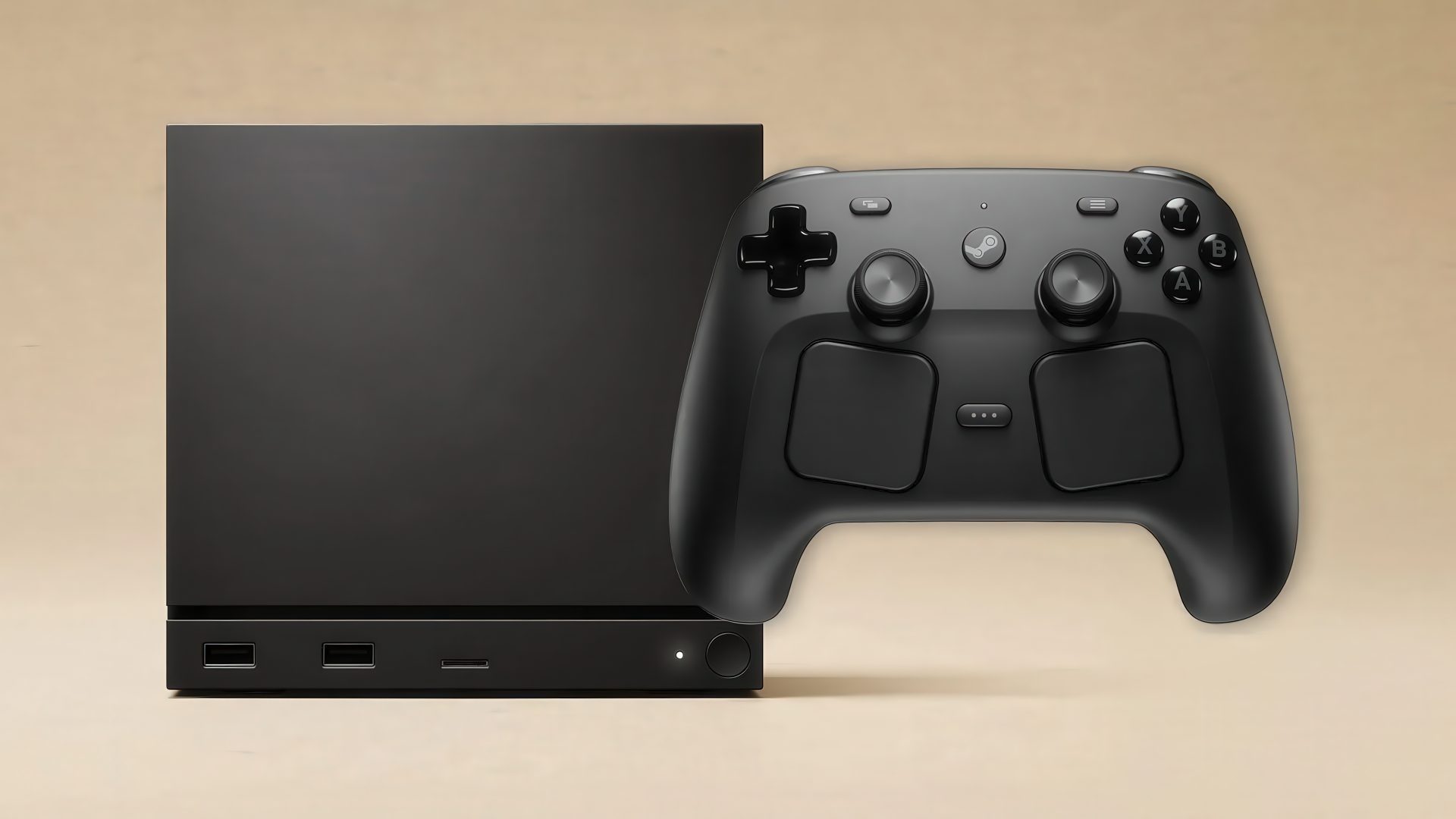
This situation is not unique to Valve. The handheld gaming market has increasingly focused on balancing RAM, storage, and thermal efficiency without inflating prices. As a result, manufacturers are recalibrating their value propositions, often prioritizing software optimizations over hardware upgrades to stretch the capabilities of existing devices.
The $650 Steam Deck model serves as a case study in how these trade-offs play out. Players who purchased it with an eye toward portability and single-player gaming remain satisfied, but those seeking versatility or multi-tasking are being forced to reconsider their priorities—or invest in higher-tier configurations where the price per GB becomes more competitive.
Looking ahead
The lessons from this model’s performance will likely shape future iterations of handheld devices. If Valve or competitors choose to rethink the memory/storage equation, they may need to explore innovative solutions such as dynamic RAM allocation, improved storage compression, or modular designs that allow for easier upgrades. Until then, buyers must weigh the immediate cost against long-term usability, recognizing that value in portable gaming is no longer just about the sticker price but how effectively a device can adapt to evolving player behaviors.