storage is no longer just about capacity—it’s becoming the backbone of AI processing.
Samsung has unveiled its UFS 5.0 solution, which achieves an industry-first data transfer speed of 10.8 GB/s. This leap in performance is designed to address the growing demands of on-device AI workloads, where storage latency directly impacts responsiveness and efficiency.
The new standard, built on JEDEC’s latest embedded memory interface, more than doubles the bandwidth of its predecessor (UFS 4.1). Sequential read speeds hit 10.8 GB/s, while sequential write speeds reach 9.5 GB/s—figures that redefine what’s possible for real-time AI tasks.
Power efficiency is another critical advancement. Samsung claims a 40% improvement over UFS 4.1, thanks to clock gating and multi-voltage optimizations. This means less energy wasted on data transfer, which could extend battery life in next-generation devices—from smartphones to augmented reality (AR) headsets.
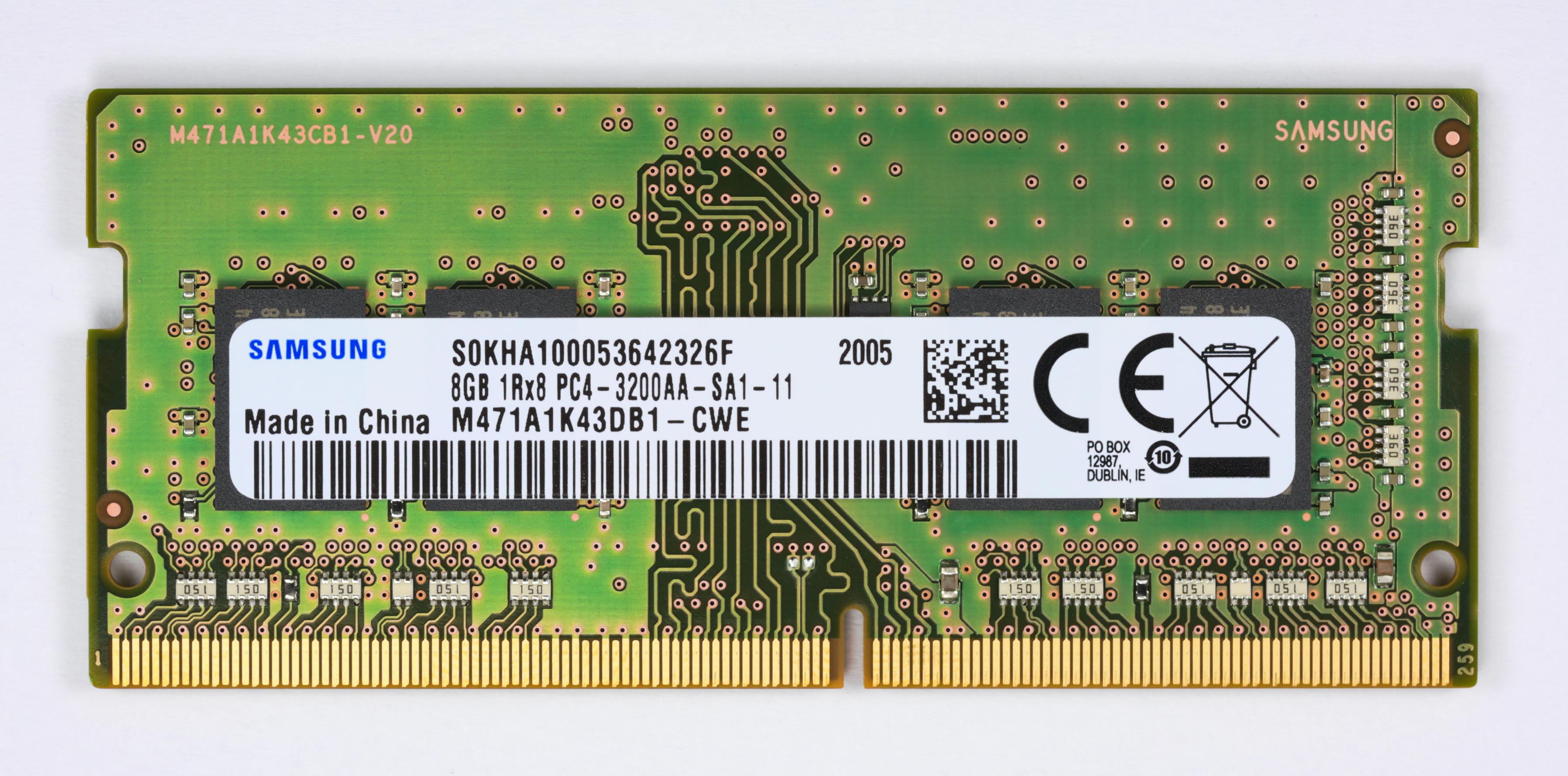
Physical size matters too. The UFS 5.0 package measures just 7.5 mm x 13 mm x 0.9 mm, a 16.7% reduction from earlier versions. This compact form factor opens doors for thinner designs and better internal space utilization in devices where every millimeter counts.
Mass production is set to begin in the fourth quarter of this year, with capacities scaling up to one terabyte (TB). Samsung’s roadmap suggests this will be a cornerstone for flagship smartphones, AI wearables, and extended reality (XR) platforms—markets where storage speed directly influences user experience.
For developers, this means faster local processing of large language models (LLMs) with minimal latency. For end users, it translates to smoother interactions in on-device AI applications. The question now is whether other manufacturers will follow suit—or if Samsung has set a benchmark that the industry must match.