The arrival of NVIDIA’s new Vera Rubin compute racks marks a turning point in enterprise AI spending. Priced at an estimated $1 million per unit, they represent the most expensive server systems ever deployed for data center use. This isn’t just about raw performance; it’s a reflection of how AI companies are prioritizing scalability and efficiency under mounting operational pressures.
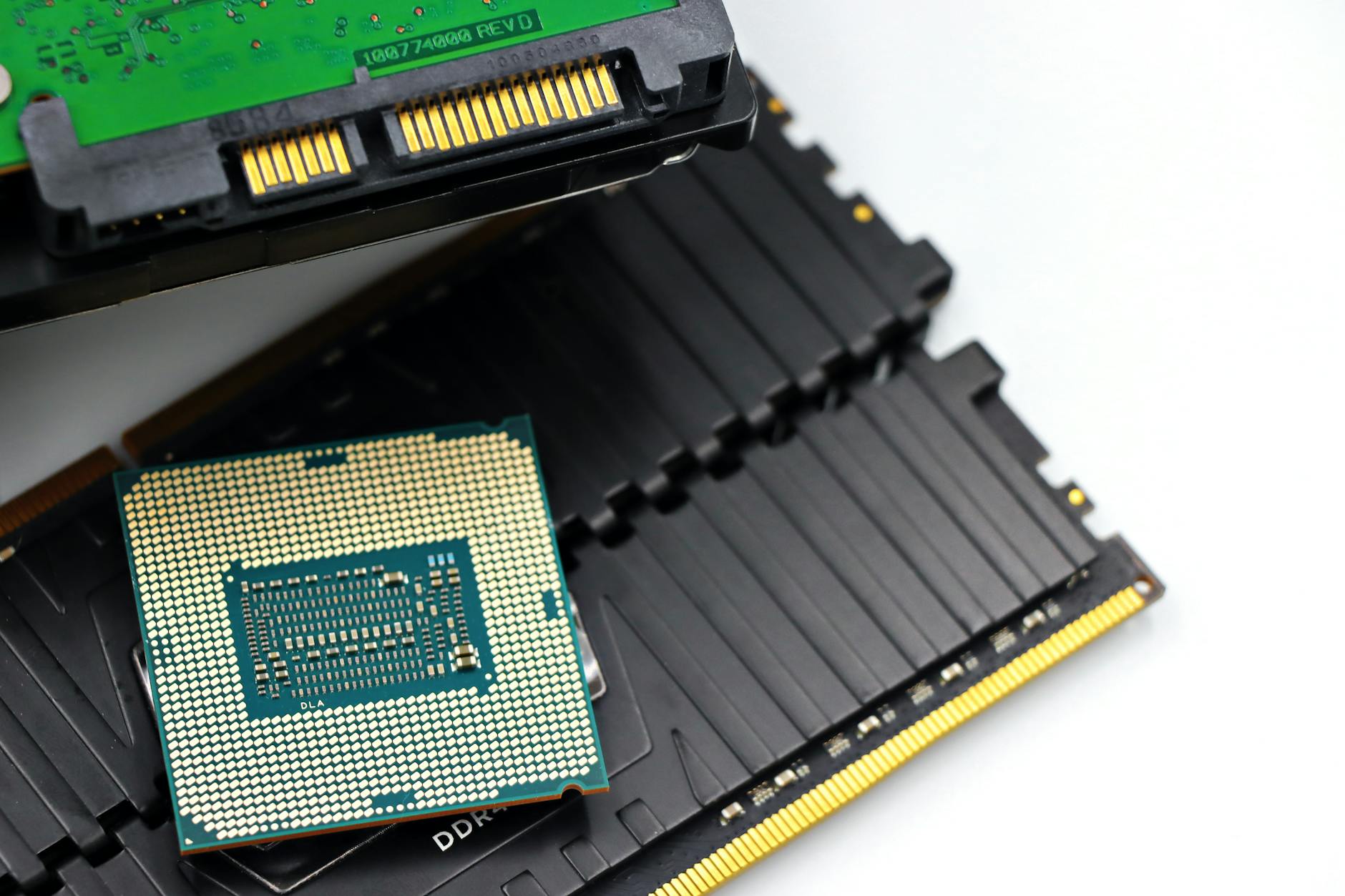
These racks, built around NVIDIA’s latest GPUs, are designed to handle workloads that push the boundaries of current AI training and inference capabilities. With up to 256 GB of HBM3 memory per GPU, they address a critical bottleneck: memory bandwidth. This is particularly relevant for tasks like large language model training, where memory constraints can become a limiting factor in performance.
The cost implications are significant. A single Vera Rubin rack can support up to eight A100 GPUs or next-generation H100 GPUs, depending on configuration. For companies running at scale, this means capital expenditures that dwarf traditional server deployments. Yet, the industry shows no signs of slowing down.

Why are AI giants willing to absorb these costs? The answer lies in the operational dynamics of modern AI systems. Traditional infrastructure, optimized for web-scale workloads, often falls short when confronted with the memory-intensive demands of deep learning. High-bandwidth memory (HBM) has become a non-negotiable requirement, and NVIDIA’s new racks deliver it in spades.
There are still unanswered questions, however. While NVIDIA has outlined the hardware specifications, details about software integration—particularly how these racks will interact with existing AI frameworks—remain under wraps. This could influence adoption rates, as seamless integration is crucial for companies already invested in legacy systems.
The Vera Rubin series underscores a broader trend: AI infrastructure is evolving beyond mere compute power. Memory capacity, network topology, and software compatibility are now equally critical factors. For companies that can afford it, the message is clear—cost is no longer the primary constraint; it’s about staying ahead of the curve.