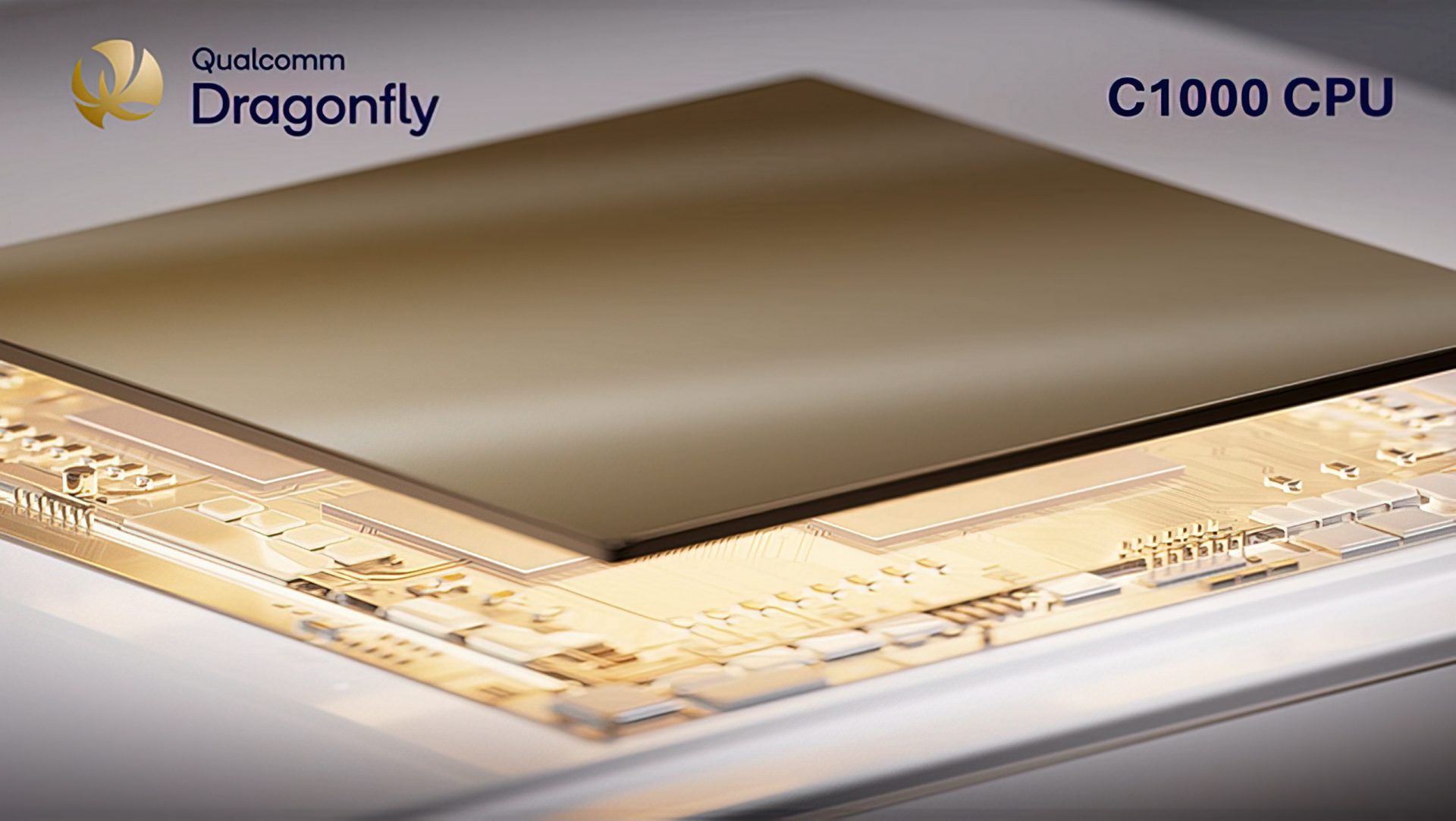
Robotics is at an inflection point. The promise of autonomous systems—from warehouse robots to surgical assistants—has long been tempered by the reality of safety constraints. Enter Halos for Robotics: a full-stack solution that aims to redefine how developers approach physical AI. Unlike traditional systems, which often require piecemeal integration, Halos combines hardware and software into a cohesive framework, promising to streamline development while tightening security protocols.
At its core, Halos is built around a dual-processor architecture: one for high-performance compute and another dedicated to safety monitoring. This separation ensures that critical safety functions—such as collision detection and fail-safe mechanisms—operate independently of the main AI workload. The system leverages NVIDIA’s Isaac platform, which already powers some of the most advanced robotic applications today. Key components include a dedicated safety processor (running at 1 GHz), 8 GB of DDR5 memory for real-time processing, and up to 64 GB of storage for logs and firmware updates.
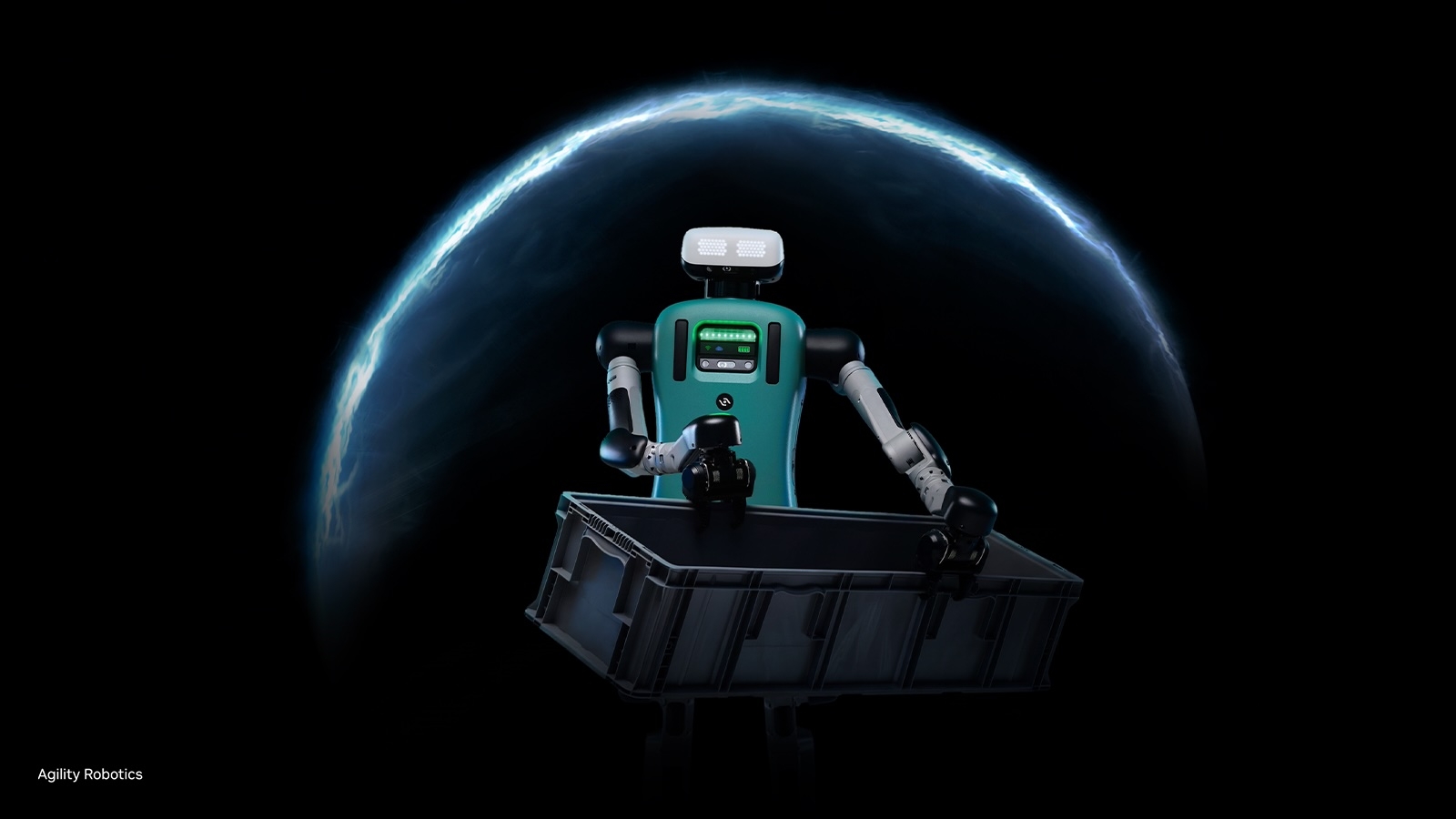
What sets Halos apart is its emphasis on scalability. Developers can start with a baseline configuration and expand capabilities as needed, whether for edge deployment or cloud-connected systems. The system supports multiple safety protocols, including ISO 13849 (for functional safety) and IEC 62061 (for machinery), which are critical for industries like manufacturing and healthcare. However, the full extent of its real-world performance remains untested—only time will tell how it fares against existing solutions in demanding environments.
For IT teams and robotics developers, Halos represents a significant shift. No longer will safety be an afterthought; it becomes part of the architecture from the ground up. This could accelerate adoption in industries where risk mitigation is non-negotiable, such as logistics or medical robotics. Yet, the true measure of its impact lies in how easily it integrates into existing workflows and whether it can deliver on its promise without introducing new complexities.
The system is expected to be available later this year, with pricing to be announced closer to launch. For now, the focus remains on proving that safety and performance need not be mutually exclusive—an idea that could reshape the future of physical AI.