Autonomous AI agents are increasingly becoming the backbone of enterprise workflows, handling tasks from data processing to code generation. However, their growing capabilities also expand the attack surface for misuse or unintended behavior. NVIDIA’s OpenShell addresses this by integrating security constraints into the agent’s architecture from the start, rather than relying on post-deployment safeguards. This approach could redefine how organizations balance security and autonomy in AI deployment.
The framework introduces three key innovations: isolated execution environments that prevent unauthorized system access, fine-grained permission controls to restrict agent actions, and a comprehensive audit trail for every operation performed. Unlike traditional sandboxing, which often treats security as an afterthought, OpenShell embeds these features at the application layer, ensuring that agents remain both secure and functional in enterprise settings.
For system administrators and developers, this shift introduces new considerations. While OpenShell simplifies deployment by reducing the need for external security layers, it also requires careful policy configuration to maintain performance. Benchmarks indicate minimal overhead compared to NVIDIA’s NeMo framework, but real-world adoption will depend on whether enterprises are willing to adapt their workflows to fit these constraints.
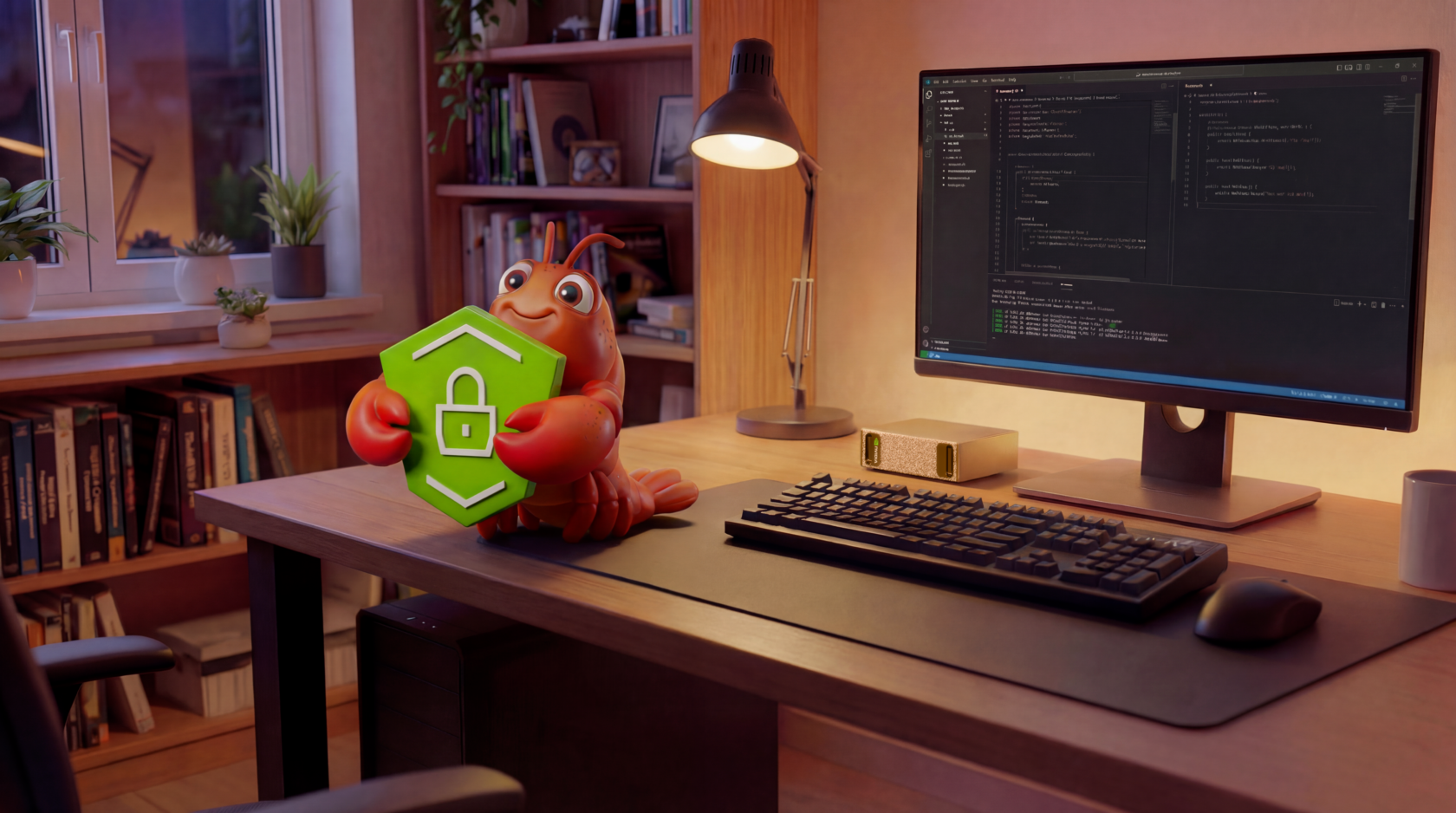
One of the most significant advantages is its potential to mitigate risks in sensitive environments such as finance or healthcare, where AI agents interact with critical systems. However, the learning curve for small teams or hobbyists may be steep, making it a more immediate priority for larger organizations with dedicated IT infrastructure. If widely adopted, OpenShell could set a new standard for engineering agentic AI with security built in, rather than added on.
The framework’s long-term impact remains uncertain, but its approach signals a broader trend toward integrating security into the core design of autonomous systems. Whether this proves to be a viable alternative to existing solutions like NeMo or third-party options will depend on how effectively it addresses the trade-offs between security and utility—a challenge that has long plagued agentic AI development.
For now, OpenShell represents a significant step forward in rethinking how autonomous agents operate within secure environments. Its success will hinge on whether enterprises can navigate its complexity while realizing its potential to streamline deployment without compromising safety or performance.