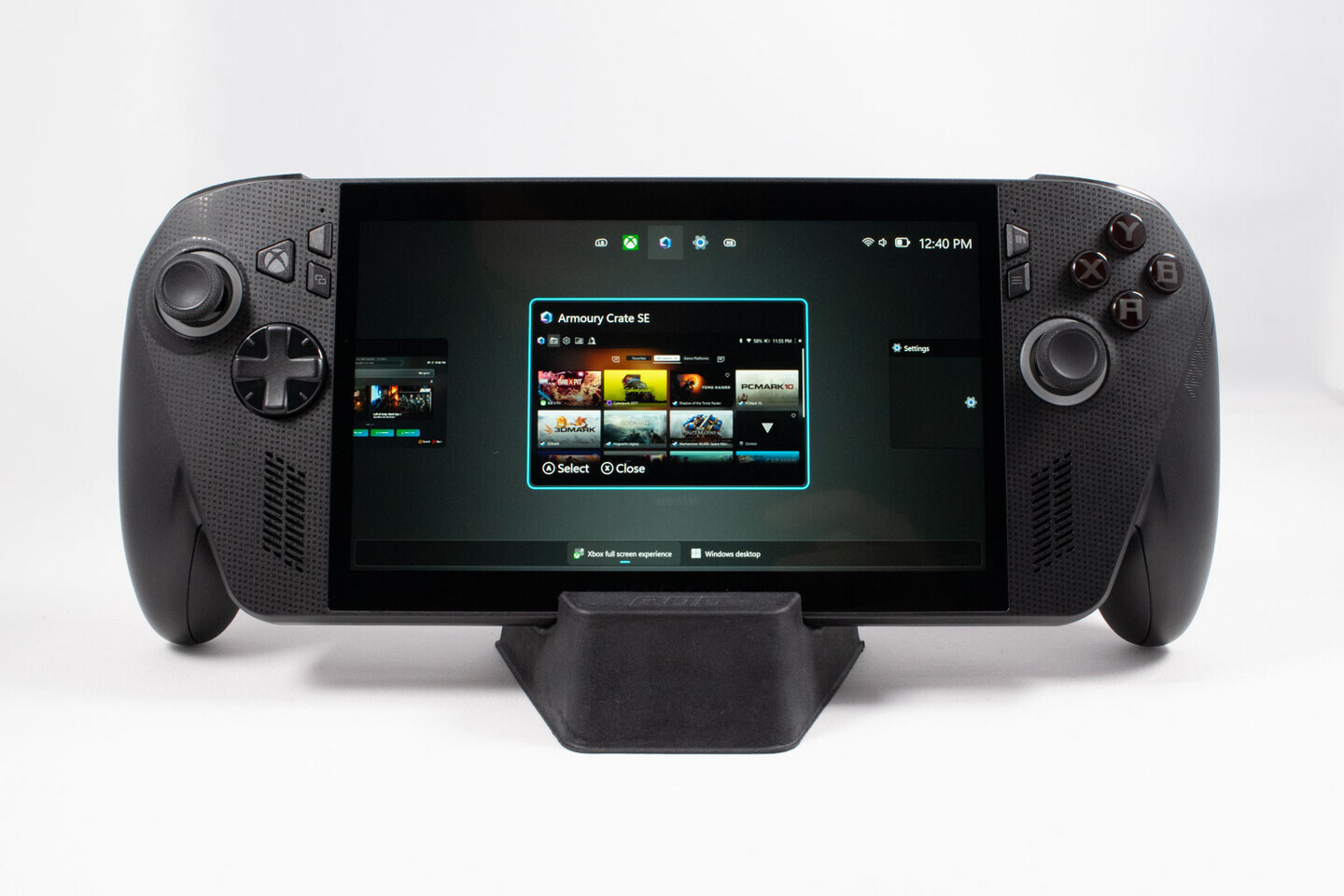
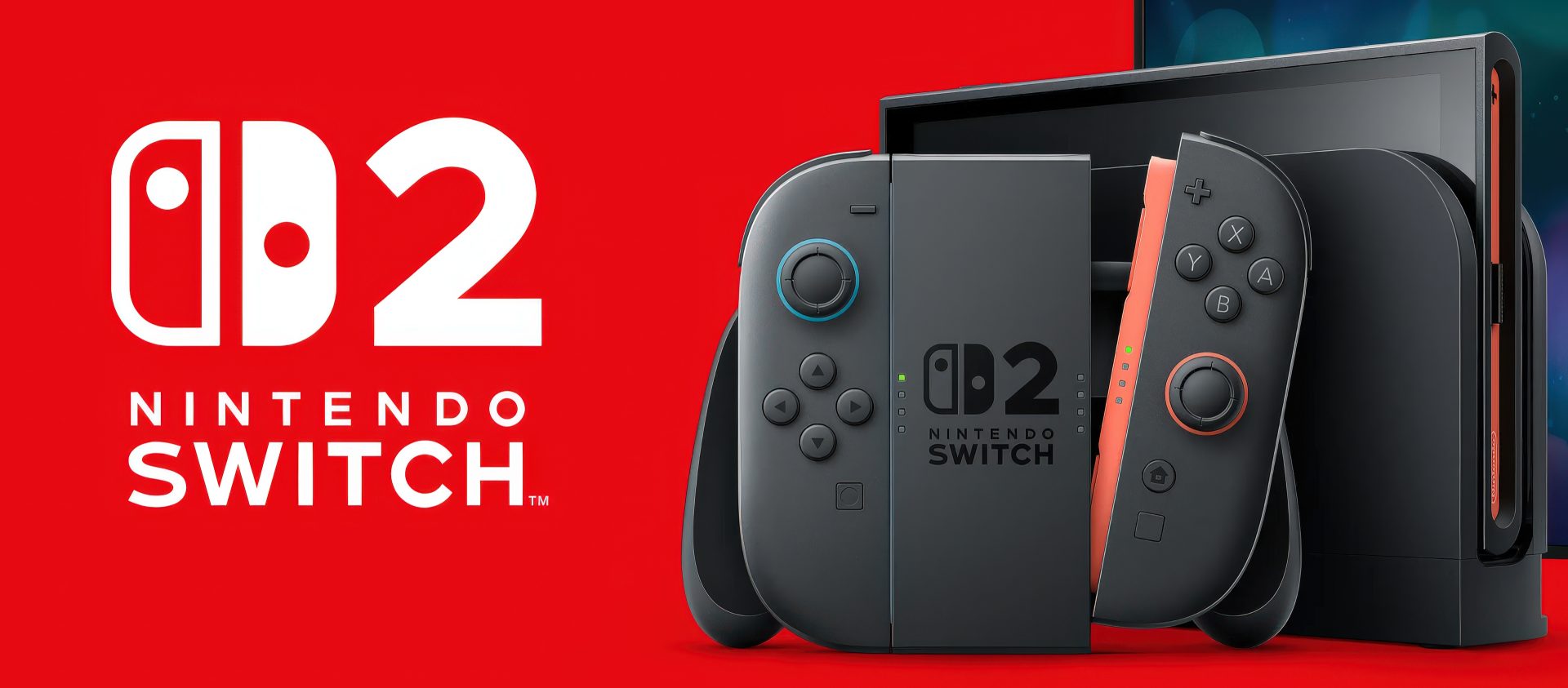
The Nintendo Switch 2 is reportedly trading raw performance for real-world usability, with its new handheld mode consuming significantly more battery than previous hardware. While benchmarks suggest a substantial leap in processing power, users may find themselves tethered to an outlet sooner than expected.
This shift highlights the complex tradeoffs modern gaming platforms face when pushing thermal and power efficiency boundaries. The Switch 2's design appears to prioritize raw output over sustained runtime—a choice that could reshape how players approach portable gaming sessions.
Performance at a price
The console's new handheld mode reportedly runs with a 25% reduction in battery life compared to the original Switch. This isn't just a minor inconvenience; it signals deeper architectural changes, including higher clock speeds and more aggressive thermal management under load.
- Peak performance: Up to 1.6 GHz clock speeds (vs. previous generation's 1.053 GHz).
- Memory expansion: 40 GB LPDDR5 (from 4 GB LPDDR4 on the original Switch).
- Storage options: 64 GB or 128 GB internal eMMC, with microSD support.
The jump in memory and clock speeds suggests Nintendo is targeting more demanding workloads—likely aiming to handle next-gen titles without relying solely on cloud streaming. But those gains come with a thermal cost; the system appears to throttle less aggressively than competitors, pushing harder on the battery while maintaining performance.
A roadmap shaped by heat and power
This isn't an isolated issue. The Switch 2's roadmap seems to reflect broader trends in portable hardware: more transistors, faster clocks, but tighter thermal envelopes. Nintendo may need to rethink how it balances sustained performance with battery life—possibly through software optimizations or future hardware revisions.
For developers and players alike, the takeaway is clear: the Switch 2's handheld mode is built for bursts of power rather than marathon sessions. Whether that tradeoff proves sustainable—or if Nintendo will course-correct in later iterations—remains to be seen.