Power users eyeing next-generation AI infrastructure now have a clearer path to expect upgrades, thanks to a new strategic alignment between Micron and Anthropic.
The partnership couples technical collaboration on memory and storage architecture with a long-term supply agreement, ensuring that the demands of frontier AI models—like Anthropic’s Claude—directly shape how these systems are built. This is not just about faster GPUs; it’s about optimizing every layer of the stack for efficiency, power consumption, and cost.
What’s Confirmed
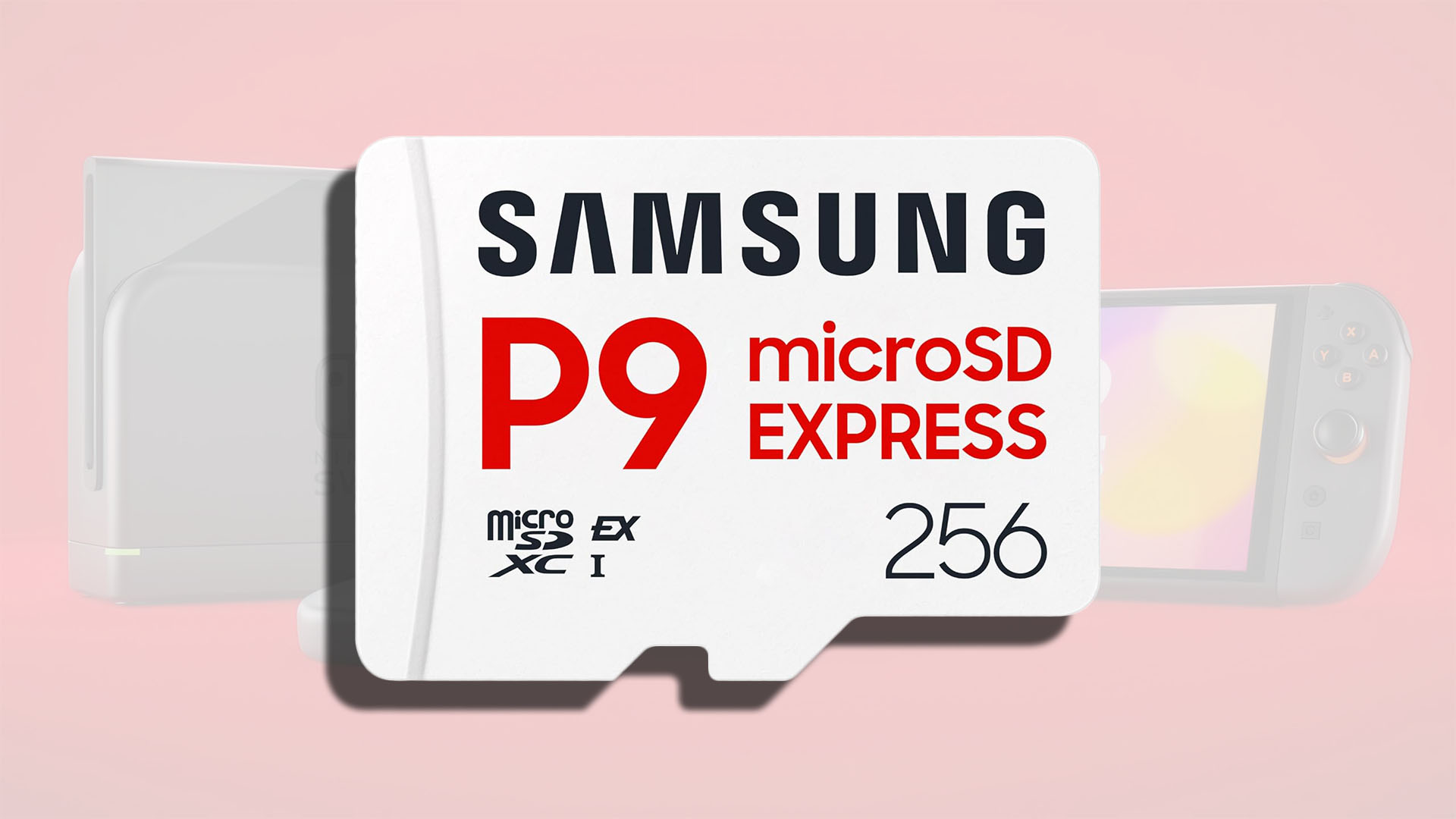
Micron will supply high-bandwidth memory (HBM), DRAM, and SSDs tailored to Anthropic’s workloads, while also analyzing how these components interact across full AI infrastructure. The collaboration extends to token economics—how efficiently Claude processes data—and energy efficiency gains that could lower operational costs for large-scale deployments.
Supply and Pricing Implications
For users, the immediate impact will be stability in supply chains, which have been tight since 2025. Micron’s investment in Anthropic’s Series H round signals a commitment to scaling this infrastructure over multiple years, reducing volatility in pricing that has affected GPUs like the RTX 5070 and RTX 5090. However, exact timing for consumer-grade upgrades remains uncertain, as the focus is on enterprise and data-center workloads.
Anthropic’s compute strategy hinges on memory and storage optimization, meaning future generations of AI models will demand even more precise tuning of these components. Micron’s role in this process ensures that supply meets demand without the sudden shortages seen with previous GPU releases—like the RTX 5060 Ti 16 GB model.
A Reality Check
While the partnership promises long-term stability, it does not yet address how these advancements will trickle down to consumer hardware. Power users should expect continued demand for high-capacity GPUs—particularly those with 32 GB of RAM—but exact pricing and availability for models like the RTX 5090 will depend on broader market trends.
Where Things Stand Now
The collaboration is still in its early stages, but it sets a precedent for how memory and storage will be co-designed with AI workloads. For now, users planning upgrades should monitor developments in enterprise-grade solutions before assuming similar optimizations will appear in consumer products.