Electronic Arts is doubling down on its use of generative AI across game development pipelines, with company leadership asserting that the technology removes friction from creative processes while shortening development timelines. The stance comes at a time when industry-wide surveys suggest AI tools may negatively impact game quality and sales performance.
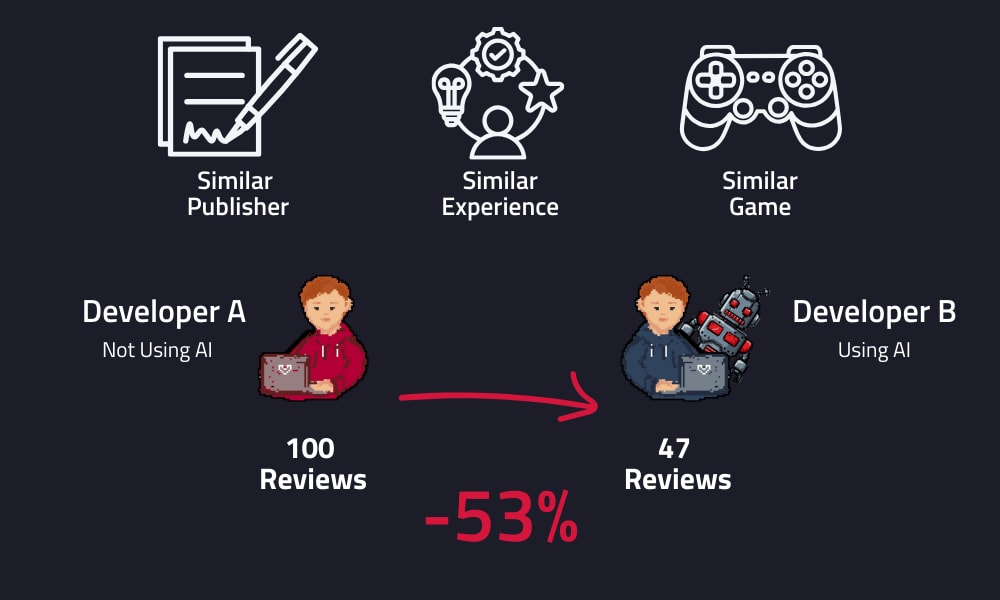
The gaming giant has integrated AI into coding, concept art, and managerial workflows, aiming to improve efficiency. However, recent analysis indicates that games using generative AI tend to sell up to 53% fewer units compared to those without such tools, raising questions about the long-term viability of this approach.
Key Specs: EA's AI Development Strategy
- AI Integration: Generative AI used in coding, concept art, and managerial tasks
- Claimed Benefits: Faster prototyping, reduced creative friction, shorter development cycles
- Market Impact: Games using generative AI report 53% lower unit sales (per Steam analysis)
The company's president of enterprise development has described AI as a way to 'remove tedium' from developers' work, though internal feedback suggests otherwise. While EA positions itself at the forefront of AI-driven game creation, the broader industry remains divided on its effectiveness and ethical implications.
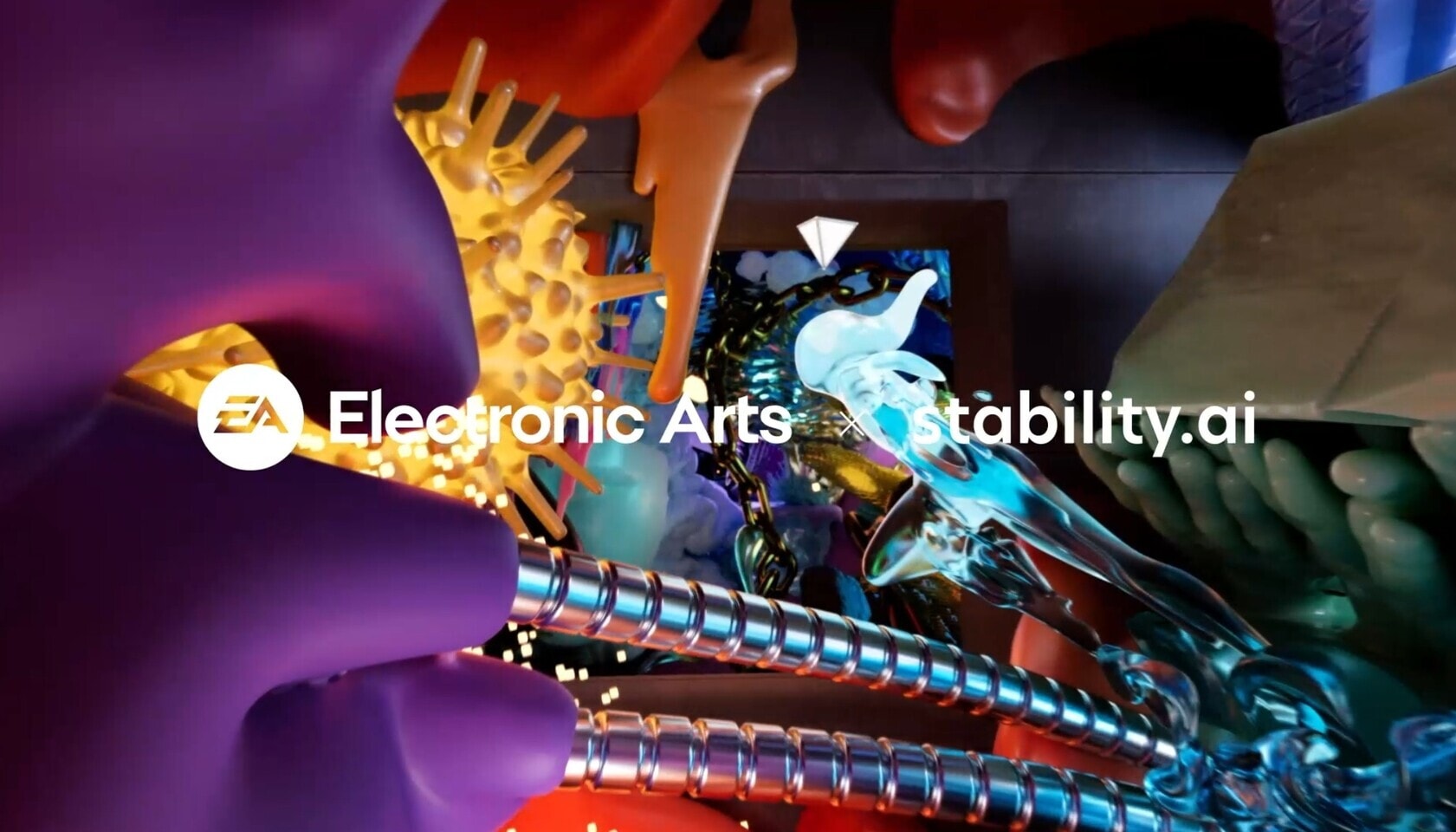
Industry Divide Over Generative AI
- Proponents: Faster iteration, reduced manual labor in asset creation
- Opponents: Concerns over creative stagnation, quality degradation, and player reception
Despite EA's optimistic outlook, the use of generative AI in game development remains a contentious topic. While some studios see potential in accelerated workflows, others warn that reliance on AI could lead to homogenized content and diminished innovation—a risk that may already be reflected in market performance.