Memory prices are entering uncharted territory, with some quarters already seeing increases nearing 50%. This isn’t a temporary blip—it’s a sustained upward trajectory that will define the cost landscape for at least the next five years. The implications stretch far beyond price tags, threatening to recalibrate entire industry strategies.
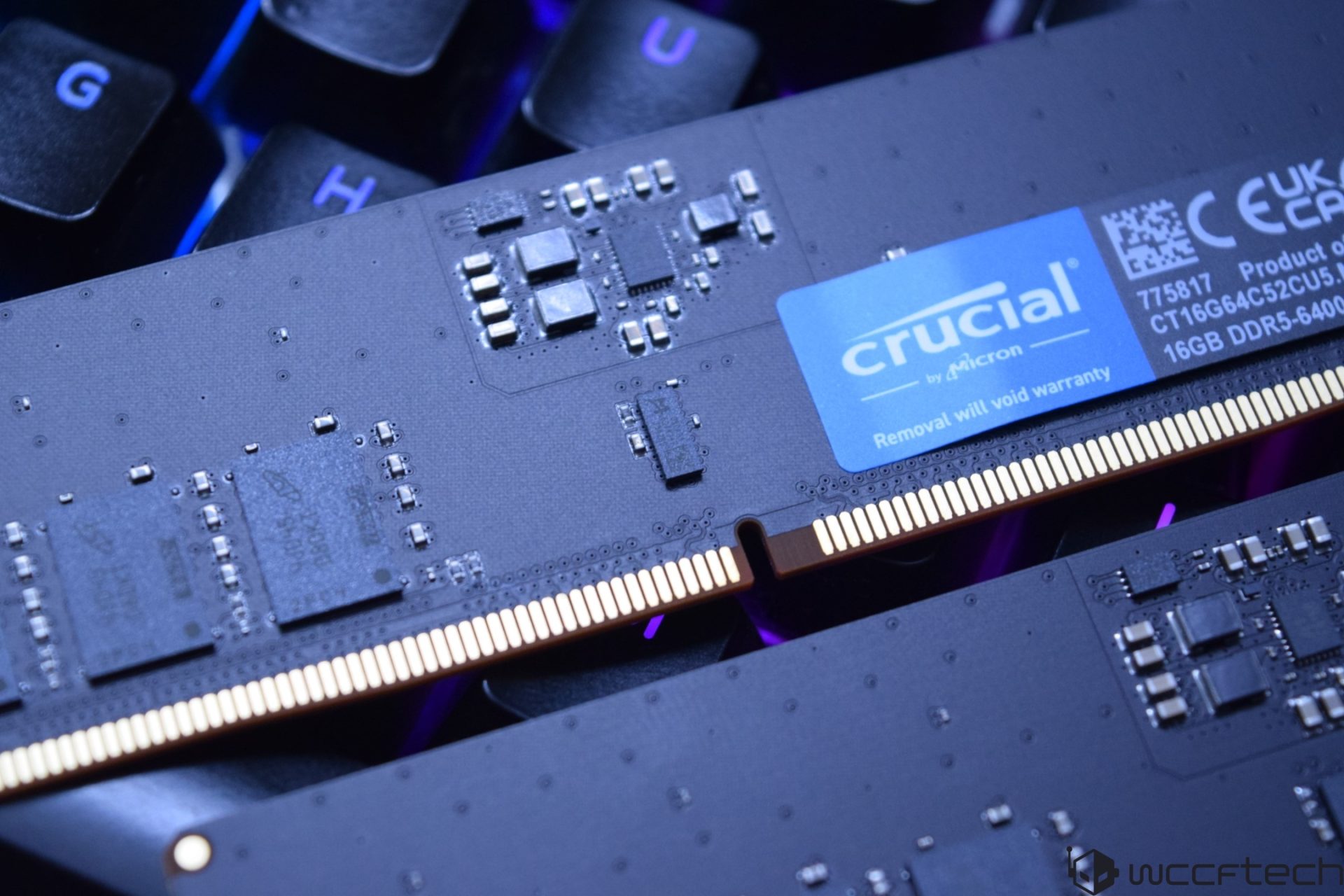
The core issue is a widening disconnect between supply and demand. While data centers and consumer devices continue to gobble up memory, production capacity is struggling to keep pace. The gap isn’t just numerical; it’s structural. DDR5 and HBM modules, already critical for high-performance workloads, are at the epicenter of this shortage. Developers are now facing a dilemma: push for performance while managing costs that could outpace even aggressive budgeting.
- Price surges of up to 50% in some markets, with no relief expected before 2028.
- DDR5 and HBM memory leading the charge in supply constraints, impacting data centers and enterprise storage most severely.
- A shift toward efficiency as the primary lever for cost control, with software optimization becoming non-negotiable.
The immediate fallout will be felt in project budgets, particularly for large-scale deployments where memory capacity directly translates to operational costs. Efficiency isn’t just a buzzword anymore—it’s a survival tactic. Lower-power designs and optimized software stacks are no longer optional; they’re essential. But the long-term question looms: can the industry adapt fast enough?
For system architects, the challenge is navigating this new reality without sacrificing performance. Next-generation platforms may need to recalibrate expectations if memory prices keep climbing without parallel improvements in production efficiency. The most vulnerable segments—data centers and enterprise storage—will bear the brunt, where cost-per-operation metrics are already under pressure.
Looking ahead, the focus will pivot from short-term price shocks to long-term sustainability. Vertical integration, alternative memory architectures, or even a shift toward more compute-efficient models could emerge as critical strategies. The next few years will determine whether the industry can outmaneuver this cost crisis—or if it becomes another casualty of supply chain volatility.