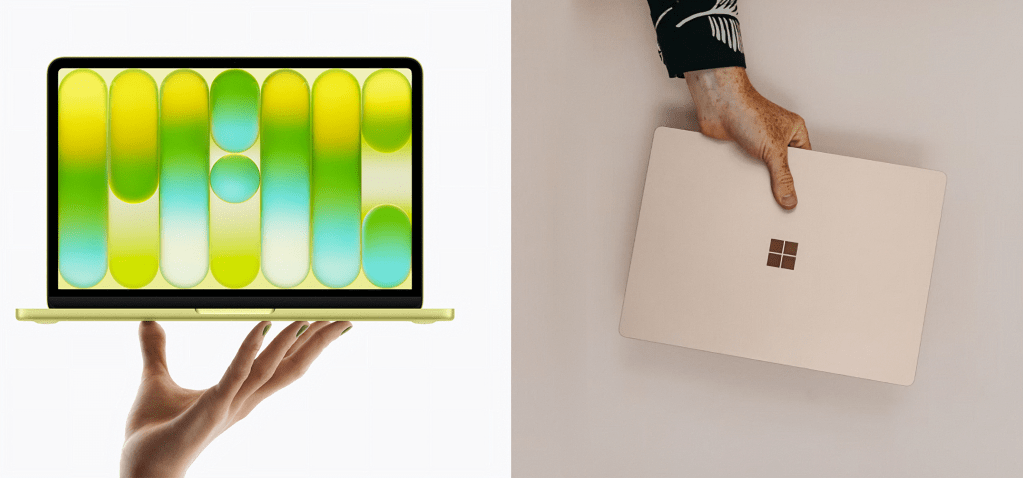
The debate over whether 8GB of RAM is enough for modern laptops often centers on performance under heavy workloads. While many users and reviewers have argued that this amount is inadequate—especially when running multiple demanding applications—the MacBook Neo appears to defy those expectations in a real-world stress test.
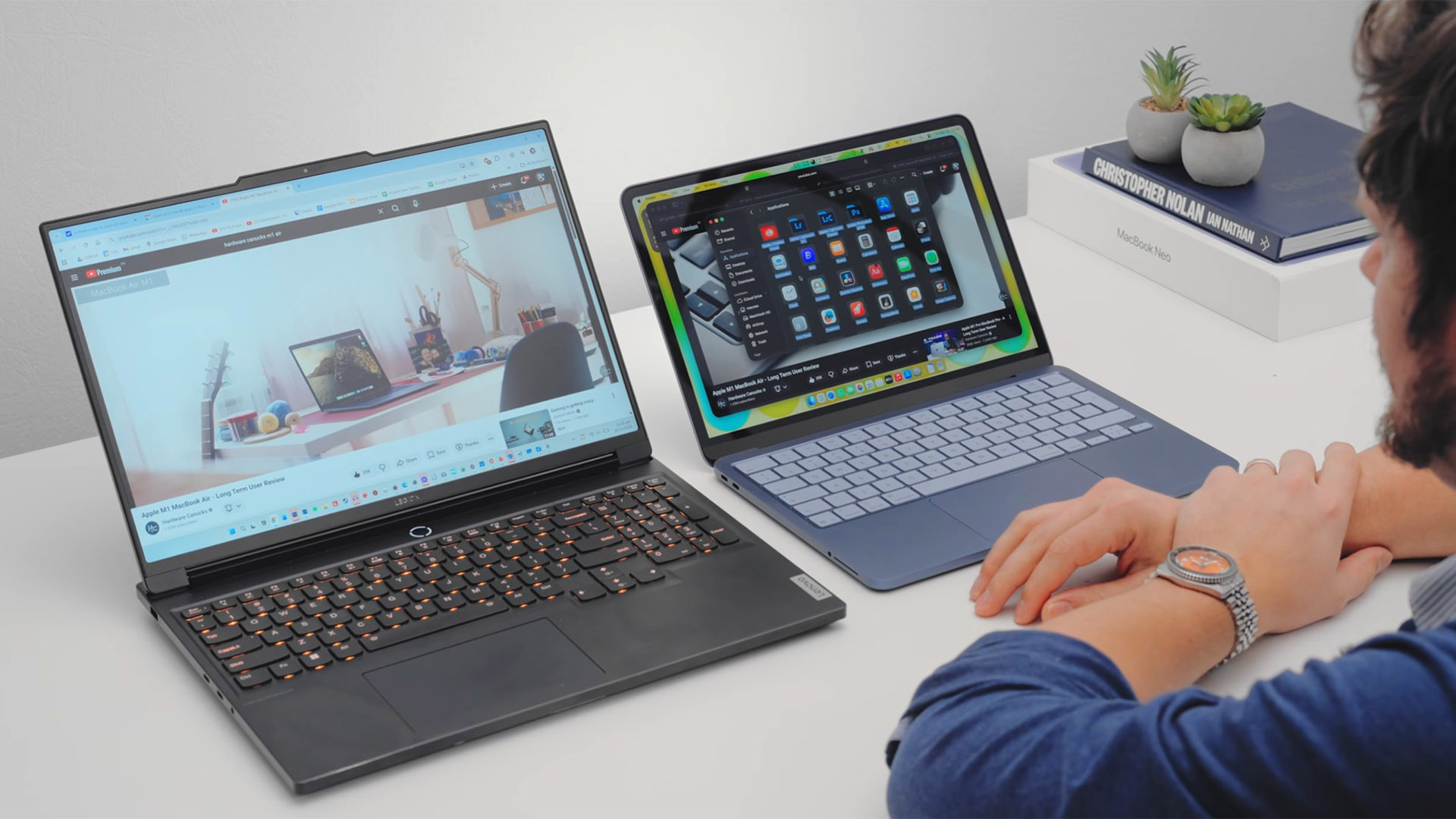
Instead of focusing solely on raw benchmarks, the latest test pushes the laptop to its limits by opening 60 different applications at once. On the MacBook Neo, this results in smooth operation with no signs of thermal throttling or system instability. In contrast, a similarly configured Windows laptop struggles under the same load, often leading to overheating and performance degradation.
Key Observations
- The MacBook Neo maintains stability across all 60 applications without noticeable slowdowns.
- Thermal performance remains consistent, avoiding the throttling seen in many Windows counterparts.
- Battery life is sustained even under extreme multi-app workloads, though this is not typical for such demanding scenarios.
What This Means for Users
For developers and power users who rely on multiple applications—such as coding environments, design tools, or virtual machines—the MacBook Neo’s performance suggests that 8GB RAM may be sufficient for certain workflows. However, the test does not address long-term memory management or more complex tasks requiring larger datasets.
That’s the upside—here’s the catch: while the MacBook Neo excels in this specific scenario, real-world productivity often depends on factors beyond raw multi-app stability. Tasks involving large memory footprints, such as video editing or data analysis, may still benefit from more RAM. Additionally, the test does not account for background processes or future software demands, which could push even optimized systems to their limits.
For now, the MacBook Neo’s performance in this stress test provides a counterpoint to the common narrative that 8GB is insufficient. Whether this translates to everyday usability remains to be seen, but it does open a conversation about how RAM requirements are measured and what benchmarks truly reflect real-world needs.