The M5 MacBook Air is no longer the budget option it once was, yet it remains the most capable thin-and-light laptop under $1,400. That duality—high performance at a mid-tier price—has become its defining characteristic.
Apple’s latest iteration of the 13-inch Air skips the M2 and jumps straight to the M5 chip, which delivers up to 3.5x faster CPU performance than the previous generation while maintaining thermal efficiency that keeps fanless operation viable in everyday use. The base model now starts at $1,099, a price point that was previously occupied by the older M1-based configuration.
Storage tiers are unchanged: 256 GB, 512 GB, and 1 TB of unified memory. The 256 GB variant is still the only one eligible for the current $150 discount on Amazon, though that offer is expected to expire within days. Buyers should weigh whether the extra cost for more storage delivers proportional value, especially if they rely heavily on local data.
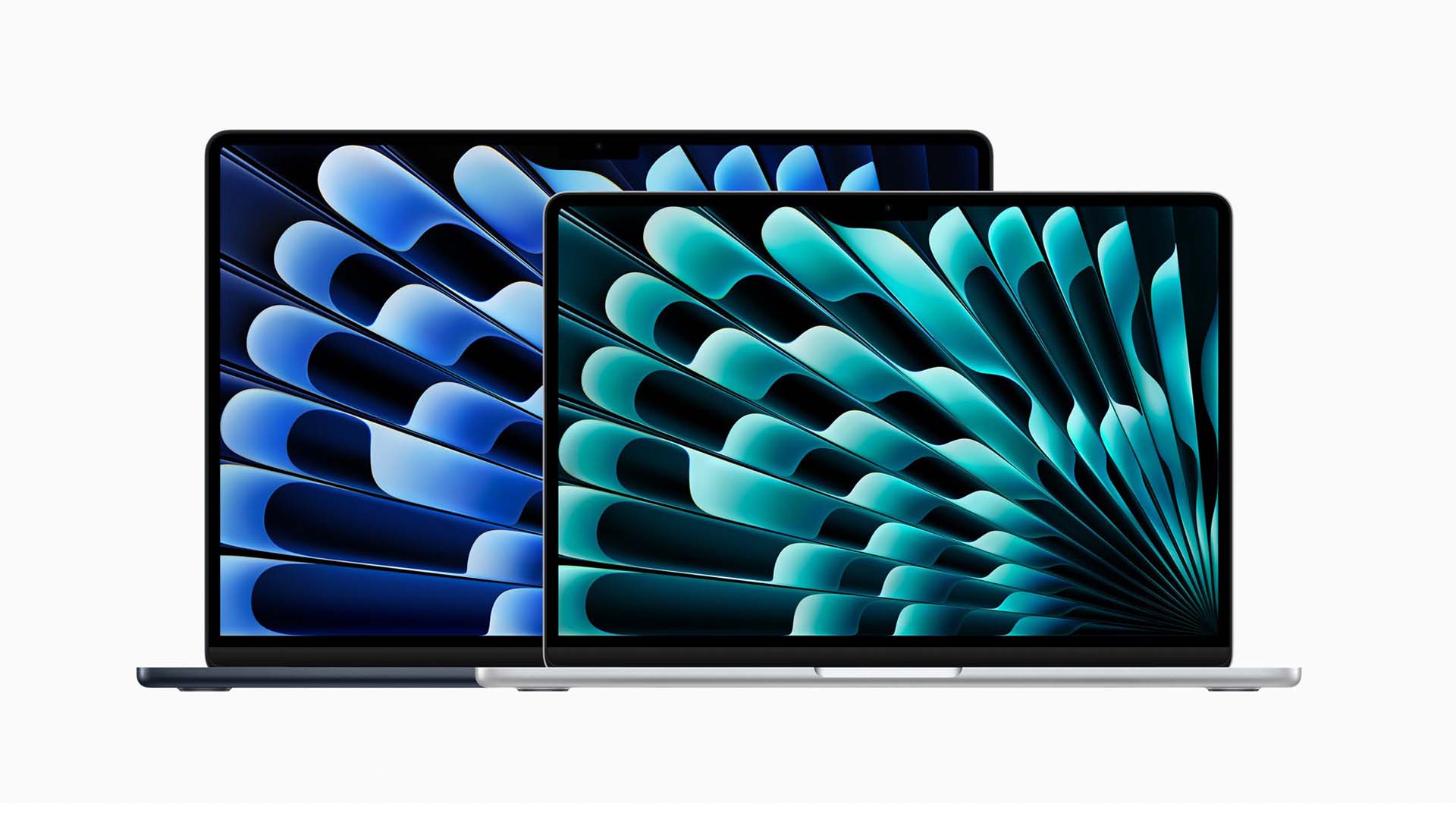
What stands out is not just the raw performance, but how Apple has balanced it with battery life and portability. Independent benchmarks show the M5 Air sustaining 15 hours of web browsing or 20 hours of video playback on a single charge, figures that push the boundaries of what was previously possible in this form factor.
However, the lack of USB-C Thunderbolt ports remains a practical limitation for users who need high-speed data transfer or external GPU support. The two USB-C ports function as DisplayPort and USB 3.1, which suffices for most tasks but excludes eGPU compatibility—a gap that could become more noticeable as workloads grow.
Looking ahead, the M5 Air’s pricing may force Apple to reconsider its cost structure if competitors match or undercut its performance-per-dollar proposition. For now, it remains a compelling choice for students and professionals who prioritize portability over expandability, but whether that balance holds as chip prices stabilize is an open question.