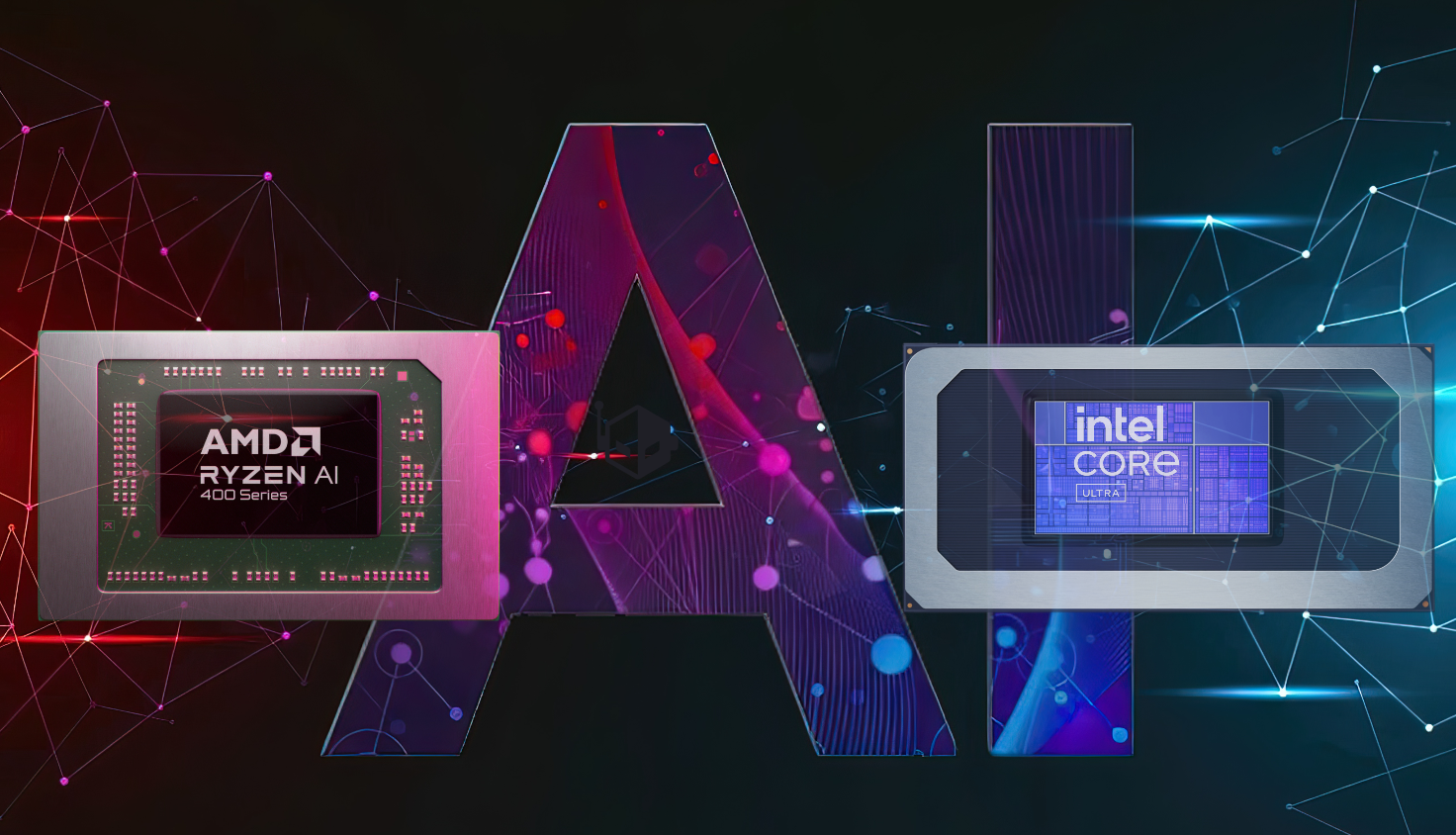
TSMC’s latest strategic moves signal a shift away from aggressive timelines toward a more measured, precision-driven approach to semiconductor manufacturing. The foundry giant is treating Intel not as a disruptor but as a peer in the industry, focusing on sustaining its leadership rather than racing to match competitors’ speed.
The emphasis on extreme ultraviolet (EUV) lithography and memory technology underscores TSMC’s commitment to deepening its technical edge. However, this focus comes with implicit acknowledgments: rapid adoption of these advancements won’t be guaranteed, and cost parity between nodes remains an open question. The company is betting that stability in execution will outweigh the risks of cutting corners.

Key Points
- TSMC treats Intel as a peer rather than a threat, signaling a shift in competitive dynamics within the foundry industry.
- The company’s long-term investments in EUV and memory tech prioritize stability over rapid scaling, with no assurances on cost parity or immediate adoption.
Why It Matters
This strategy reflects a broader trend in semiconductor manufacturing: the era of breakneck progress is giving way to one where precision, reliability, and long-term investments take precedence. TSMC’s approach suggests that the industry may need to accept slower but more sustainable advancements, particularly as EUV lithography becomes more integral to advanced process nodes.
Takeaway
For chipmakers and foundries alike, this signals a need to reassess timelines and expectations. The focus should shift from chasing the fastest possible improvements to building a foundation for sustainable innovation—one that doesn’t compromise on stability or long-term viability.