The Call of Duty movie, slated for release in 2028, is poised to redefine how audiences experience war on screen. Unlike previous attempts at gaming-to-film adaptations, this project aims not just to translate a popular game into cinema but to create a narrative that feels both immersive and distinct from its source material.
Call of Duty, known for its realistic military simulations and intense multiplayer experiences, has long been a staple in the gaming world. The franchise's success lies in its ability to blend tactical gameplay with a strong narrative, often focusing on modern warfare scenarios. A film adaptation would need to capture this balance, offering viewers both the emotional depth of a character-driven story and the visceral experience of high-stakes action.
What sets this project apart is its ambition to blur the line between game and film. Activision and Paramount are aiming for a level of authenticity that goes beyond typical war movie tropes. This includes not just realistic depictions of combat but also an exploration of the psychological and emotional toll of warfare, something that resonates with both gamers and general audiences.
One of the key challenges will be ensuring that the film feels fresh while staying true to the spirit of Call of Duty. The franchise has evolved significantly over its 20-year history, incorporating elements like zombies in Call of Duty: Black Ops and futuristic warfare in Call of Duty: Infinite Warfare. However, the core appeal remains its grounded approach to military conflict.
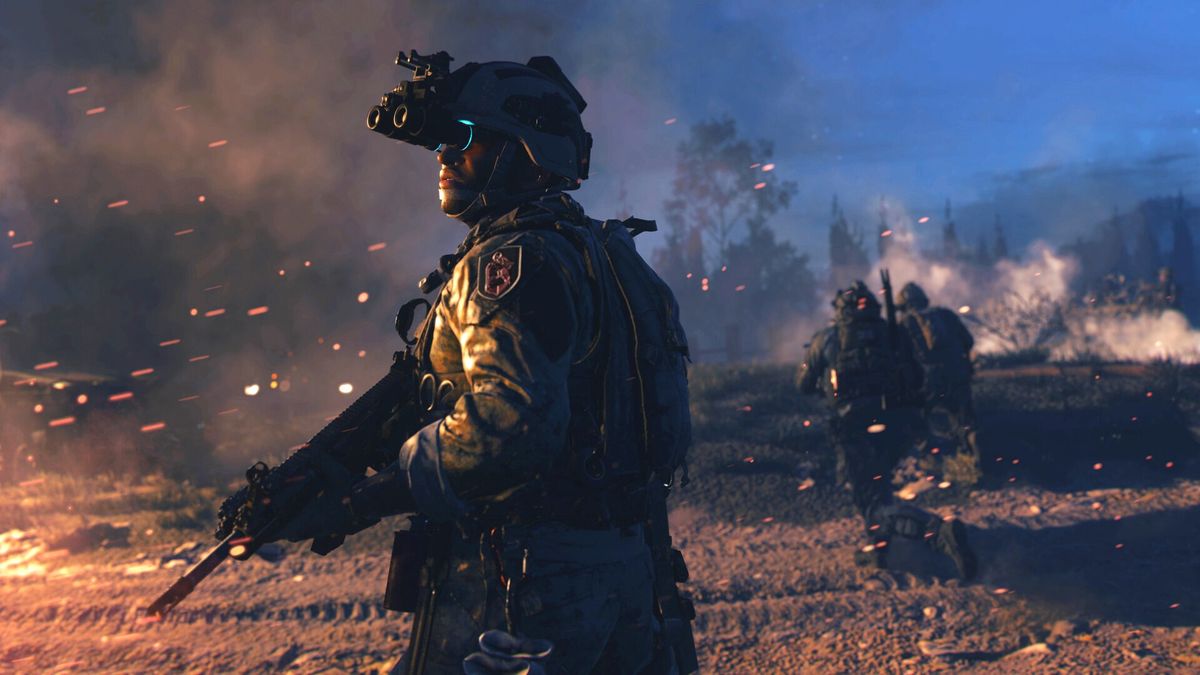
The project is also expected to leverage advancements in visual effects and motion capture technology. These tools could allow filmmakers to create scenes that feel more dynamic and interactive, mirroring the gameplay experience without directly translating it to the screen. This could set a new standard for how action films are crafted, potentially influencing future adaptations of other gaming franchises.
Why this matters is twofold. First, a successful Call of Duty movie could redefine the expectations for video game adaptations, proving that they can be more than just fan service. Second, it could push the boundaries of what is considered possible in terms of visual storytelling, setting a new benchmark for both gaming and cinema.
As the project moves forward, industry watchers will be closely monitoring how well Activision and Paramount balance spectacle with substance. The goal is clear: to create a film that feels like an extension of the game while standing on its own as a compelling narrative experience. If they succeed, it could mark a turning point in how audiences engage with both games and movies.
In the end, the Call of Duty movie has the potential to be more than just another entry in a long list of war films. It could redefine what it means to bring a gaming franchise to life on screen, offering viewers an experience that is as emotionally resonant as it is visually stunning.