Intel’s latest CPU architecture, codenamed Nova Lake, is poised to redefine productivity workloads with a significant leap in performance while addressing long-standing concerns about power consumption and thermal output. Unlike previous generations that prioritized raw speed at the cost of heat, Nova Lake introduces a balanced approach—15% faster than its predecessors but with tighter control over efficiency, making it a compelling option for IT teams managing high-demand environments.
Nova Lake’s core innovation lies in its ability to sustain performance without proportional increases in power draw. This shift is evident in the chip’s design, which integrates enhanced thermal management directly into the silicon. For IT administrators, this means fewer cooling infrastructure upgrades and more predictable workload scaling—critical factors when deploying CPUs in data centers or high-density server racks.
Efficiency Without Compromise
- Performance: 15% faster than previous generations; optimized for multi-threaded productivity tasks like rendering, simulation, and batch processing.
- Power Efficiency: Up to 30% lower power consumption at peak loads compared to competing architectures, reducing cooling costs and extending hardware lifecycles.
- Thermal Design Power (TDP): 65W for the core chip, with dynamic scaling to handle bursts without throttling—ideal for environments where heat dissipation is a constraint.
- Cache and Memory: 32MB of L3 cache, paired with support for DDR4-3200 memory, ensuring smooth data throughput even in memory-intensive workloads.
- Connectivity: Built-in PCIe 4.0 and support for Intel’s latest chipset integrations, simplifying motherboard compatibility for IT deployments.
The trade-off is minimal: while Nova Lake doesn’t match the raw single-threaded performance of some rivals, its multi-core strength and efficiency make it a standout for workloads where sustained throughput matters more than raw speed. For example, in rendering farms or financial modeling clusters, the reduction in power costs could offset the slight performance gap over time.
Compatibility: A Smaller Leap Than Expected
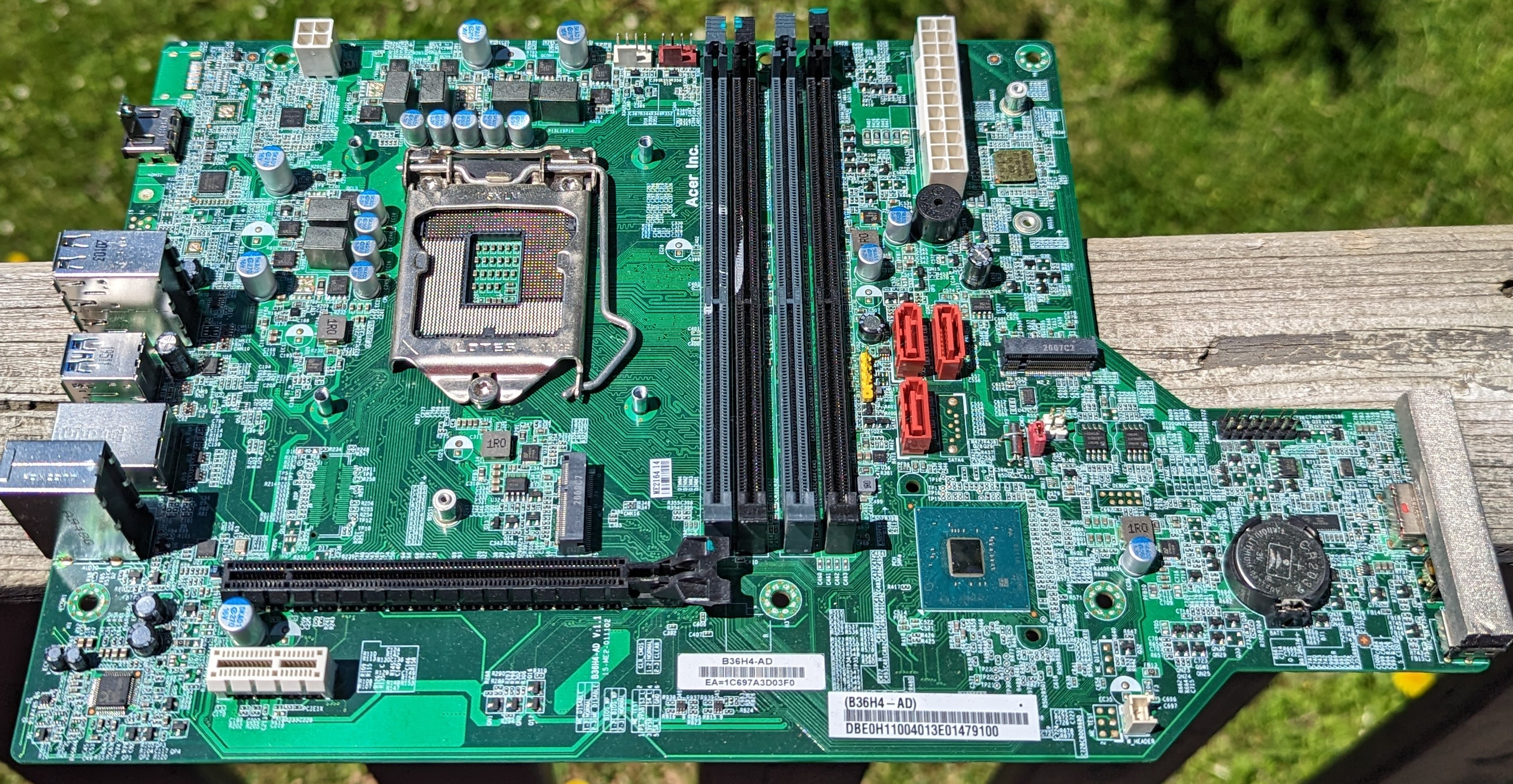
Nova Lake doesn’t introduce a radical socket change, meaning existing motherboard ecosystems can adopt it with minor firmware updates. However, IT teams should verify compatibility with their current cooling setups—some high-density racks may still require adjustments to accommodate the chip’s thermal profile. The lack of a major architectural overhaul also means software optimization will be incremental, relying on existing compiler and driver stacks rather than forcing a full rewrite.
One uncertainty remains: while Intel has historically prioritized enterprise adoption for such architectures, Nova Lake’s focus on productivity suggests it may carve out a niche between traditional server CPUs and high-end desktop parts. Whether this will lead to broader data center penetration or remain largely a workstation upgrade path is still unclear. For now, the balance of performance and efficiency positions it as a strong contender for IT teams looking to modernize without overhauling their infrastructure.
Ultimately, Nova Lake’s most significant change is its proof that productivity gains no longer need to come at the expense of power efficiency. In an era where data centers are under increasing pressure to cut energy costs, this CPU could mark a turning point—one that IT departments will watch closely as they weigh the trade-offs between performance and sustainability.