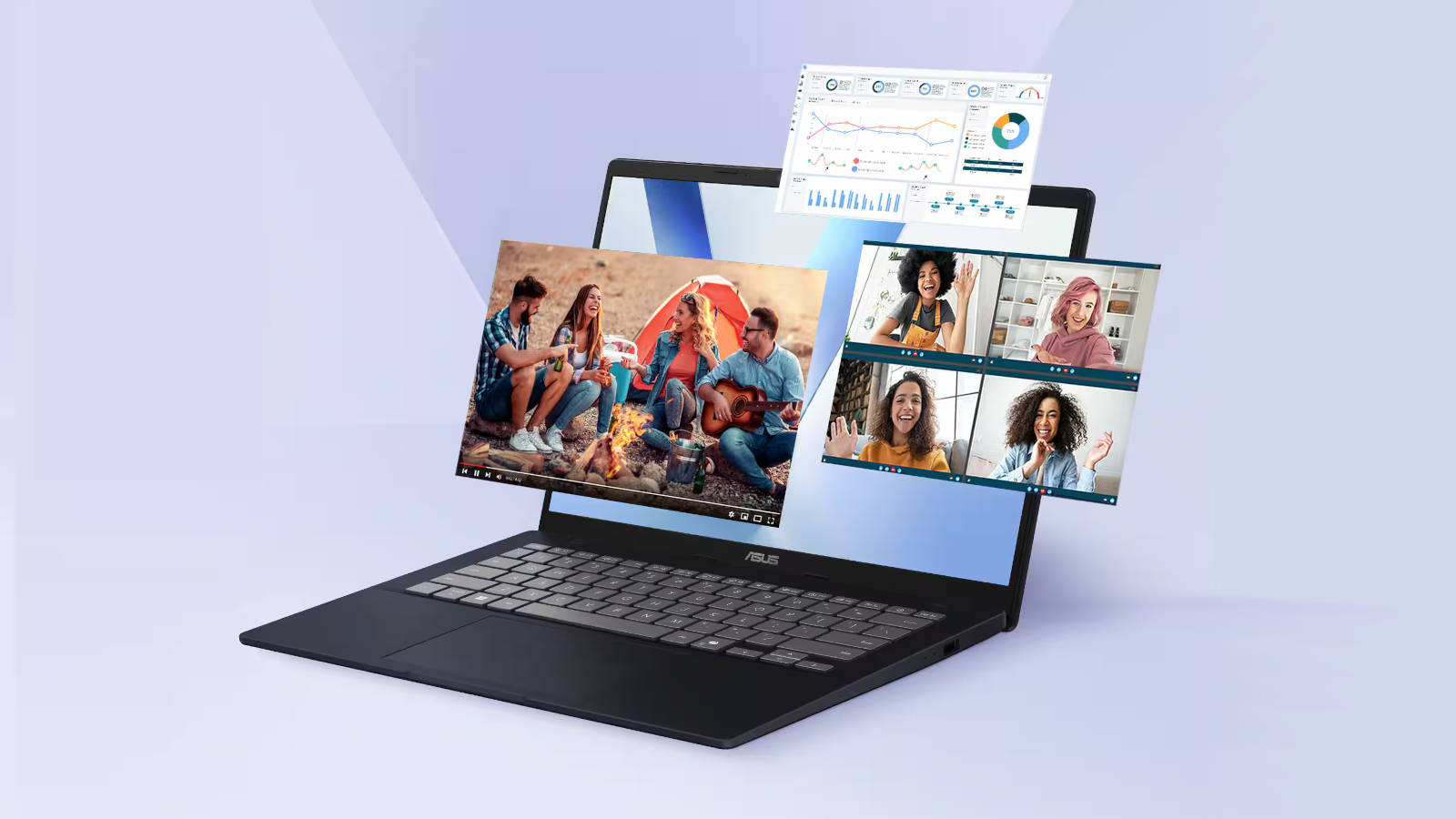
The Asus ZenBook Pro OLED 14 OG (Snapdragon X Elite) marks a turning point in enterprise laptop design, where performance and battery life are no longer mutually exclusive. This device merges the efficiency of ARM architecture with the power demands of professional workloads, offering a 3.8 GHz Snapdragon X Elite processor that rivals mid-range x86 counterparts while maintaining an impressive 27-hour battery run. Its 14-inch OLED display, paired with a 90 Hz refresh rate and 2880x1800 resolution, ensures visual clarity without draining power.
Design: A study in lightweight durability
The laptop’s magnesium alloy chassis is both lightweight at 1.09 kg and robust enough to withstand daily enterprise use. The slim profile doesn’t come at the cost of functionality—Thunderbolt 4, HDMI 2.1, and a microSD reader provide versatile connectivity options for business professionals on the move.
Hardware highlights
- CPU: Snapdragon X Elite (up to 3.8 GHz)
- RAM: 16GB LPDDR5X (2750 MHz bandwidth)
- Storage: 1TB NVMe SSD
- Display: 14-inch OLED, 2880x1800 resolution, 90 Hz refresh rate
- Battery life: Up to 27 hours (real-world usage)
- Weight: 1.09 kg
A strategic leap for enterprise adoption
This model arrives as the Snapdragon laptop ecosystem matures, addressing past criticisms about performance gaps and software compatibility. The combination of 16GB RAM, a 1TB SSD, and sustained battery life makes it a viable alternative to traditional x86 devices for enterprises seeking efficiency without sacrificing power.
While concerns about enterprise application support persist, the hardware itself is a strong contender—especially if priced competitively. At an estimated $430, this device could accelerate adoption among budget-conscious organizations that prioritize sustainability and portability without compromising on performance.
The Asus ZenBook Pro OLED 14 OG (Snapdragon X Elite) doesn’t just meet enterprise expectations; it redefines them. By proving that high-end specs, long battery life, and a lightweight design can coexist, it challenges the dominance of legacy architectures while setting a new standard for what portable professional hardware should deliver.