PC prices are climbing, but not in the way they once did. The days of cheap, low-end systems are fading as manufacturers prioritize efficiency and power, forcing builders to rethink how they approach system design.
The shift is being driven by a combination of higher component costs and a new emphasis on thermals and performance-per-watt. This isn't just about raw specs; it's about how those specs translate into real-world use. For PC builders, the implications are significant, especially when balancing power and cooling in tight cases.
At the heart of this change is the rise of more efficient processors and GPUs. Models like the Intel Core i9-14900K and AMD Ryzen 9 7950X3D, for example, deliver strong performance while managing power consumption better than their predecessors. The 14th-gen Intel chip runs at up to 241W under load, a notable drop from the 253W of its predecessor, while the AMD processor hits 120W TDP but can push higher in real-world scenarios.
Performance-per-watt and thermals
Performance-per-watt isn't just about clock speeds; it's about how efficiently a system can deliver power without overheating. This is becoming a critical factor, especially for enthusiasts building systems in smaller cases or those looking to extend the lifespan of their cooling setups.

- Intel Core i9-14900K: 241W max under load, down from 253W
- AMD Ryzen 9 7950X3D: 120W TDP, but can reach higher in real-world use
The trend extends beyond CPUs. GPUs like the NVIDIA RTX 4090 and AMD Radeon RX 7900 XTX are also seeing improvements in power efficiency, though they still push the limits of cooling solutions. The RTX 4090, for instance, is rated at 450W, but its real-world power draw can exceed that, especially during sustained loads.
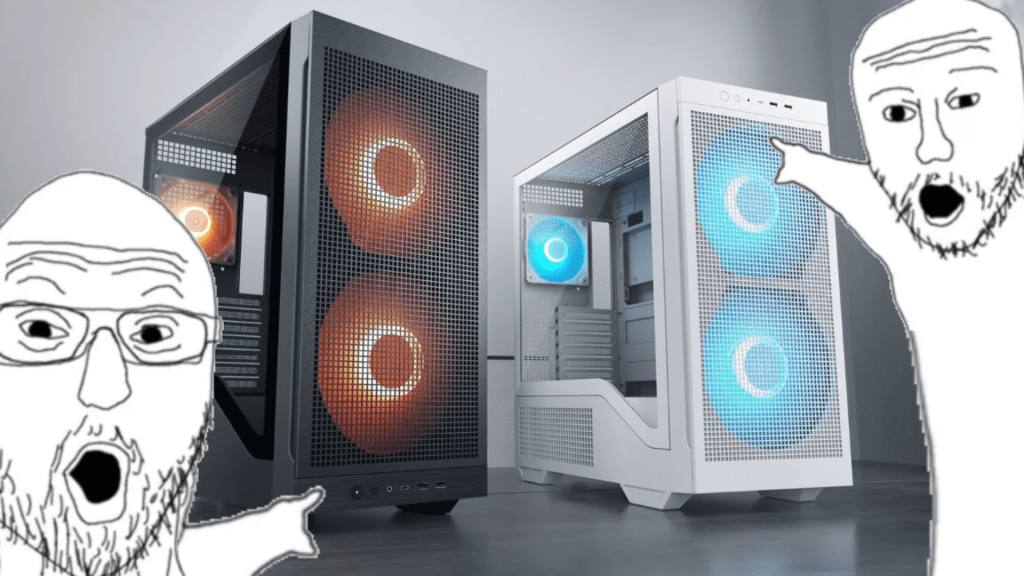
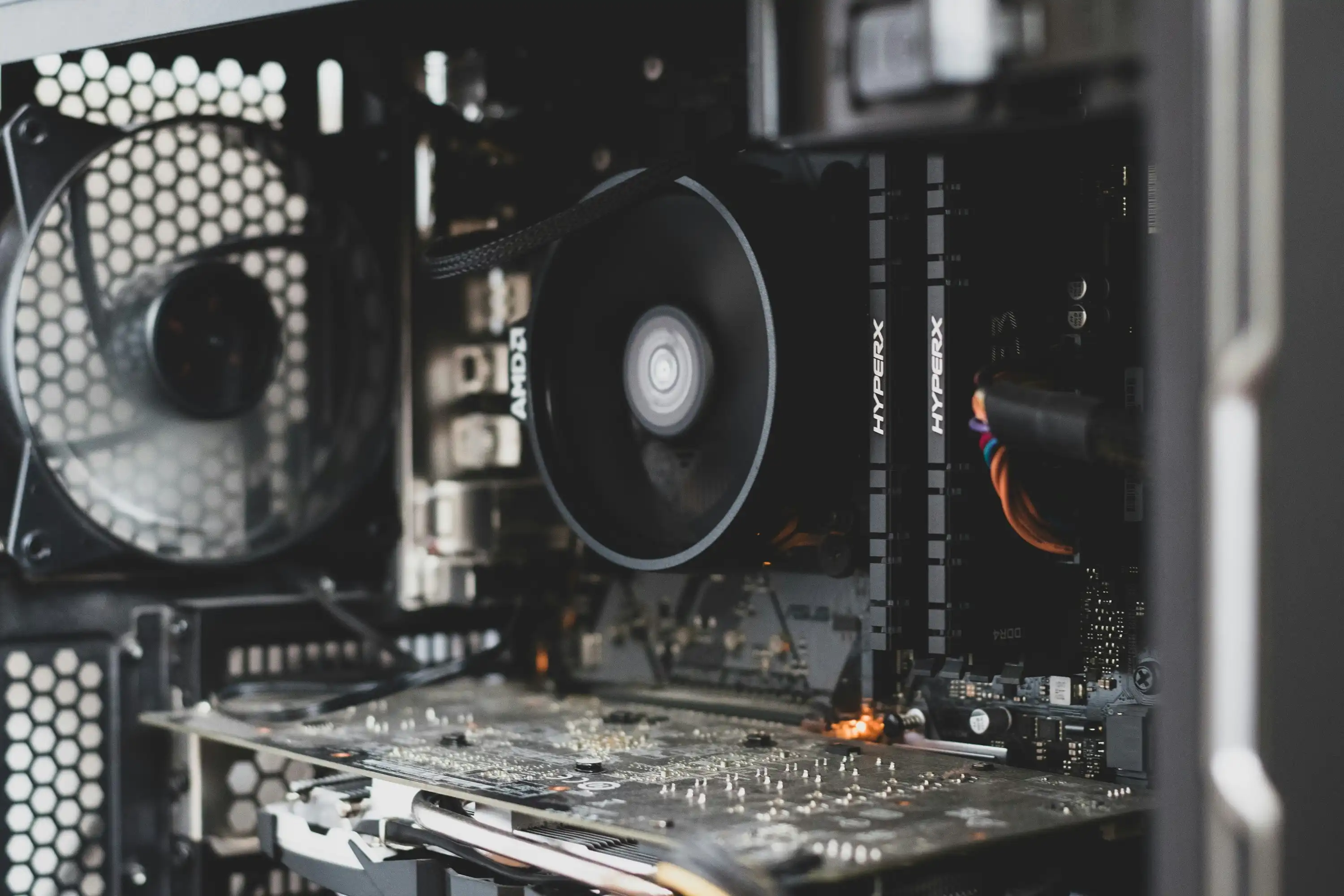
This shift is pushing PC builders to invest more in high-end cooling solutions, whether it's liquid cooling or advanced air-cooling setups. The days of relying on basic stock coolers are numbered, as even mid-range systems now demand better thermal management to sustain performance over time.
The implications for the market are clear: prices will continue to rise, but not uniformly. Some components may see price drops if efficiency gains allow for better cost-to-performance ratios. However, the overall trend is toward higher costs, driven by the need for more sophisticated cooling and power delivery solutions.
For PC builders, this means a focus on systems that balance performance with efficiency. It's no longer just about raw specs; it's about how those specs translate into real-world performance without breaking the bank or overheating. The era of bargain-priced PCs is behind us, but the potential for smarter, more efficient builds has never been greater.