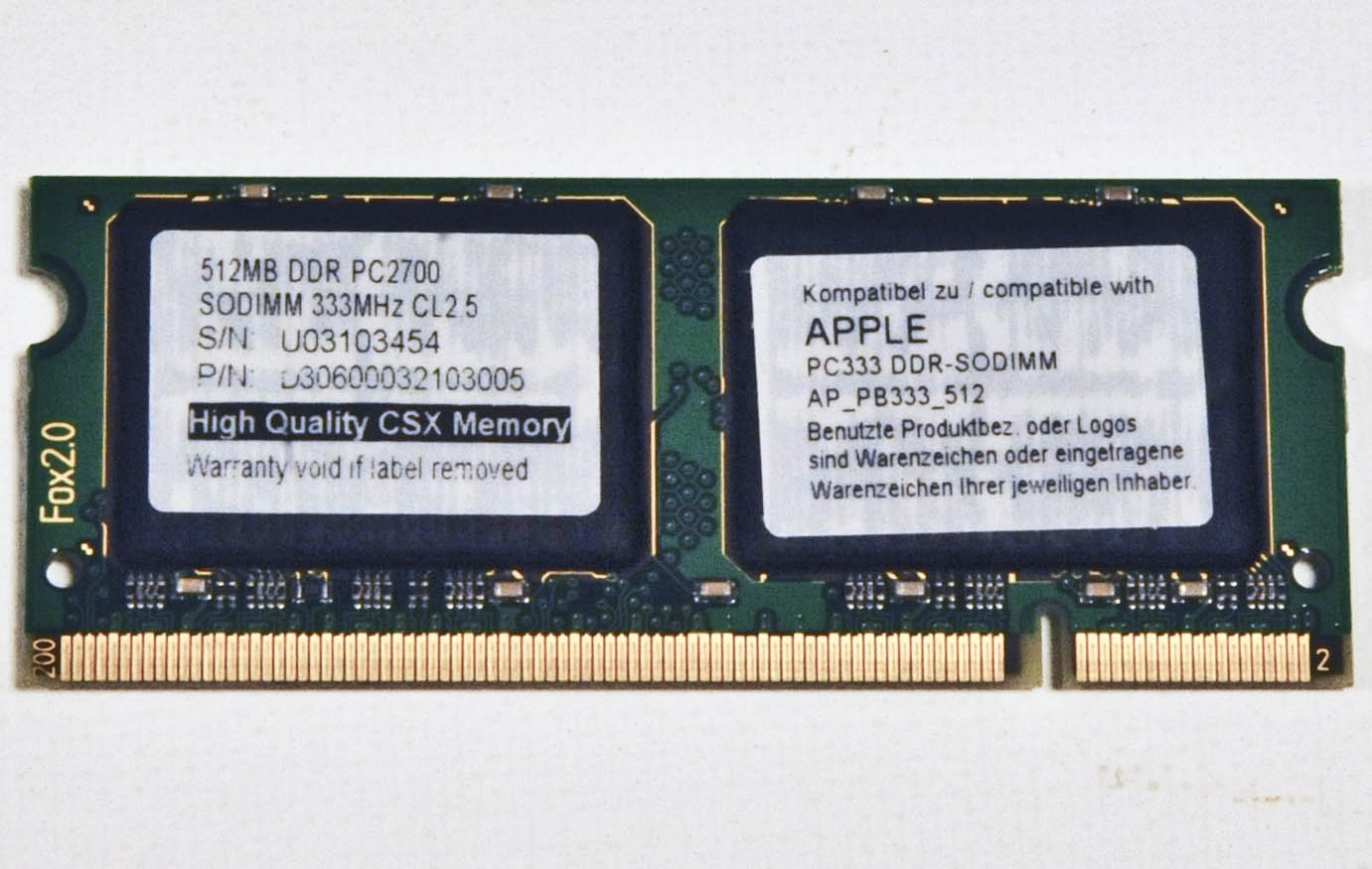
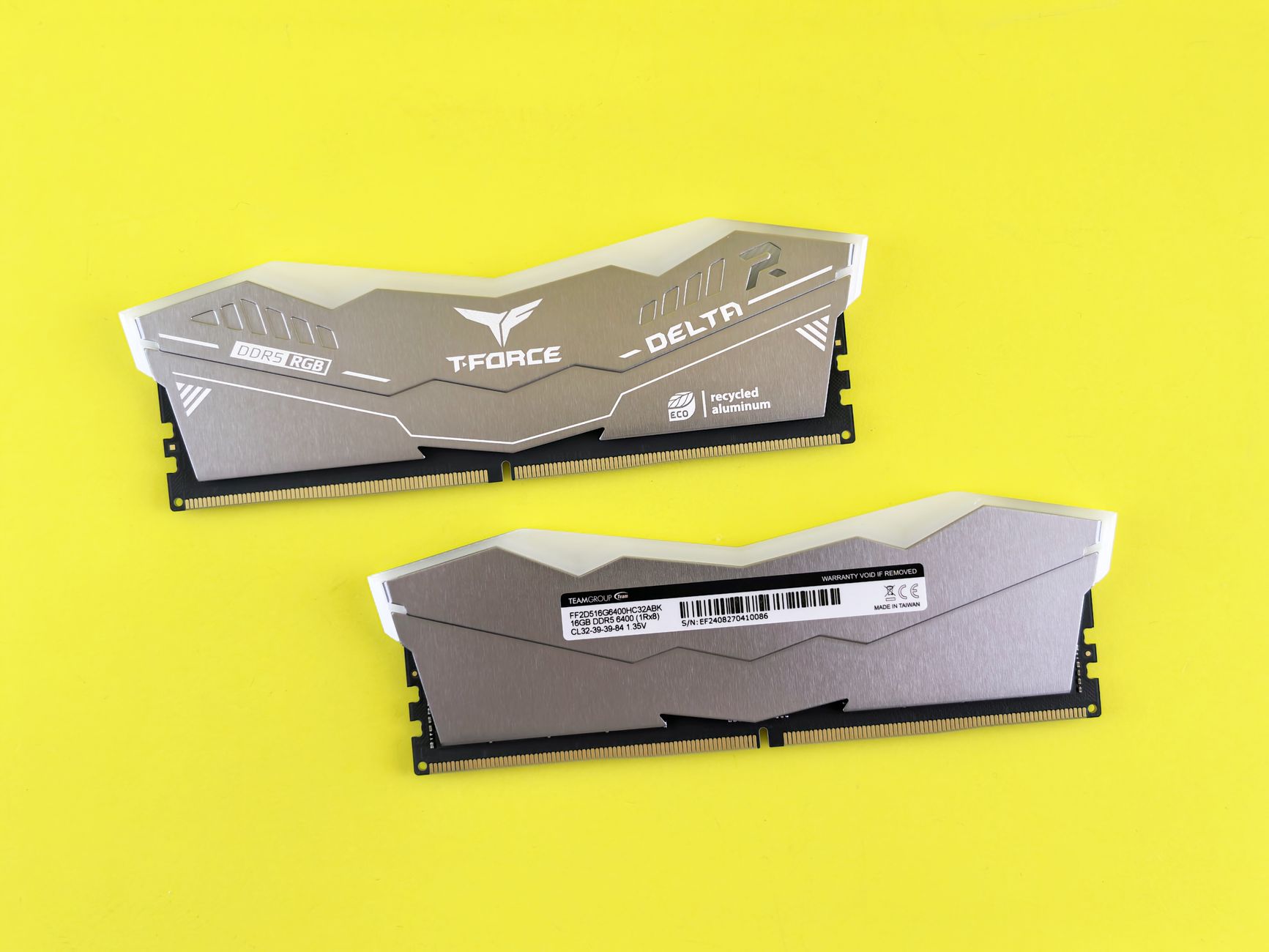
The computer industry is undergoing a quiet revolution beneath the hood. For decades, consumers grew accustomed to laptops and desktops arriving with ever-larger memory modules—8GB here, 16GB there—as if it were an entitlement rather than a carefully calibrated balance between cost and capability. Today, that assumption has been upended by a DRAM market that shows no signs of normalization anytime soon.
Manufacturers are responding with what amounts to architectural surgery: squeezing more computational efficiency from smaller memory footprints while rethinking how data flows through systems. The result is a shift in how PCs are designed, built, and marketed—a shift that will be visible not just in price tags but in the very way software behaves on modern hardware.
From abundance to allocation
The current DRAM crunch began taking hold in late 2019, but its effects have only accelerated since then. What started as a supply constraint due to factory disruptions and reduced production capacity evolved into a structural imbalance between demand—driven by AI workloads, gaming, and cloud services—and the industry’s ability to produce enough high-bandwidth memory modules.
- RAM prices surged from around $15 per gigabyte in early 2020 to over $40 per gigabyte at their peak, creating a cost premium that no manufacturer could ignore.
- As a result, many mid-range and budget systems now ship with 8GB or even 4GB of RAM, down from the 16GB baseline that became common just two years ago.
- Yet, benchmarks show that carefully optimized software stacks can deliver near-identical performance on half the memory, provided background processes are managed more aggressively and caching strategies are refined.
This isn’t just about fitting more cores into a chip. It’s about rethinking how data is stored, retrieved, and discarded across the entire stack—from the operating system to the applications running on top of it. Developers are now tuning memory allocators, reducing working set sizes, and leveraging hardware-level features like larger last-level caches and more efficient prefetching algorithms.
A new baseline for performance
The impact is already being felt in real-world usage. Web browsers, for example, have become far more disciplined in their memory consumption, with some modern engines now reclaiming unused tabs automatically rather than leaving them dormant but still allocated. Productivity suites are also adopting ‘just-in-time’ loading models that defer heavy assets until they’re actually needed.
On the hardware side, system-on-chip designs are incorporating more on-die memory and higher-bandwidth interfaces to compensate for the reduced DRAM capacity. Some platforms now use eDRAM or HBM (high-bandwidth memory) in specific components—like GPUs—to offload data that would otherwise tax the main memory subsystem.
What’s next: a leaner, meaner PC ecosystem
For consumers, the most immediate effect is price relief. Systems that once cost $1,200 with 16GB of RAM now sell for under $800 with 8GB—without sacrificing core functionality in everyday tasks like document editing or streaming video. The trade-off comes when users push systems beyond their intended workloads: opening multiple browser tabs with complex extensions, running virtual machines, or editing high-resolution media files.
Industry observers expect this trend to continue for at least another 18 months, with DRAM supply remaining tight due to ongoing geopolitical tensions and the ramp-up of new fabrication plants. In the meantime, manufacturers are hedging their bets by offering more modular upgrade paths—allowing users to add memory later if needed—or including larger SSD capacities to compensate for reduced RAM.
The long-term question is whether this new memory-aware design philosophy will stick once supply stabilizes. Or if it will fade into another ‘crisis’ lesson, buried under the next round of hardware upgrades. One thing is certain: the PC you buy today may not look like the PC your child will use in five years—not just in size or power, but in how memory itself is managed and perceived.