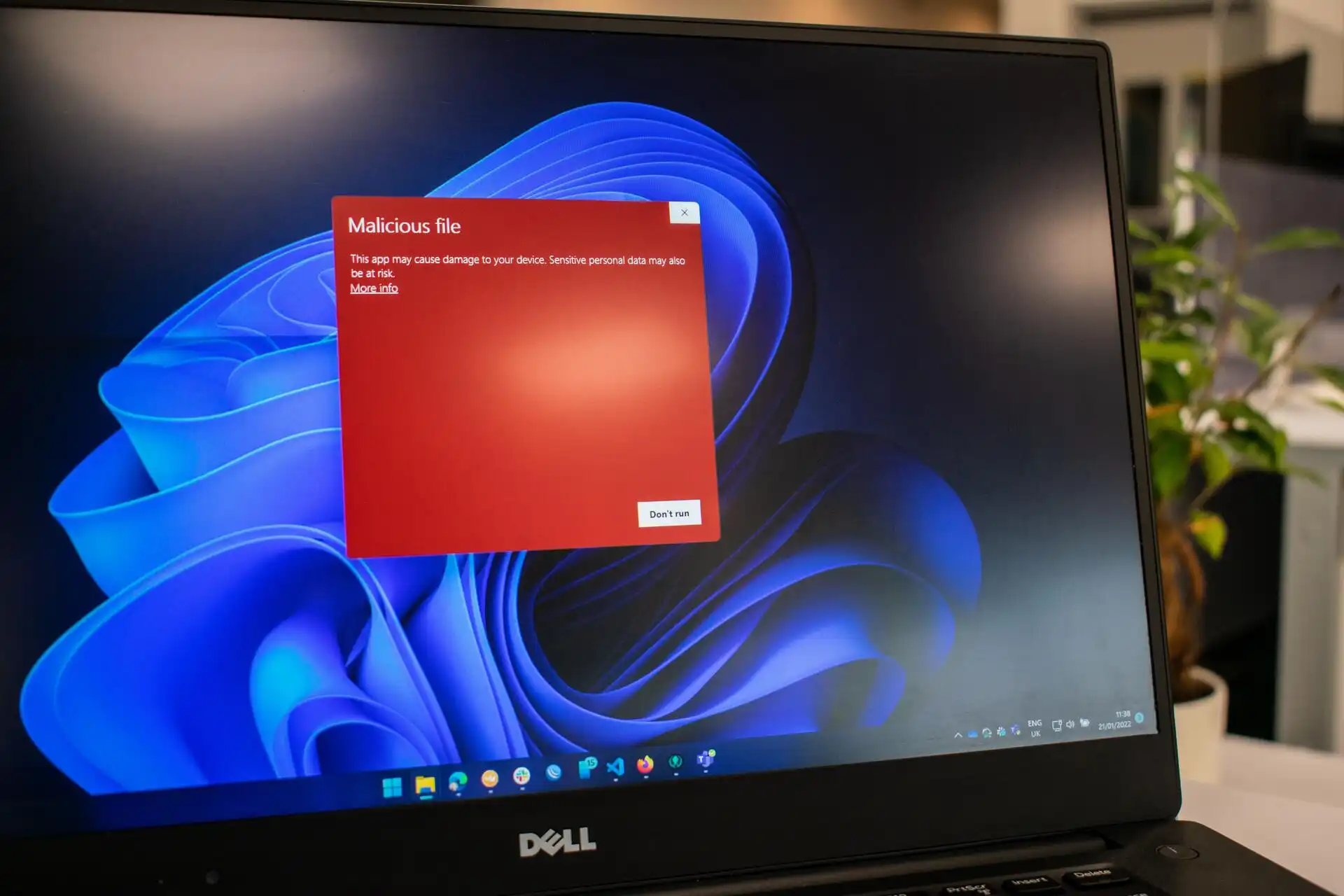
For PC enthusiasts and hardware tinkerers, CPU-Z and HWMonitor are indispensable tools—small utilities that provide deep insights into a system’s performance without slowing it down. But over the weekend, those same tools became vectors for malware after their official download links were hijacked, redirecting users to corrupted files. The incident, which lasted roughly six hours between April 9 and 10, underscores the risks of relying on third-party distribution channels even for trusted software.
The compromise was discovered when multiple users reported that downloads from CPUID’s website—home to both CPU-Z and HWMonitor—were flagged by Windows Defender as malicious. Upon closer inspection, it became clear that the official download links had been replaced with ones pointing to a separate, compromised hosting service. The original, signed files were not tampered with, but the redirection mechanism exposed users to potential malware during what should have been routine software installation.
- Key Details:
- A secondary API component of CPUID’s infrastructure was exploited, causing random redirects to malicious files.
- The main website and its signed binaries remained intact; only the download path was compromised.
- No evidence suggests long-term access or data theft—this appears to be a targeted distribution attack rather than a full breach.
That’s the upside—here’s the catch. While CPUID has since restored normal operations and the risk of infection is minimal, the incident serves as a reminder that even well-established tools can fall victim to supply-chain attacks. Users should always verify file checksums or digital signatures when downloading software, especially from third-party sites, even if they’re familiar with the brand.
For everyday users, the takeaway is straightforward: stick to official sources and treat every download with skepticism, no matter how trusted the tool may seem. The attack was likely opportunistic, aiming to spread malware while users were distracted by weekend routines. Those who downloaded files during the affected window should scan their systems for anomalies, but the immediate threat has passed.
Moving forward, CPUID’s ability to recover quickly will be a test of its resilience. If such incidents become more frequent, users may need to adopt additional verification steps—like checking release signatures on GitHub or third-party verification services—to ensure they’re getting the genuine software. For now, the tools are safe to use, but the lesson lingers: in the world of PC hardware, trust is earned, not assumed.