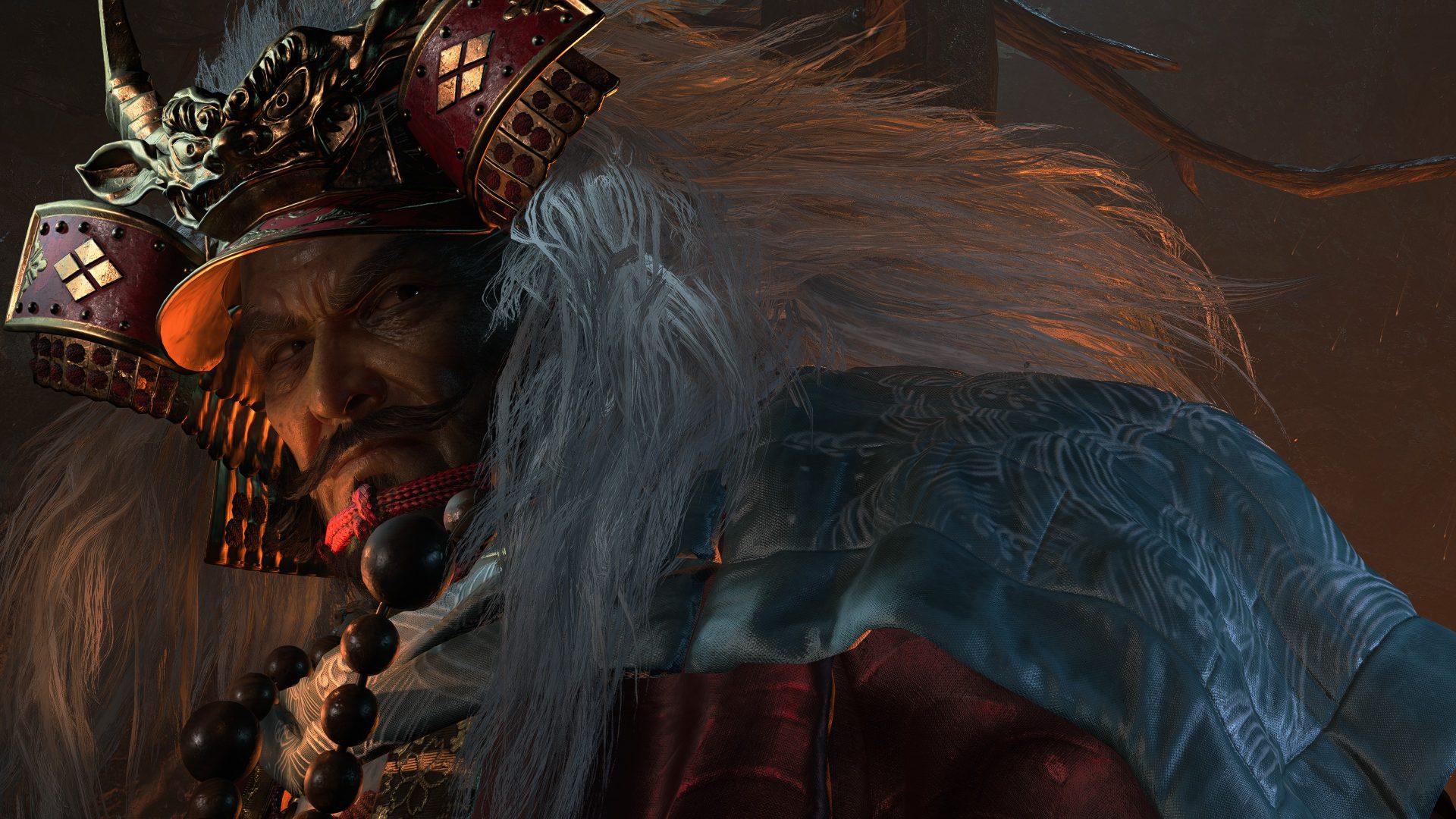
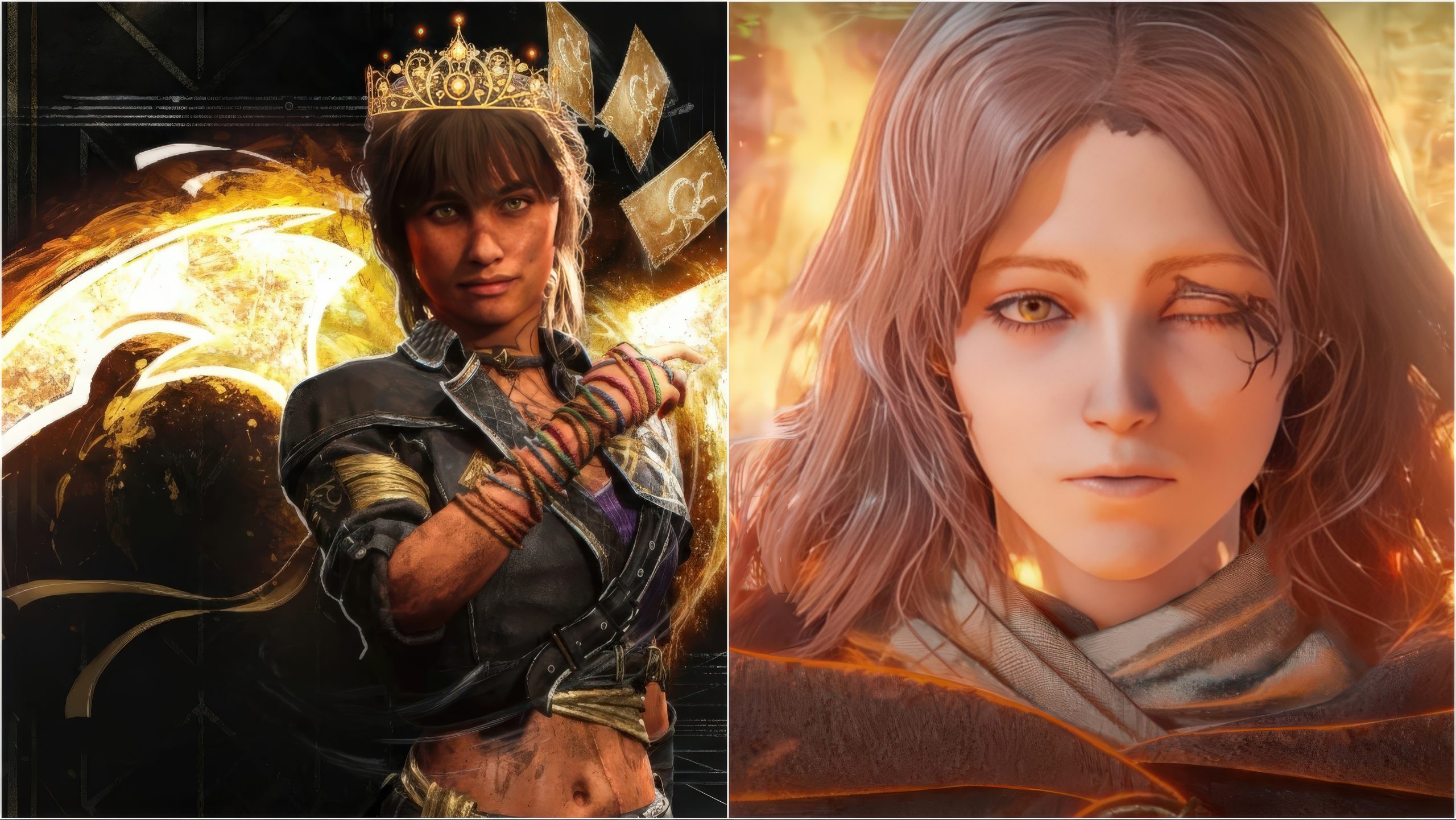
Clair Obscur: Expedition 33 has done the unthinkable. The turn-based JRPG, developed by a small team at Sandfall, has now secured more **Game of the Year** awards (436) than Elden Ring (435), a title once considered untouchable. Yet for players and critics alike, the achievement isn’t just a statistical footnote—it’s a cultural shift in how games are celebrated.
But the reaction from veterans in the industry reveals a deeper tension: while *Expedition 33* is widely praised as a masterpiece, its strengths lie in areas that don’t always align with the expectations set by Elden Ring. One thing is clear—this isn’t just about awards. It’s about what makes a game great in the first place.
At a glance
- 436 awards for *Clair Obscur: Expedition 33*, surpassing *Elden Ring*’s 435—despite the latter’s stronger competition in its release year.
- Industry veterans admit the game is a ‘masterpiece,’ but struggle to call it ‘better’ than *Elden Ring*, citing fundamental design differences.
- Replayability remains a key divide: *Elden Ring*’s open world and challenge loop keep players returning, while *Expedition 33*’s emotional storytelling may limit repeat plays.
- Critics note *Expedition 33*’s narrative depth makes flaws—like level design—more forgivable, whereas *Elden Ring*’s brilliance is in its systems, not just its story.
- Pricing: *Clair Obscur: Expedition 33* ($49.88), *Elden Ring* ($44.99).
- The debate isn’t just about awards—it’s about whether ‘greatness’ in gaming can be quantified at all.
A record that refuses to settle
The news broke like a cultural reset button. For years, *Elden Ring* stood as the gold standard—not just for awards, but for what a modern action RPG could achieve. Its open world, punishing yet fair combat, and the sheer ambition of its design made it a benchmark. Yet *Clair Obscur: Expedition 33*, a game built on a fraction of the budget and team size, has now edged it out in a metric that once seemed immutable.
The irony? Most who’ve played both don’t see it as a competition. One veteran developer, who requested anonymity, put it bluntly: ‘I had more fun playing *Elden Ring*.’ The open-world design—where players transition from prey to predator, where every corner of the map feels alive—isn’t just a feature. It’s an experience that rewires how players think about exploration. *Expedition 33*, by contrast, thrives on a different kind of immersion: one where turn-based combat and deeply personal storytelling take center stage.
Masterpiece vs. replayability
The divide isn’t just about awards. It’s about how games are enjoyed—and how often. *Elden Ring*’s strength lies in its replayability. Players return to uncover secrets, attempt new builds, or simply lose themselves in its vast landscapes. The game’s design encourages obsession. *Expedition 33*, while equally polished, feels more like a single, cohesive experience. Its emotional weight is such that critics and players alike admit they’ll revisit it only a handful of times.
�I’ll play *Expedition 33* once or twice more in my lifetime,’ one industry figure noted. ‘But *Elden Ring*? I’ll go back to it ten times or more.’ The contrast highlights a fundamental question: Can a game be a masterpiece without being endlessly replayable? For *Expedition 33*, the answer seems to be yes—but it’s a different kind of mastery.
Flaws and forgiveness
No game is perfect. Even *Elden Ring* has its critics, but its flaws—like the occasional rigidity in NPC paths—are overshadowed by its sheer ambition. *Expedition 33*’s weaknesses, however, are more pronounced in areas where it doesn’t excel. Level design, for instance, has been called ‘weak’ by some, yet the game’s narrative and character depth make those critiques feel secondary. ‘People’s love for the story and characters leads them to forgive other faults,’ one observer said. It’s a reminder that gaming’s most celebrated titles don’t just need flawless execution—they need to resonate on a human level.
Yet the awards don’t lie. *Clair Obscur: Expedition 33* has earned its place in history—not because it’s ‘better,’ but because it represents something different. It’s a testament to what a small team can achieve when they focus on storytelling and emotional impact over sprawling systems. And in a landscape where ‘greatness’ is often measured by scale, that’s a revolution.
The debate over which game is ‘better’ may never be settled. But one thing is certain: gaming’s definition of excellence just got a lot more interesting.