BenQ has entered the competitive programming monitor space with a product designed to tackle two persistent pain points: visual strain during extended development and the need for smoother, more responsive displays. The RD280UG, set to debut at CES 2026, breaks from traditional developer-focused monitors by combining a 120 Hz refresh rate—uncommon in this category—with BenQ’s established eye-care technologies, positioning itself as both a productivity tool and an ergonomic necessity for developers.
Unlike many programming monitors that prioritize raw resolution or color accuracy, the RD280UG balances these with fluidity. Its 4K+ resolution (3840×2160) is paired with a 120 Hz refresh rate, a feature more associated with gaming displays. This choice suggests BenQ is targeting developers who work across multiple environments—coding, debugging, and occasional light gaming or media consumption—where smooth scrolling and reduced motion blur could translate to fewer eye-strain headaches over time.
The monitor’s 3:2 aspect ratio, a staple in developer displays, maximizes vertical screen real estate for code, while its Nano Matte Panel reduces glare, a common complaint among developers working in bright or mixed lighting conditions. The inclusion of BenQ’s exclusive Coding Modes—Dark Theme, Light Theme, and Paper Color Mode—further refines the user experience by adapting to different IDE themes without manual adjustments.
Power efficiency is another differentiator. A single USB-C cable handles not only data and video but also up to 90 W of power delivery, a practical feature for developers who rely on laptops or thin-and-light workstations. This eliminates the need for multiple cables, a small but meaningful step toward reducing desk clutter—a factor that often gets overlooked in technical specifications.
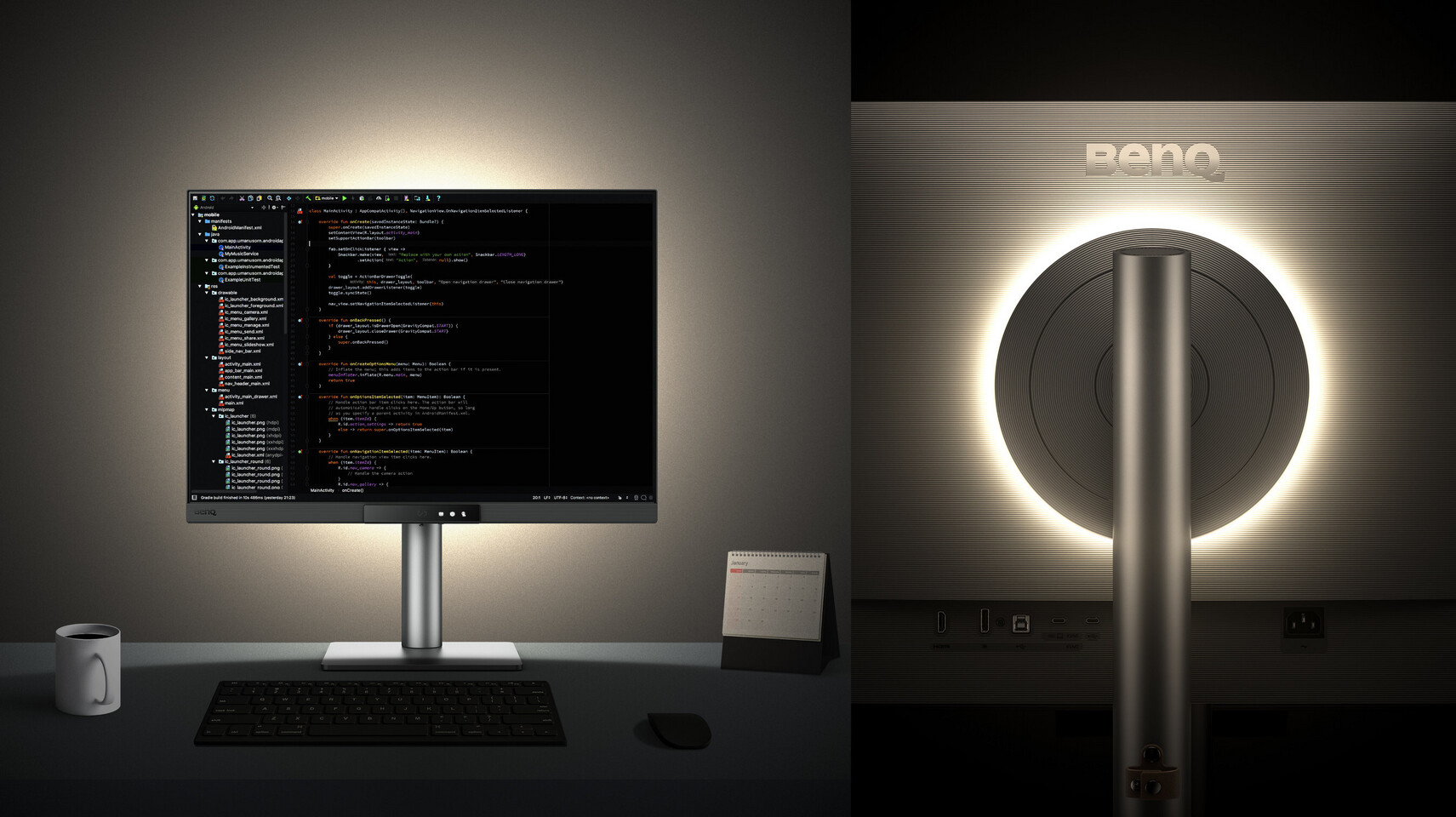
Eye-care features are extensive and tailored to long sessions. MoonHalo bias lighting mimics natural ambient light, while Night Hours Protection dynamically adjusts brightness to minimize strain during late-night coding. Additional TÜV-certified Low Blue Light technology, auto brightness, and color temperature adjustments work together to create a display that adapts to the user rather than forcing them to adapt to it.
For multitasking developers, a built-in KVM switch allows seamless control of two devices with one keyboard and mouse, a feature that could appeal to those working across local and remote environments. The monitor’s software, Display Pilot 2, supports macOS, Windows, and Linux—including robust Linux compatibility—a nod to the diverse operating systems used in development.
Pricing is set at $759.99, a figure that aligns with premium programming monitors but also reflects the market’s willingness to invest in tools that promise both performance gains and ergonomic relief. Given the growing emphasis on developer well-being—from standing desks to blue-light filters—this monitor could carve out a space for itself in studios, remote work setups, or corporate environments where productivity is measured as much by output as it is by sustainability.
While 120 Hz may seem excessive for pure coding, the trend toward smoother displays in professional workflows (even outside gaming) suggests BenQ is betting on a shift in developer expectations. If the market follows suit, this could set a new benchmark for what’s considered essential in a programming monitor—one where fluidity isn’t just a luxury but a necessity for long-term comfort and efficiency.