ARM has entered uncharted territory with its first-ever silicon dedicated to agentic AI, marking a significant departure from traditional CPU architectures. The AGI CPU is not merely an incremental upgrade but a reimagining of how processors can adapt to the evolving needs of artificial intelligence.
The AGI CPU, while still in its early stages, promises to address critical bottlenecks in AI workloads. Its design focuses on dynamic resource allocation, allowing it to efficiently manage tasks that range from real-time data processing to complex decision-making. This is a stark contrast to the rigid pipelines of conventional CPUs, which often struggle with the unpredictable nature of AI computations.
Engineering Tradeoffs and Innovations
The AGI CPU introduces several engineering tradeoffs that could redefine performance benchmarks. One notable aspect is its ability to dynamically adjust clock speeds and power consumption based on workload demands. This flexibility is crucial for AI applications, where efficiency can directly impact real-world performance.
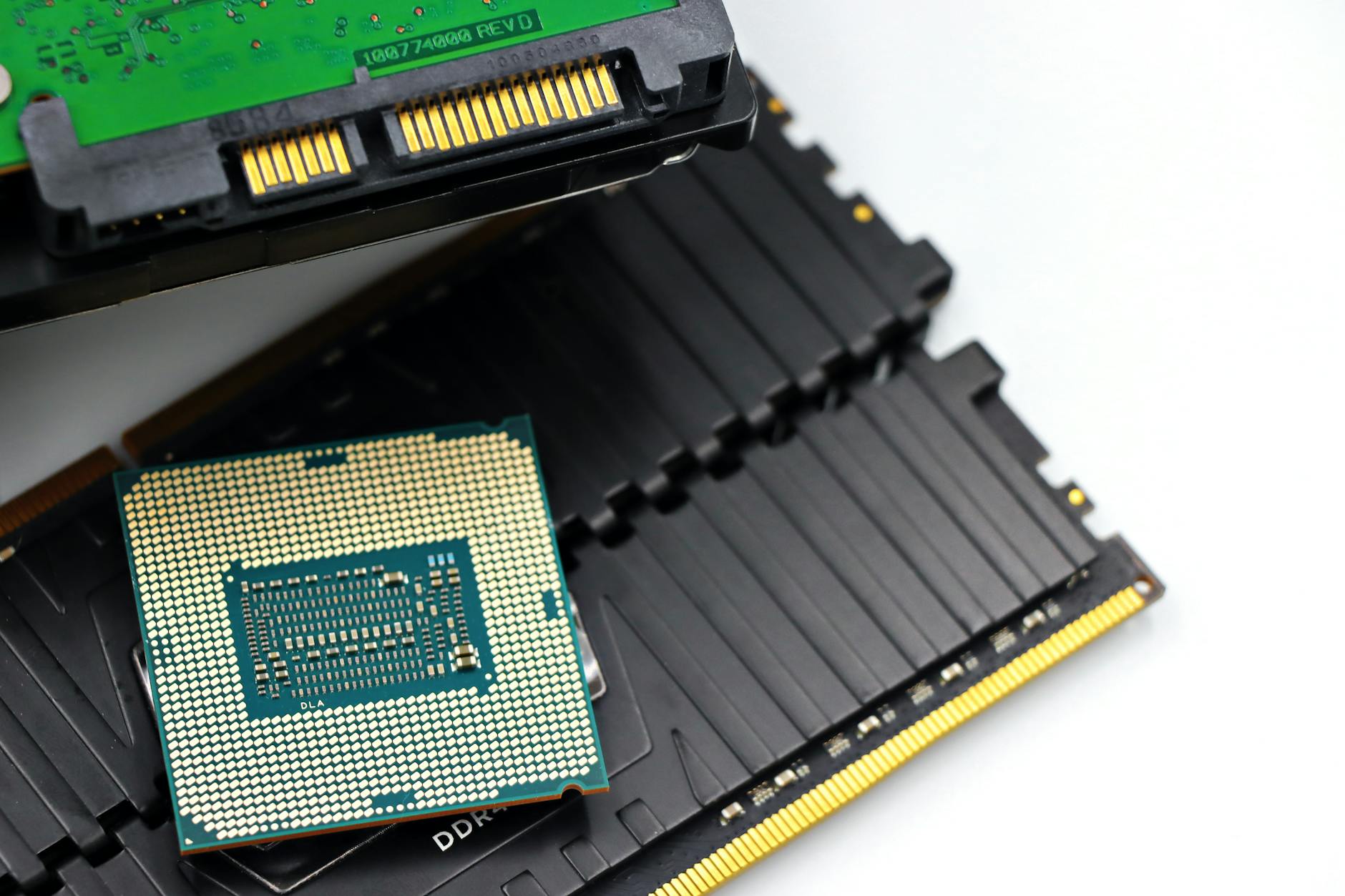
Another key innovation lies in the chip's memory architecture. Unlike traditional CPUs that rely on uniform memory access patterns, the AGI CPU employs a hierarchical memory system. This allows for faster data retrieval and processing, which is essential for tasks requiring rapid decision-making, such as those found in agentic AI systems.

Key Specifications
- Core Architecture: The AGI CPU features a novel core design optimized for AI workloads, with a focus on parallel processing and dynamic task scheduling.
- Clock Speed: The chip operates at variable clock speeds, ranging from 1.0 GHz to 3.5 GHz, depending on the workload demands.
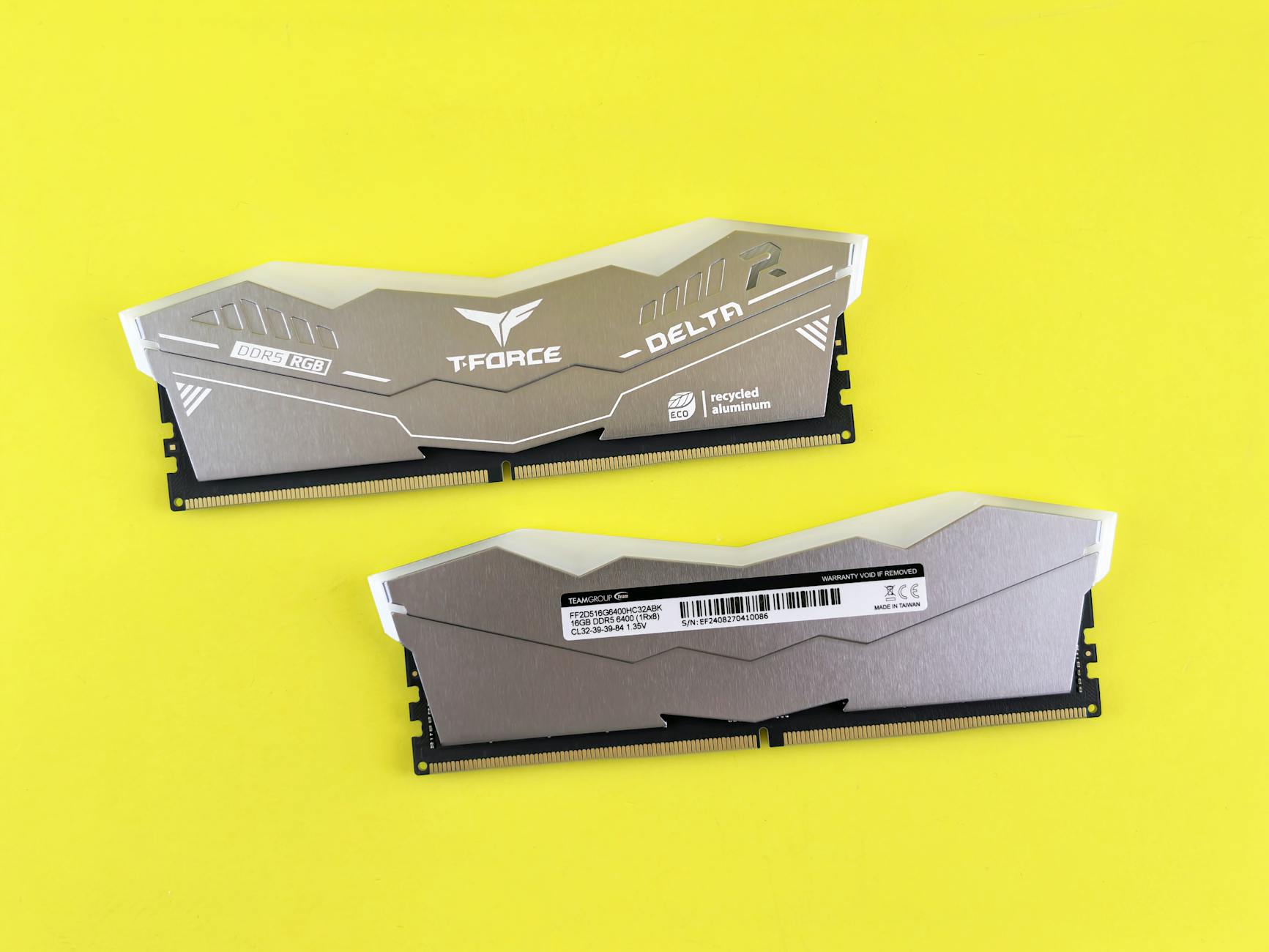
- Memory Support: It supports up to 64 GB of DDR5 memory, with a hierarchical memory system that prioritizes data access based on task requirements.
- Power Efficiency: The AGI CPU is designed to deliver high performance while maintaining low power consumption, making it suitable for both edge and cloud deployments.
These specifications are a testament to ARM's commitment to pushing the boundaries of AI processing. The variable clock speeds and hierarchical memory system are particularly noteworthy, as they address some of the most pressing challenges in AI workload management.
The AGI CPU is still in its early stages, but it has already generated significant interest within the tech community. Its potential to revolutionize AI processing could make it a cornerstone for future developments in this field. For creators and developers, this chip opens up new possibilities for building more efficient and capable AI systems.
As the demand for agentic AI continues to grow, the AGI CPU stands as a promising solution to the supply and availability challenges that have plagued the industry. Its dynamic architecture could help meet the increasing need for scalable and adaptable AI processing power, ensuring that developers have the tools they need to innovate without being constrained by hardware limitations.
In the ever-evolving landscape of AI, the AGI CPU represents a significant step forward. While it is still too early to predict its full impact, one thing is clear: ARM has taken a bold and necessary leap into the future of processing.