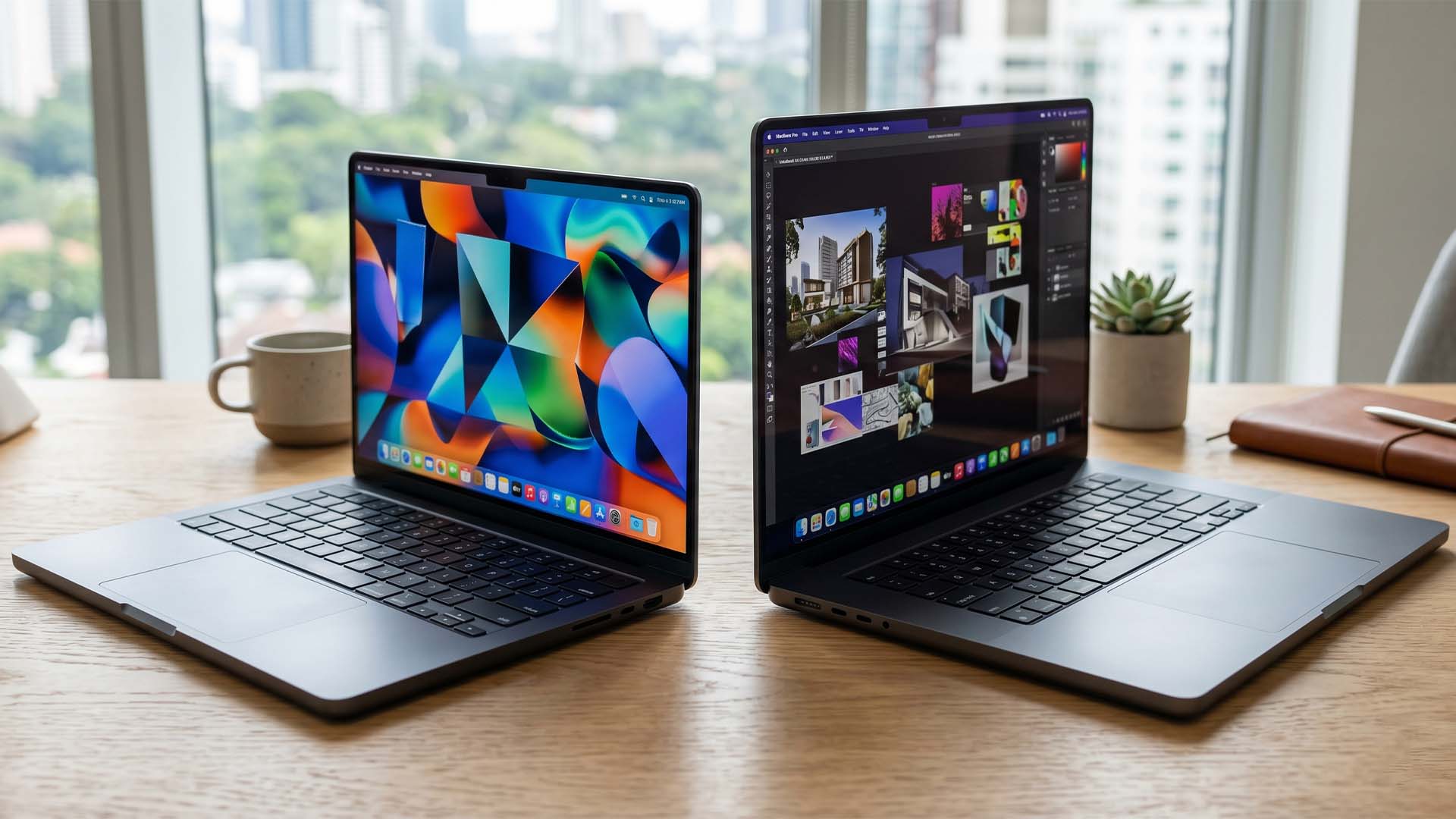
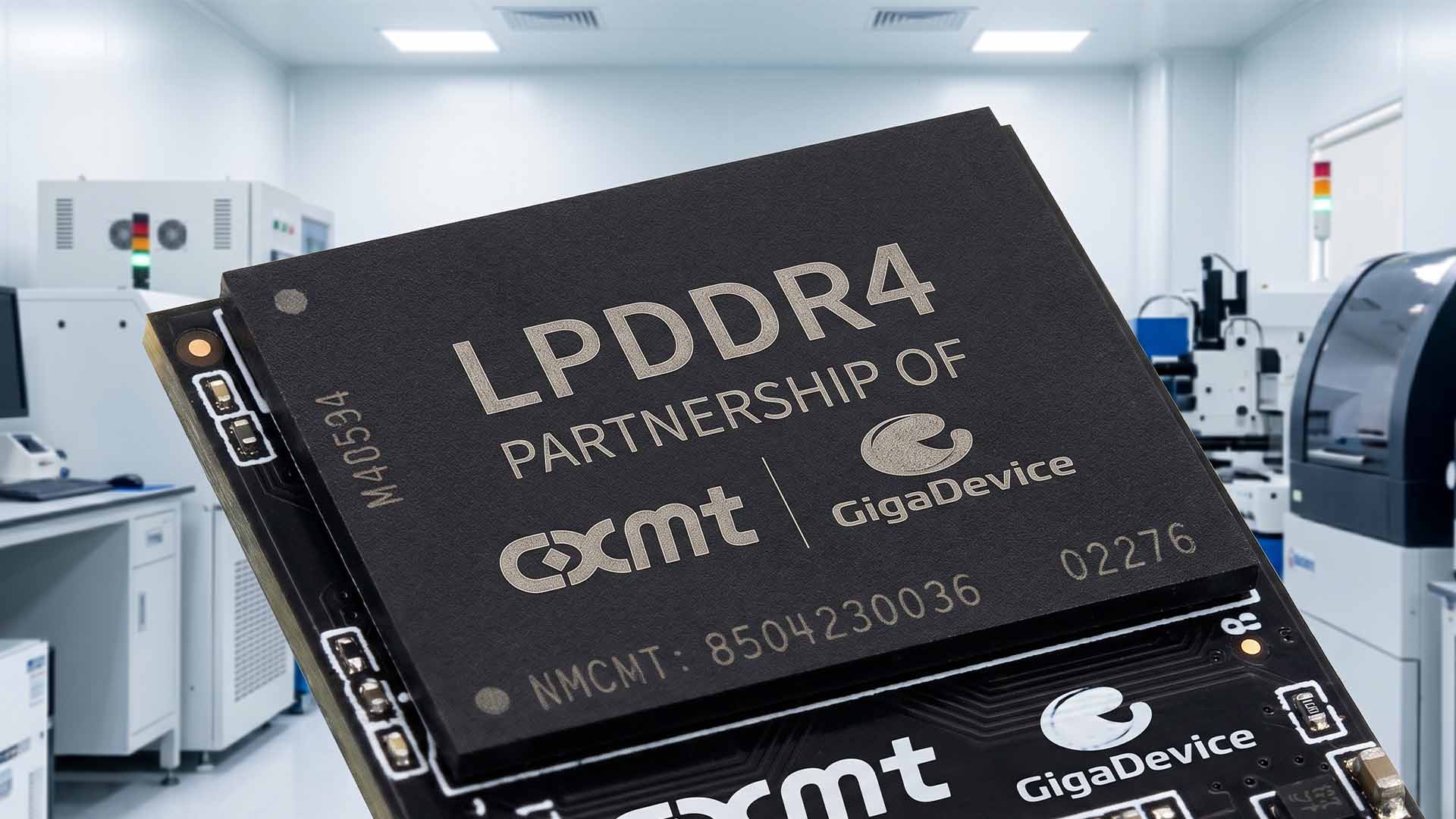
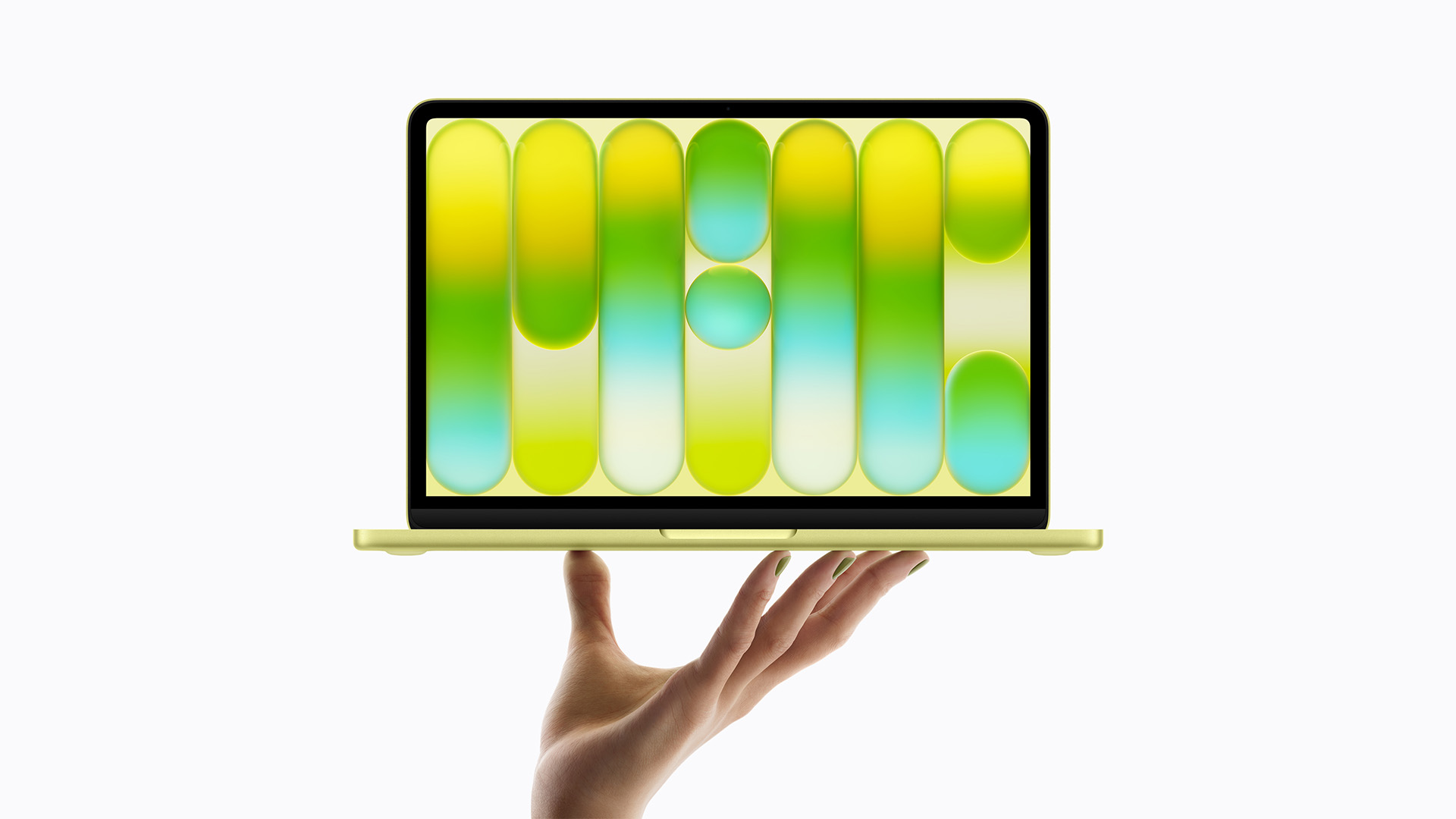
The MacBook Neo is breaking new ground—not by switching away from Intel’s CPU architecture, but by swapping its network stack to a MediaTek chip for the first time in an Apple laptop.
This shift arrives while Intel remains the primary engine inside every MacBook Neo model: 13-inch, 14-inch, and 15-inch variants all carry M-series processors (M2, M2 Pro, or M2 Max) paired with a MediaTek MT7961 Wi-Fi 6E chip that handles both 802.11ax and Bluetooth 5.3. The move is subtle but significant: Apple has never before used a MediaTek networking component in any MacBook generation.
Why the network stack matters
The choice of networking silicon is rarely front-page news, yet it carries hidden risks. Engineers now have two distinct hardware stacks to maintain—one for Intel-based processors and another for the new MediaTek networking layer—while ensuring seamless software updates across both. Any future driver or firmware update must account for both code paths without introducing instability.
What stays unchanged
- Intel’s M-series CPUs (M2, M2 Pro, M2 Max) remain the core processing units in all MacBook Neo configurations.
- Storage is unified across models: 256 GB base, 512 GB standard, and a 1 TB high-end option on every variant.
- Display specifications are identical to previous generations: 13.3-inch (13-inch model), 14.2-inch (14-inch model), and 15.3-inch (15-inch model) with 2560 × 1664 resolution at 227 PPI.
Where the risk lies
The real question is not whether the MediaTek networking chip performs well—early benchmarks suggest it matches or slightly exceeds previous Apple Wi-Fi chips in throughput—but whether Apple can sustain two parallel update pipelines without creating compatibility gaps. If future macOS releases skip driver support for older Intel-based MacBooks, users may find themselves stuck between legacy hardware and cutting-edge software.
Who benefits most
Power users who prioritize Wi-Fi 6E speed and Bluetooth 5.3 features will see immediate gains, but the long-term winners are likely to be Apple’s ecosystem engineers. A smooth transition here could set a template for future hardware diversification without sacrificing software consistency.