What’s keeping memory prices at record levels? The answer lies in a combination of unrelenting demand and persistent supply shortages that have no immediate resolution. Unlike past price spikes, this surge isn’t tied to a single event—it’s the result of systemic pressures across the industry.
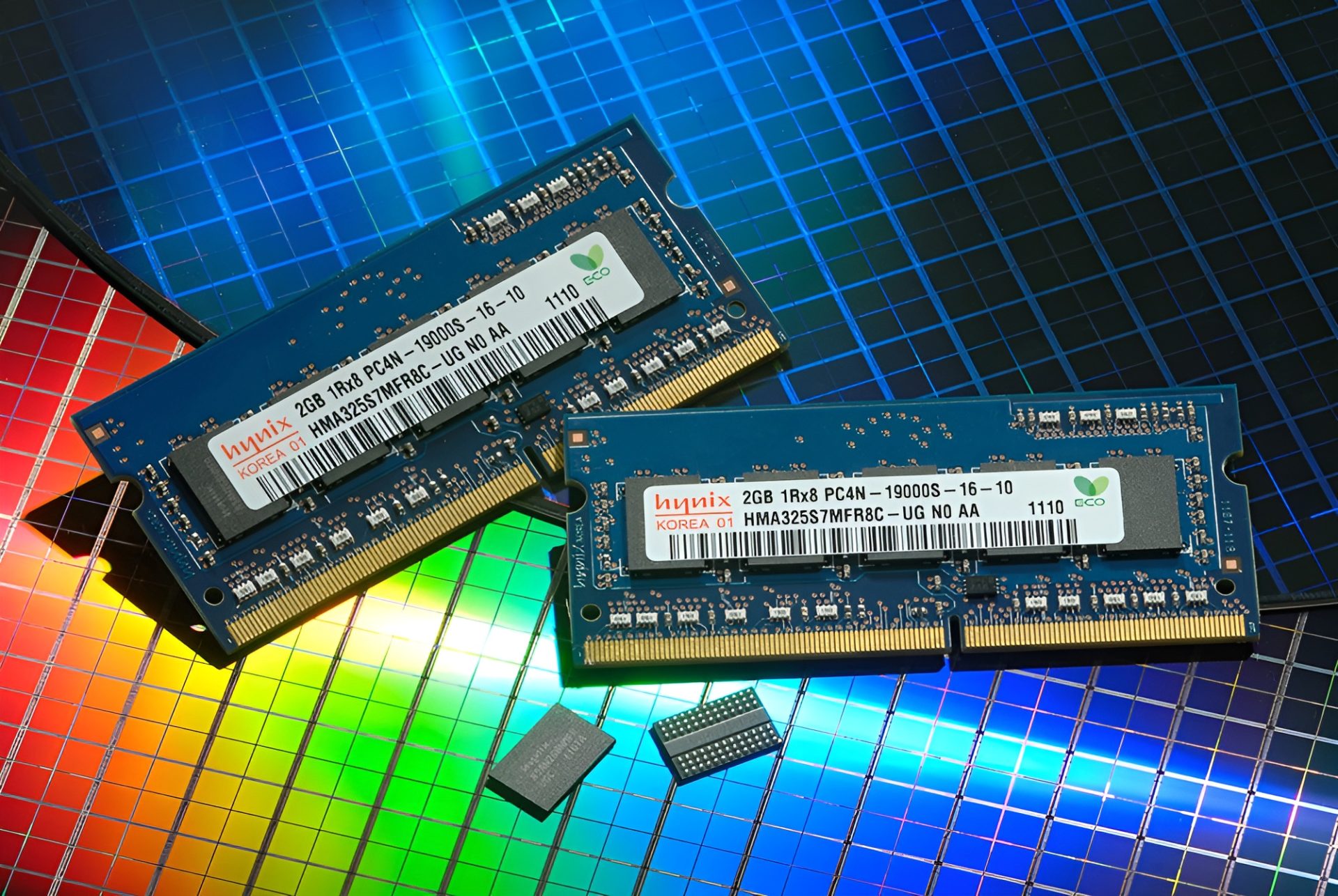
Why should businesses care about these rising costs? Memory is the foundation of modern computing infrastructure, from data centers to mobile devices. When DRAM and NAND prices climb, the entire tech ecosystem feels the impact. Reports indicate that even high-capacity modules, which were once cost-effective for bulk deployments, now carry significant premiums. This shift forces IT decision-makers to rethink storage strategies while managing budget constraints.
When can enterprises expect relief? Industry estimates suggest supply shortages will persist through much of 2024, with no clear timeline for normalization. Regional production disruptions and geopolitical factors are adding layers of complexity, making it difficult to predict when prices might stabilize. For companies investing in cloud expansion or hardware upgrades, this means preparing for sustained higher costs without a guaranteed end.
What does this mean for the future? Businesses will need to adopt more flexible procurement strategies, possibly locking in long-term contracts or exploring alternative storage solutions to offset the financial burden. Until supply chain dynamics improve, memory costs will remain a critical factor in IT spending decisions, reshaping how organizations approach infrastructure investments.