Gamers and content creators looking to balance power with cost are getting a rare opportunity with the release of two compact AMD Ryzen-powered mini PCs. The tradeoff is clear: higher-end models deliver premium performance for demanding tasks, while budget-friendly options cut corners in cooling and sustainability without sacrificing core functionality.
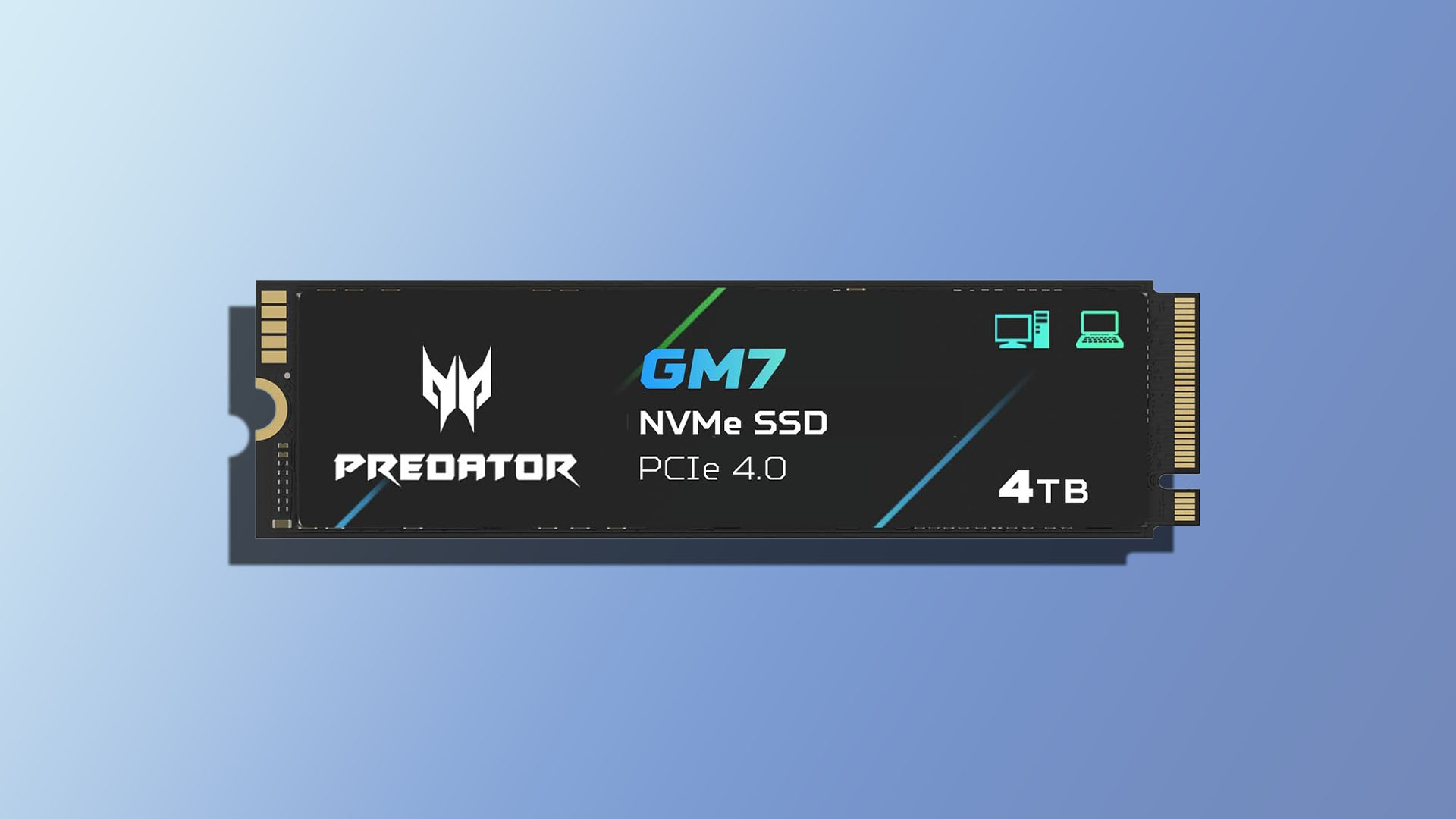
The AceMagician M1 stands out as the more capable of the two, packing a Ryzen 7 7735HS processor—AMD's latest mobile-grade CPU designed for efficiency and sustained workloads. Paired with 24 GB of LPDDR5 RAM and a 512 GB NVMe SSD, it promises smooth multitasking and fast storage performance, though its lack of upgrade paths or advanced cooling may limit longevity in extreme scenarios.
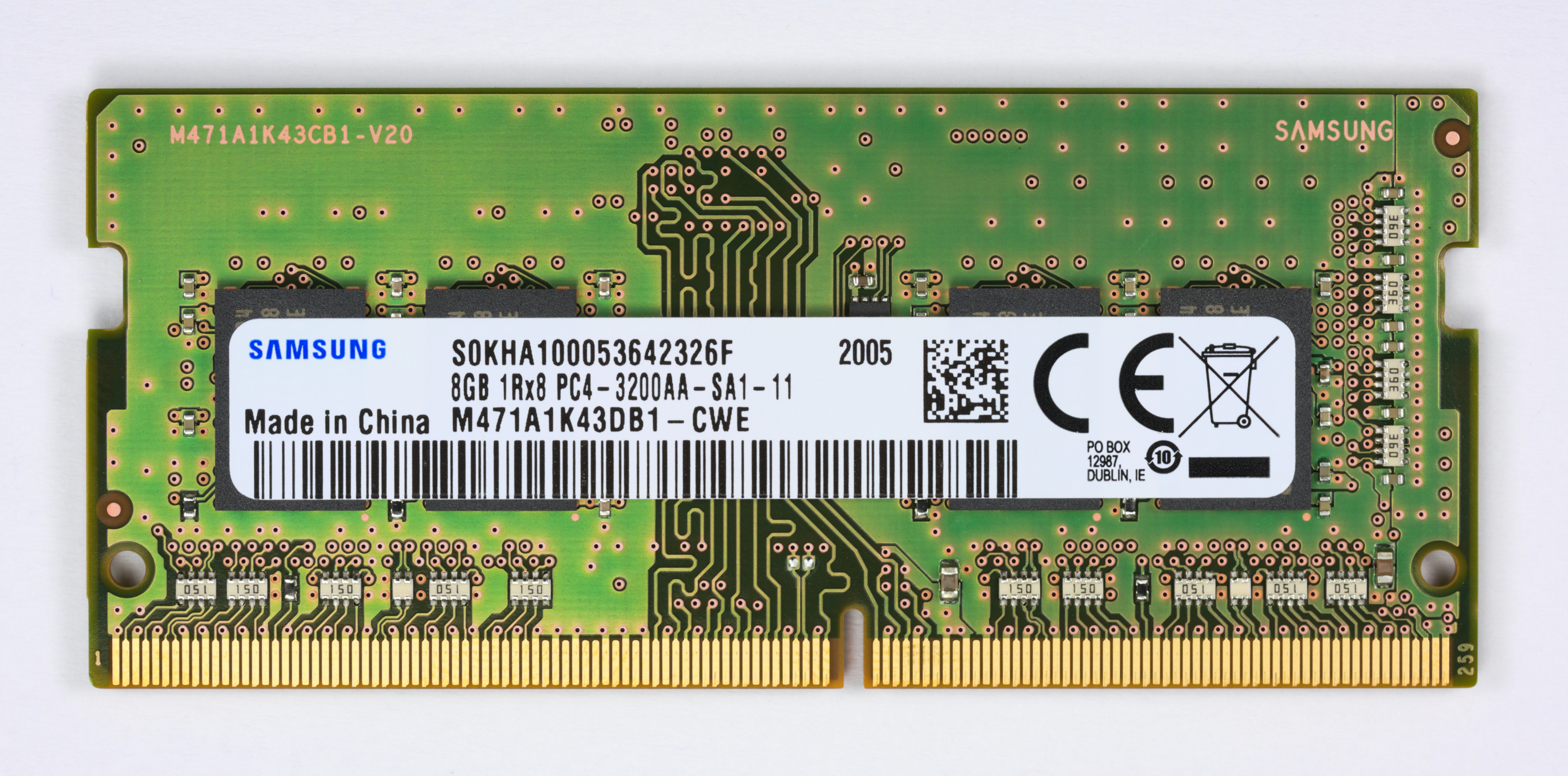
For those prioritizing cost over raw performance, the AceMagic K1 offers a more restrained but still capable experience. Its Ryzen 3 4300U, while older, remains efficient for basic gaming and office tasks when paired with 16 GB of DDR4 RAM and a 256 GB NVMe SSD. The absence of modern memory standards or larger storage options makes it less future-proof, but its lower price could appeal to users with modest needs.
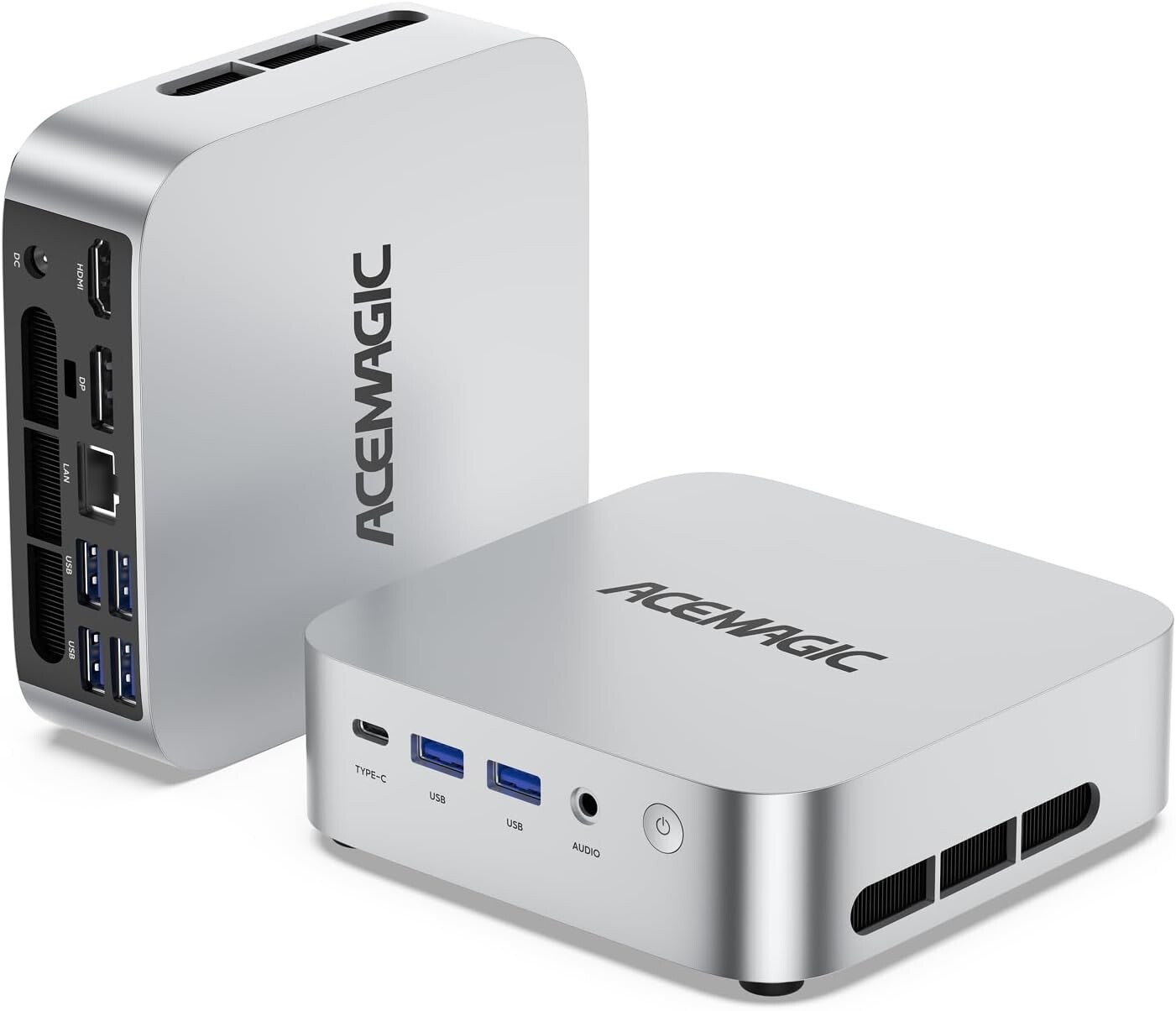
The choice between the two ultimately comes down to workload. Enthusiasts pushing for extended battery life and responsive performance in gaming or video editing will gravitate toward the M1, while casual users or budget-conscious builders might find the K1 sufficient for web browsing, light streaming, or office work. Neither model, however, addresses the growing demand for sustainability, with both relying on traditional DDR4/LPDDR5 modules rather than newer ECC or low-power variants.
Availability and pricing are key considerations here. The M1 is listed at a discounted $395.10, while the K1 drops to $368. Whether these prices justify the tradeoffs remains to be seen, but for users who can overlook the limitations, they represent a straightforward entry into AMD's Ryzen-powered mini PC ecosystem.