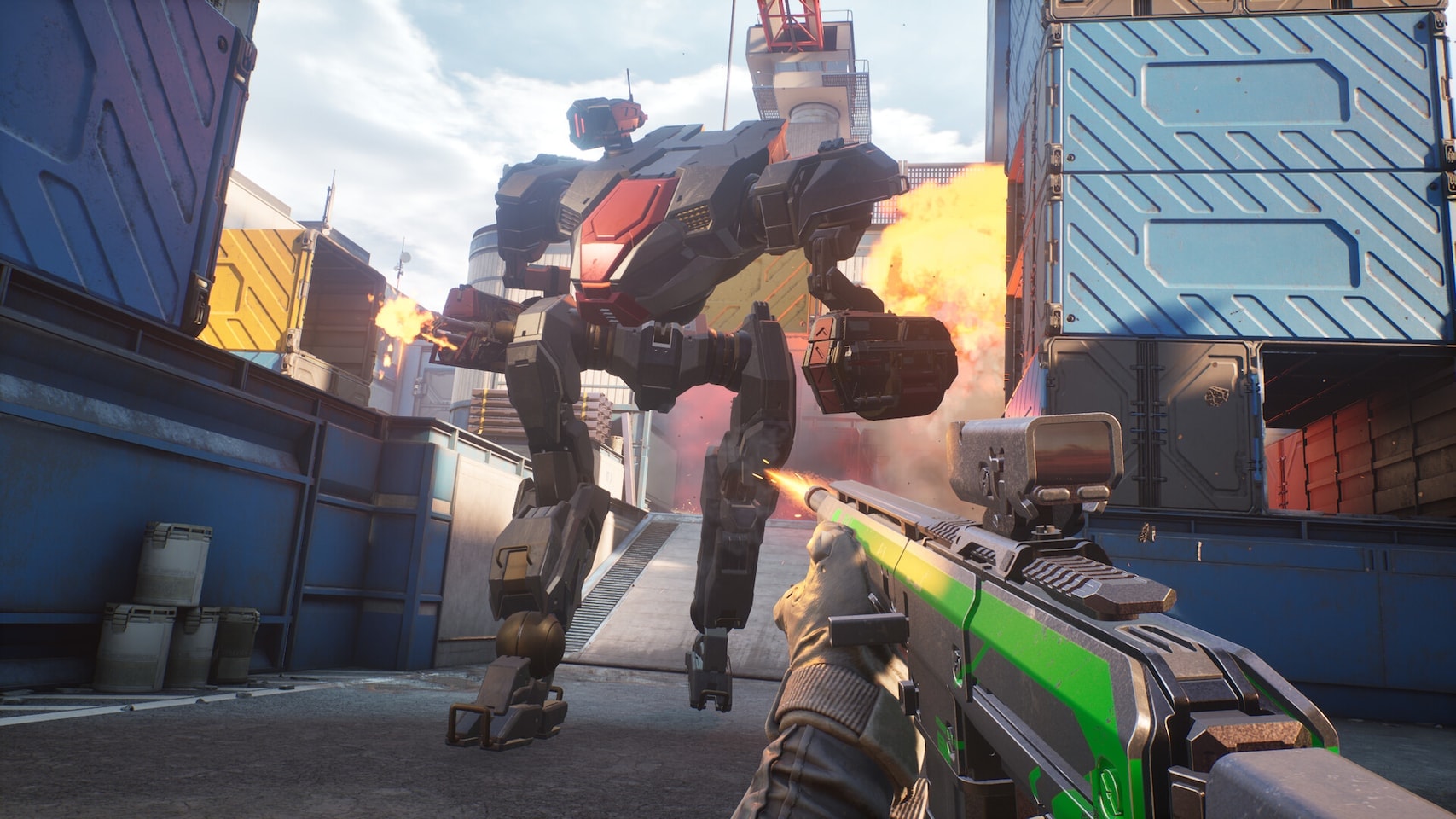
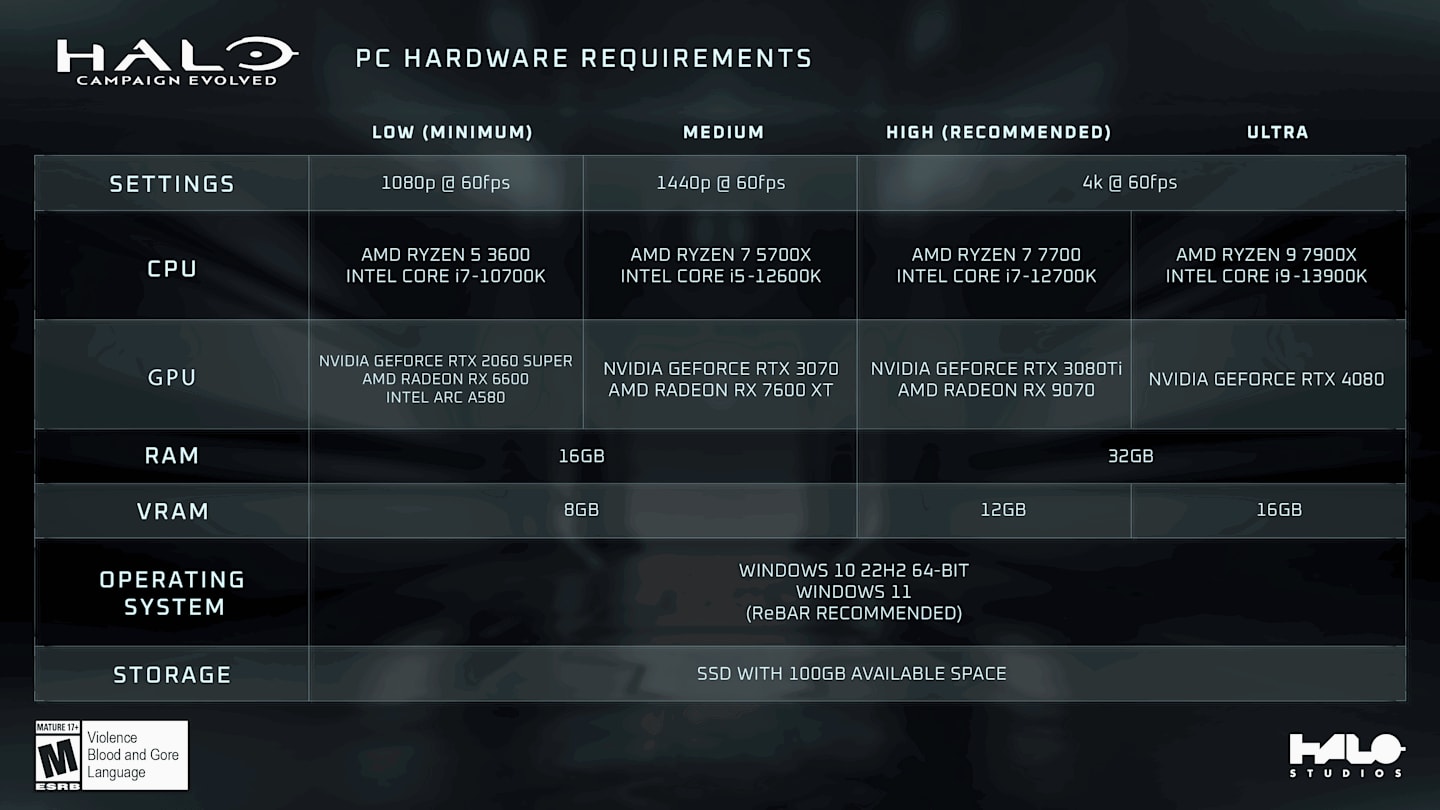
The PC version of Halo: Campaign Evolved has surfaced with its system requirements, providing developers with a benchmark to gauge how modern hardware will handle the game’s demands. The revealed specifications serve as both a guide for potential buyers and a test for how far current-generation PCs can push performance in this new entry.
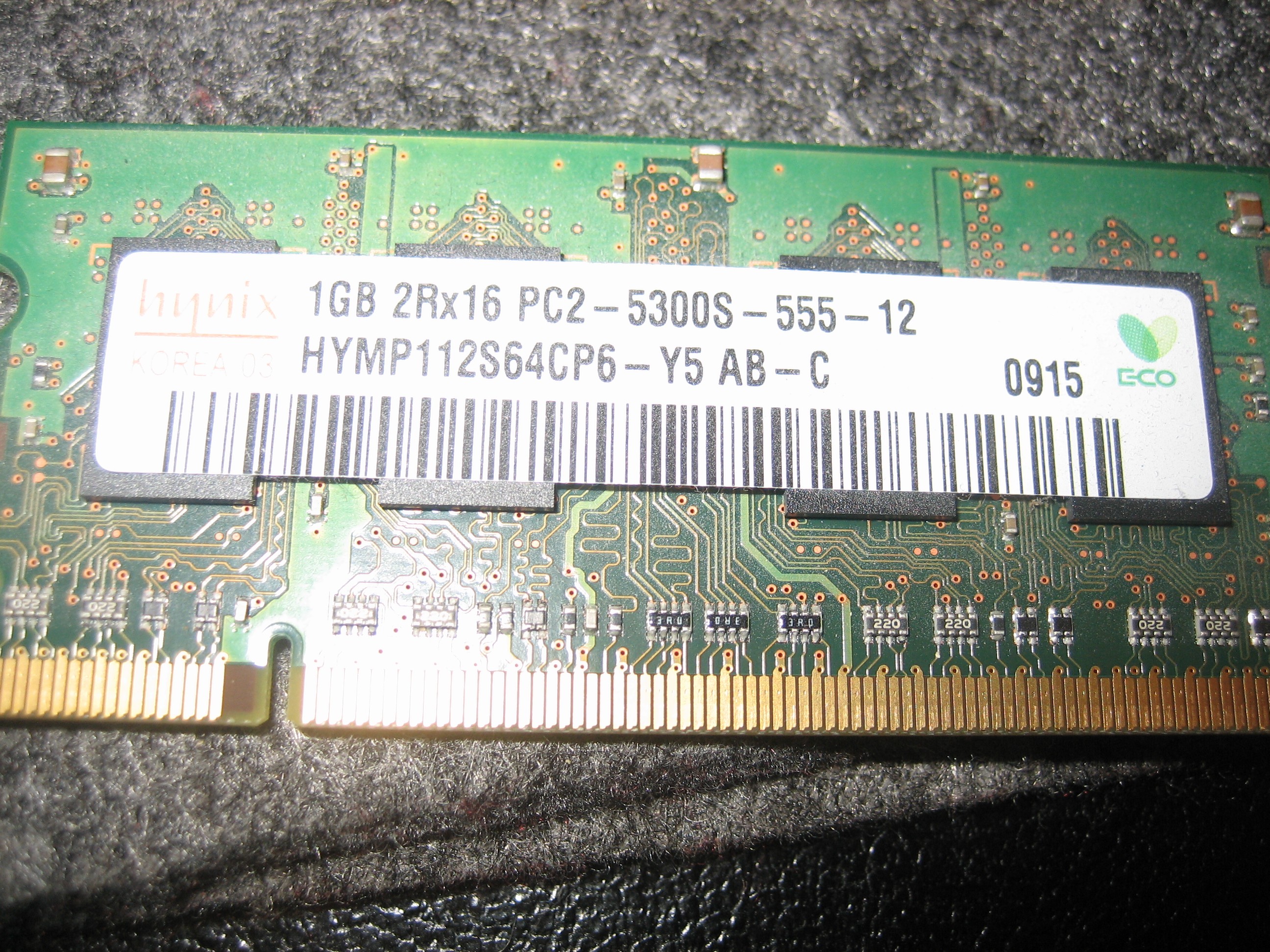
At the core of the recommended configuration lies an 8-core processor paired with 16 GB of DDR4 memory running at 3200 MHz or higher. Graphics-wise, a dedicated GPU from the GeForce RTX 30 series or AMD Radeon RX 6000 series is expected to deliver smooth gameplay at high resolutions and settings. Storage needs are modest by today’s standards, with a 512 GB NVMe SSD recommended for optimal load times and performance, though traditional HDDs remain viable for the minimum setup.
- Minimum Requirements:
- OS: Windows 10 (64-bit)
- CPU: Quad-core processor
- RAM: 8 GB DDR4 (2933 MHz)
- GPU: GeForce GTX 1650 / Radeon RX 5700 XT or better
- Storage: 256 GB HDD
The recommended system pushes further, calling for a more capable CPU and GPU to handle the game’s visual fidelity and features without compromise. This includes an 8-core processor and at least 16 GB of RAM, ensuring that multitasking and background processes don’t hinder performance. The choice of GPU is critical here, with NVIDIA’s RTX 30 series or AMD’s RX 6000 series leading the charge for ray tracing and advanced rendering techniques.
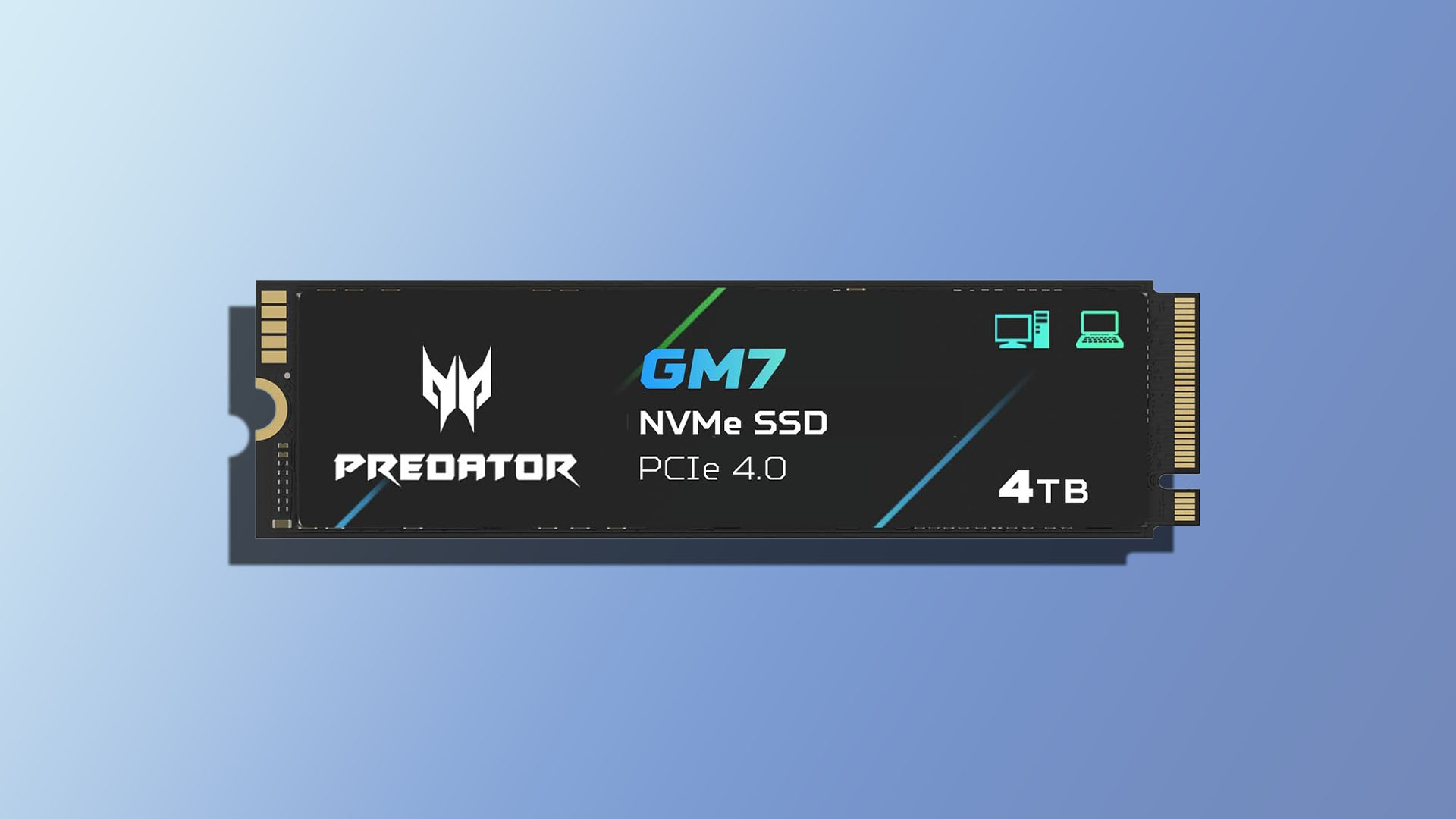
Storage options have also evolved, reflecting broader industry trends. While a 256 GB HDD suffices for the minimum requirements, the recommended setup leans toward a 512 GB NVMe SSD. This shift not only future-proofs the system but also aligns with the game’s likely need for faster data access as it scales to higher resolutions and frame rates.
For developers, these specifications act as a litmus test for how well current hardware can handle the game’s demands while leaving room for optimization. The balance between minimum and recommended setups suggests that even mid-range PCs from previous generations could run the game at acceptable settings, though with noticeable trade-offs in resolution or frame rate.
Looking ahead, players will want to keep an eye on how these requirements stack against upcoming hardware releases. With the next generation of GPUs already on the horizon, there’s potential for even more optimized performance, but for now, the bar is set at a level that challenges current mid-range systems while leaving room for those with deeper pockets.