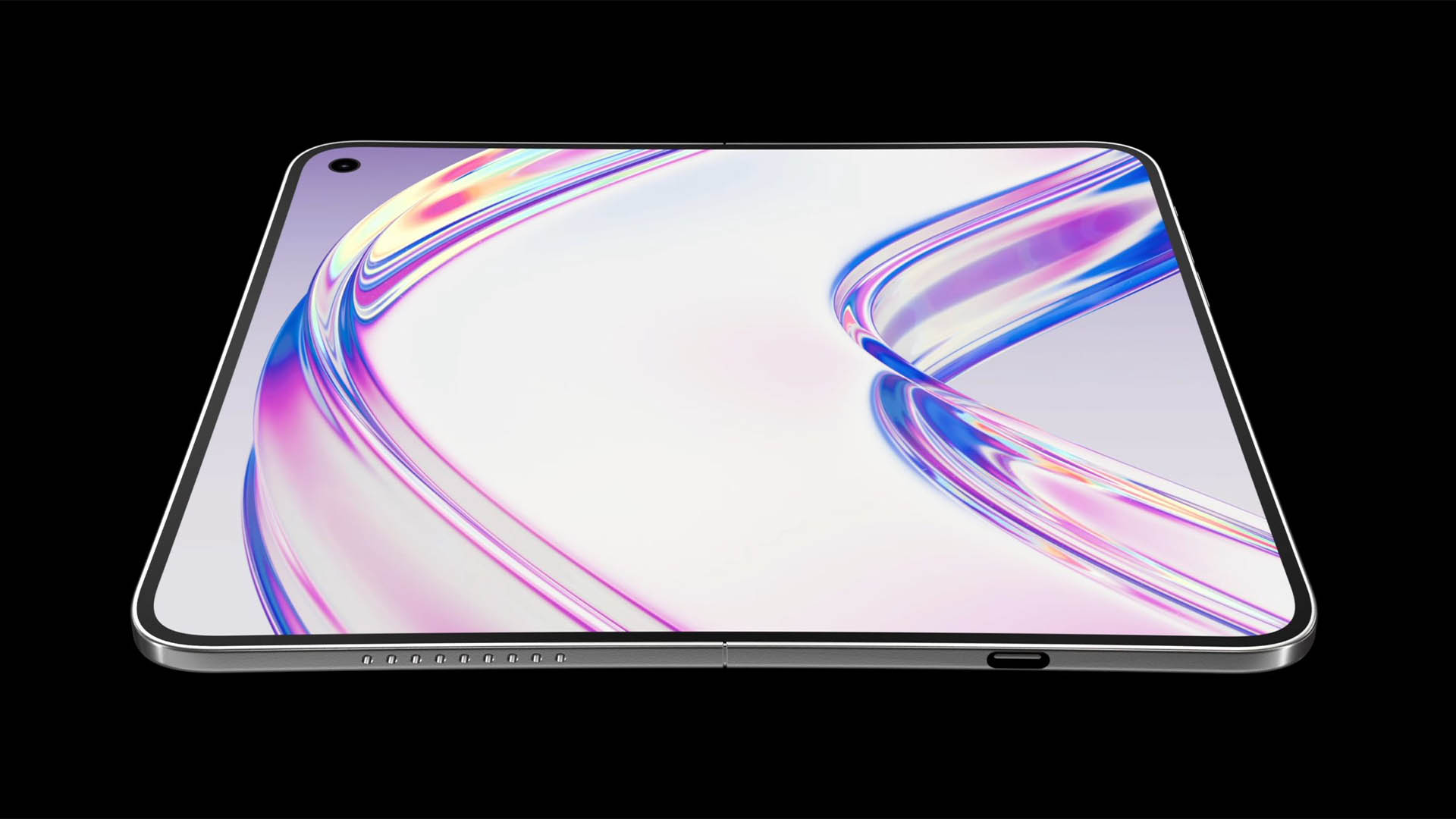
Apple’s foldable iPhone is set to redefine the boundaries of what a smartphone can achieve, particularly when it comes to balancing performance and power efficiency. Unlike previous attempts at foldable design, which often struggled with heat dissipation under load, this new device appears to have cracked the code on thermal management. The result? A system that not only sustains high performance but also maintains efficiency over prolonged use—a critical factor as AI workloads become more demanding.
Key Specifications
- Display: 7.8-inch foldable OLED with adaptive refresh rate (up to 120Hz).
- Chipset: Custom Apple silicon, estimated at a 3nm process node, optimized for power efficiency.
- RAM: 8GB LPDDR5X, designed to minimize power consumption under heavy loads.
- Storage: 256GB base model, with options scaling up to 1TB.
- Battery: 4,300mAh, engineered to retain capacity even when folded.
- Cameras: Dual 12MP rear (main + ultra-wide), 12MP front with enhanced low-light performance.
- Connectivity: 5G, Wi-Fi 6E, Bluetooth 5.3, USB-C for data and power delivery.
- Ports: USB-C (replacing Lightning), no headphone jack.
The specifications hint at a device that prioritizes efficiency without compromising on performance. The 8GB RAM, while not the largest in the market, is paired with software optimizations to reduce background noise—a common issue in foldables where multiple layers compete for resources. Meanwhile, the 3nm chipset suggests a focus on power efficiency, which could be a game-changer for AI tasks that require sustained performance without draining the battery.
Thermal management takes center stage with this device. Early engineering tests indicate a combination of vapor chamber cooling and active thermal regulation—likely involving liquid metal—to keep temperatures stable during extended workloads like video rendering or AI model inference. This isn’t just about preventing overheating; it’s about ensuring that performance remains consistent over time, which is essential for users who rely on their phones for data-intensive tasks.
For developers and enthusiasts, this could mark a turning point in how foldables are perceived. No longer will they be seen as experimental or niche devices; instead, they’ll be judged on the same metrics as traditional smartphones: efficiency, longevity, and real-world performance. For everyday users, however, the question remains whether the trade-offs—such as a slightly heavier form factor or potential durability concerns with prolonged folding—are justified by the upgrade.
One unresolved question is how this thermal management system will perform under continuous heavy workloads in real-world conditions. Early prototypes show promise, but long-term battery life and performance stability remain to be confirmed. If Apple has indeed solved the complex challenge of thermal efficiency without sacrificing performance, this device could set a new standard for smartphones, particularly as AI workloads become more prevalent.
The most significant change here isn’t just the foldable form factor itself—it’s the shift in how smartphones are engineered to handle power and heat. This could redefine user expectations, pushing other manufacturers to prioritize efficiency and longevity in their designs. If successful, this device may not only be a milestone but also the blueprint for the next generation of smartphones.