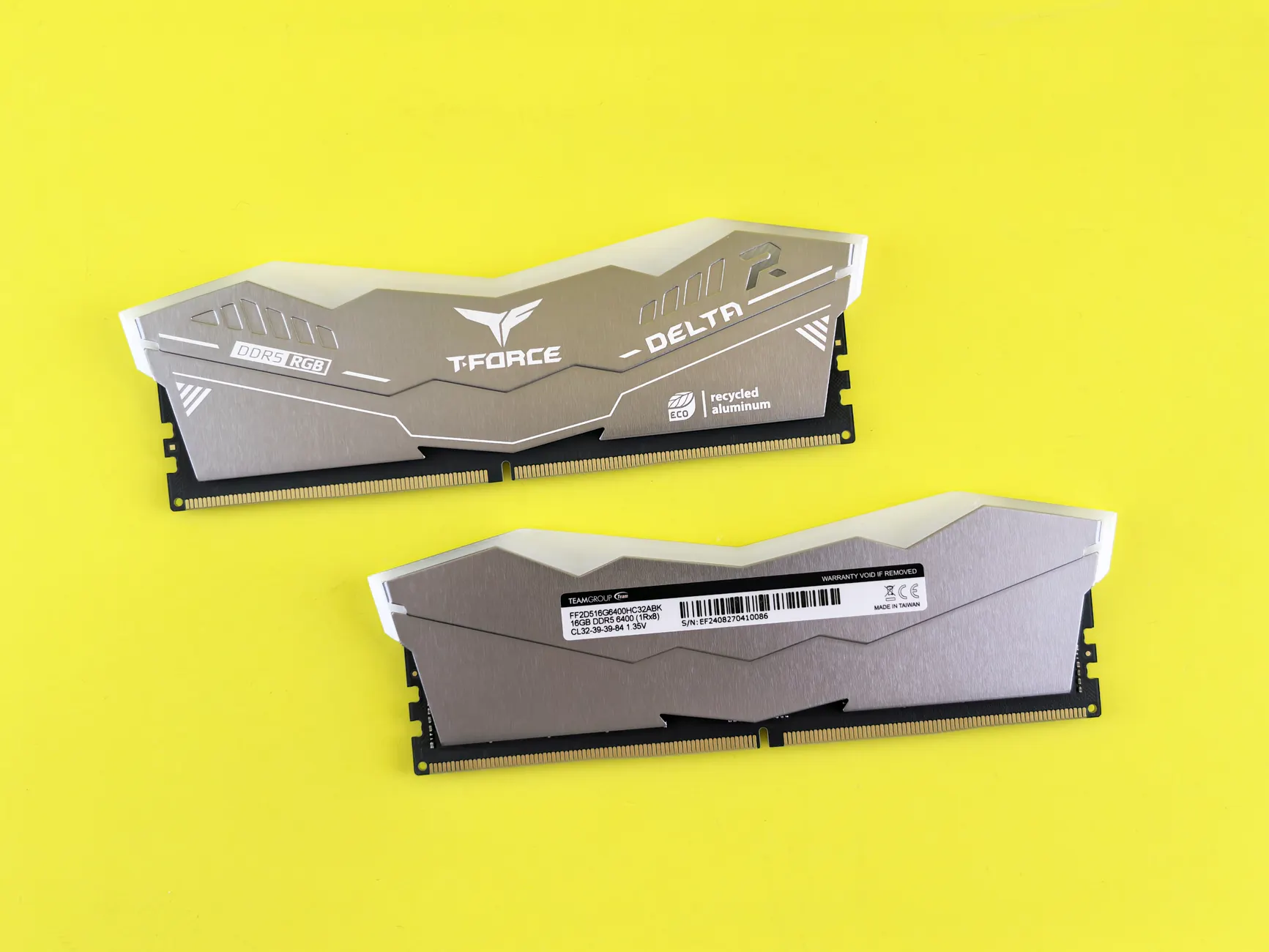
The tightest memory market in years isn’t just affecting high-end DDR4 modules—it’s pulling buyers back toward older generations like DDR2 and DDR3. With contract prices for legacy DRAM expected to climb another 35-40% by late 2026, the shift could change how power users approach their next build or upgrade cycle.
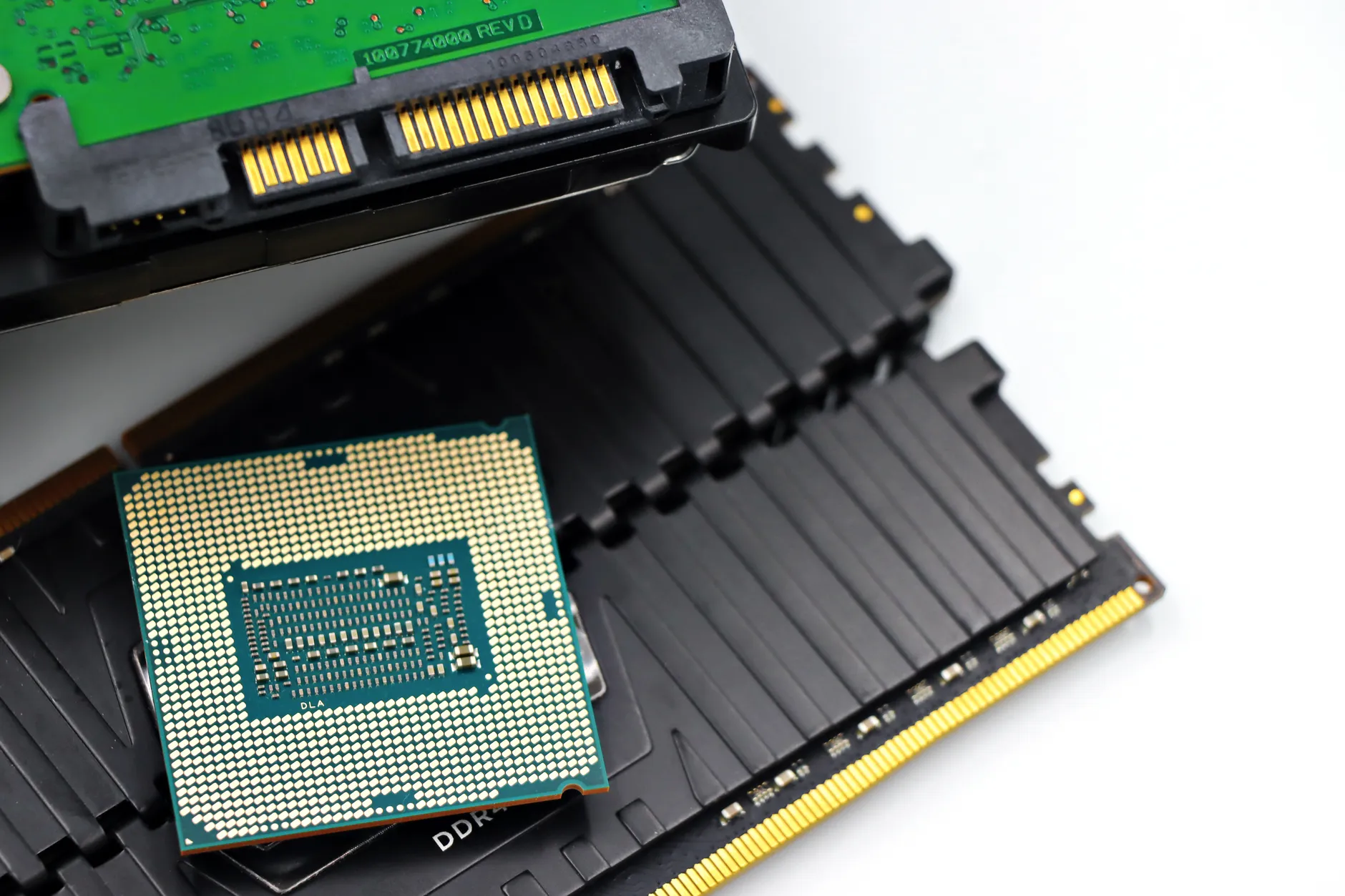
This isn’t just a blip; it’s part of a broader trend where advanced-node production is taking priority over mature memory. The three major DRAM suppliers are funneling capacity toward HBM and server-grade components to meet AI-driven demand, leaving less for consumer DDR4. That gap has given Taiwanese vendors like Nanya and Winbond significant leverage, allowing them to reduce output of lower-margin products while pushing prices higher.
For buyers, the immediate impact is a choice: stick with DDR4 at potentially inflated costs or downgrade to DDR2/DDR3 to secure supply. Some OEMs are already making that call, redesigning systems around older memory standards. But there’s a catch—Winbond is gradually exiting DDR2 production, which could tighten supply even further unless ESMT steps in to expand capacity.
Key takeaways
- DDR4 squeeze: Prices for consumer DDR4 have stabilized after a 2,200% surge, but shortages persist due to wafer reallocation toward HBM/server DRAM.
- Legacy rebound: DDR2 contract prices are projected to rise 35-40% in late 2026, with OEMs downgrading specs to control costs.
- Supply shift: Winbond is reducing DDR2 output, while ESMT aims to fill the gap—though long-term stability remains uncertain.
The real question for power users isn’t just whether to upgrade now or wait. It’s whether this memory crunch will last long enough to make legacy options a viable alternative—or if the market will stabilize before DDR2 becomes the only choice. For now, the math suggests that patience (or flexibility) may be the better strategy.