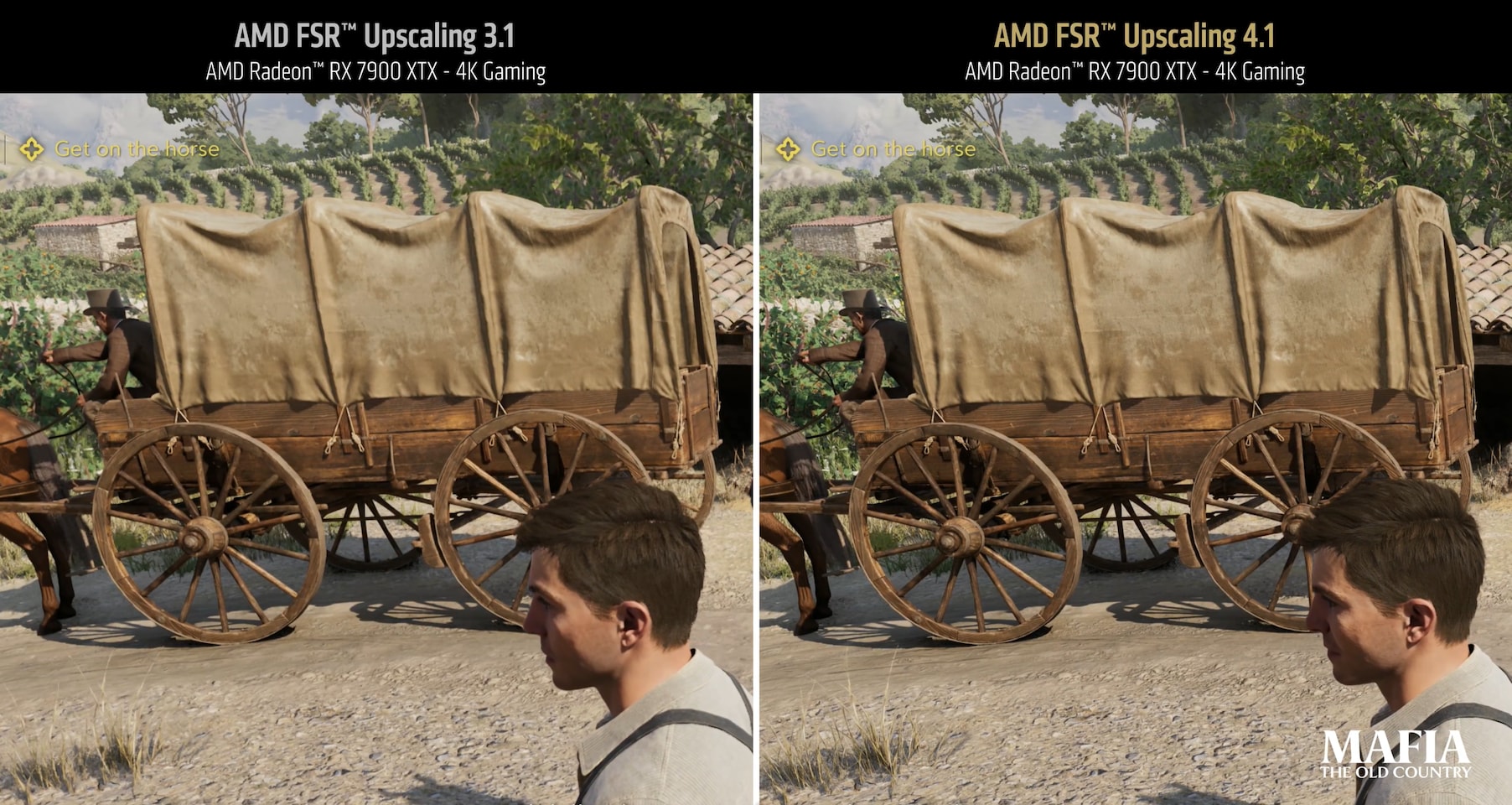
The introduction of FSR 4.1 for RDNA 3-based GPUs marks a significant milestone in AMD's ongoing effort to maintain parity across its GPU generations within the Windows platform. While RX 9070 XT cards have long enjoyed the benefits of this upscaling technology, the backporting to RX 7000 series hardware introduces new considerations for both developers and end-users. This update, delivered through Adrenalin Edition 26.6.2, extends FSR 4.1 support to all RDNA 3 GPUs, including the RX 7000 series, but does so with a technical challenge that could influence future software development strategies.
The core of this update lies in AMD's decision to adapt the FSR 4.1 algorithm for RDNA 3 hardware. Unlike its RDNA 4 counterparts, which natively support FP8 processing, RDNA 3 GPUs lack this capability. To address this, AMD has implemented an INT8-based model, a process that reportedly required extensive retraining to maintain visual fidelity without compromising performance. This approach ensures that RX 7000 series users can now access the same upscaling benefits as their RDNA 4 counterparts, but with a different underlying implementation.
- Supported GPUs: Radeon RX 7000 series (RDNA 3)
- Key Feature: FSR Upscaling 4.1 with INT8-based model
- Performance Claim: Over 300 games supported, with visual fidelity parity to RDNA 4's FP8 implementation
- Driver Requirement: Adrenalin Edition 26.6.2 or later
The timing of this update raises questions about AMD's long-term strategy for its GPU ecosystem. While RX 9070 XT cards have had access to FSR 4.1 since earlier releases, the backporting effort for RDNA 3 hardware suggests a focus on maintaining compatibility with older generations. This pattern mirrors previous updates, such as FSR 3.1, which was initially limited to newer GPUs before being extended to older models. For PC builders, this means a tangible performance lift on supported titles, but also the need to consider whether investing in newer hardware, like RX 9070 XT cards with native FP8 support, is more beneficial.
Looking ahead, AMD has hinted at further optimizations for RDNA 3 APUs, promising 'lightweight machine learning models' to enhance performance on integrated graphics. However, the extent of these optimizations and their potential application to RDNA 3.5 remains uncertain. Recent leaks from Valve suggest that INT8-based FSR 4.1 runs smoothly on RDNA 3.5 chips, but AMD has not yet confirmed this information. This uncertainty adds a layer of complexity to the ecosystem, particularly as HDMI 2.1 adoption and next-generation architectures like RDNA 5 come into focus.
For now, the update represents a necessary step for current-generation GPUs, providing a performance boost that brings them closer in line with newer hardware. However, it also underscores the challenges of maintaining legacy support in an era where rapid technological advancements are the norm. As AMD continues to navigate this landscape, the focus will likely shift from bridging gaps between generations to preparing for the next wave of innovations, leaving users to weigh the benefits of current updates against the promise of future advancements.