Adobe’s latest Acrobat DC subscription tiers are designed around two distinct workflows: one that prioritizes speed and simplicity, the other that delivers a comprehensive toolkit.
The Standard DC plan, priced at $149.88 per year, offers a stripped-down experience focused on core PDF creation and editing tasks. It skips advanced features like batch processing, extended OCR, or customizable form fields, trading them for lighter system requirements—ideal for users who need basic functionality without unnecessary overhead.
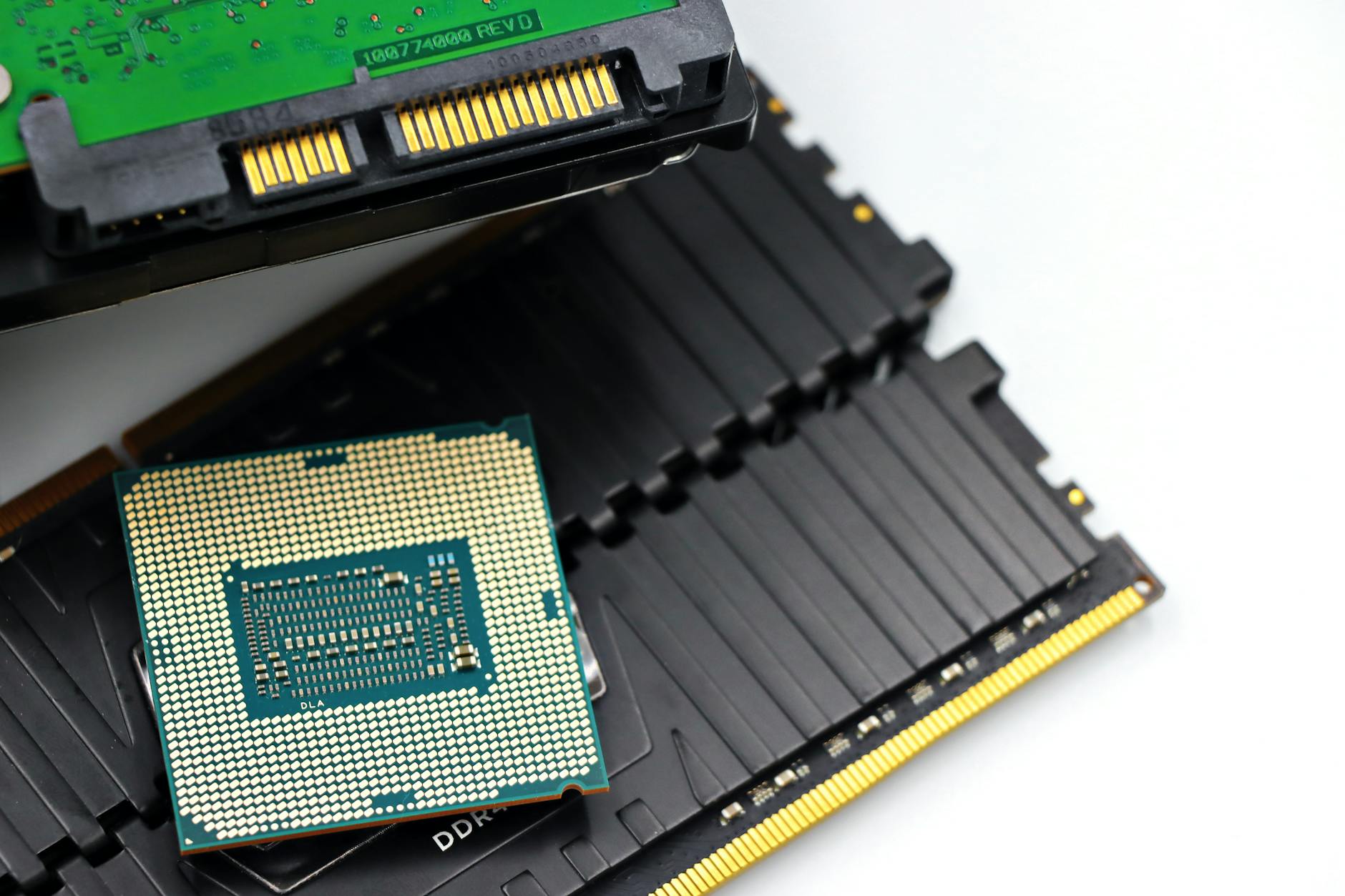
In contrast, the Pro DC plan at $239.88 per year unlocks a full suite of tools, including multi-page optical character recognition (OCR), advanced redaction, and customizable form templates. The tradeoff is higher system demands: 4 GB RAM minimum, 2.5 GB storage, and a 1.8 GHz quad-core processor. For creators handling large document volumes or complex workflows, the extra cost delivers measurable efficiency gains in processing time.
Day-to-day, users on the Pro plan notice smoother performance when working with scanned documents—OCR completes in seconds rather than minutes—but the difference is negligible for simple text-based edits. The choice between plans ultimately hinges on whether a user’s workload justifies the engineering tradeoffs behind Adobe’s feature split.
What remains confirmed: both tiers support real-time collaboration and cloud-based document sharing, with no plan offering significant advantages in this area. Unconfirmed is how future updates may balance feature depth against system requirements as Adobe refines its subscription model.