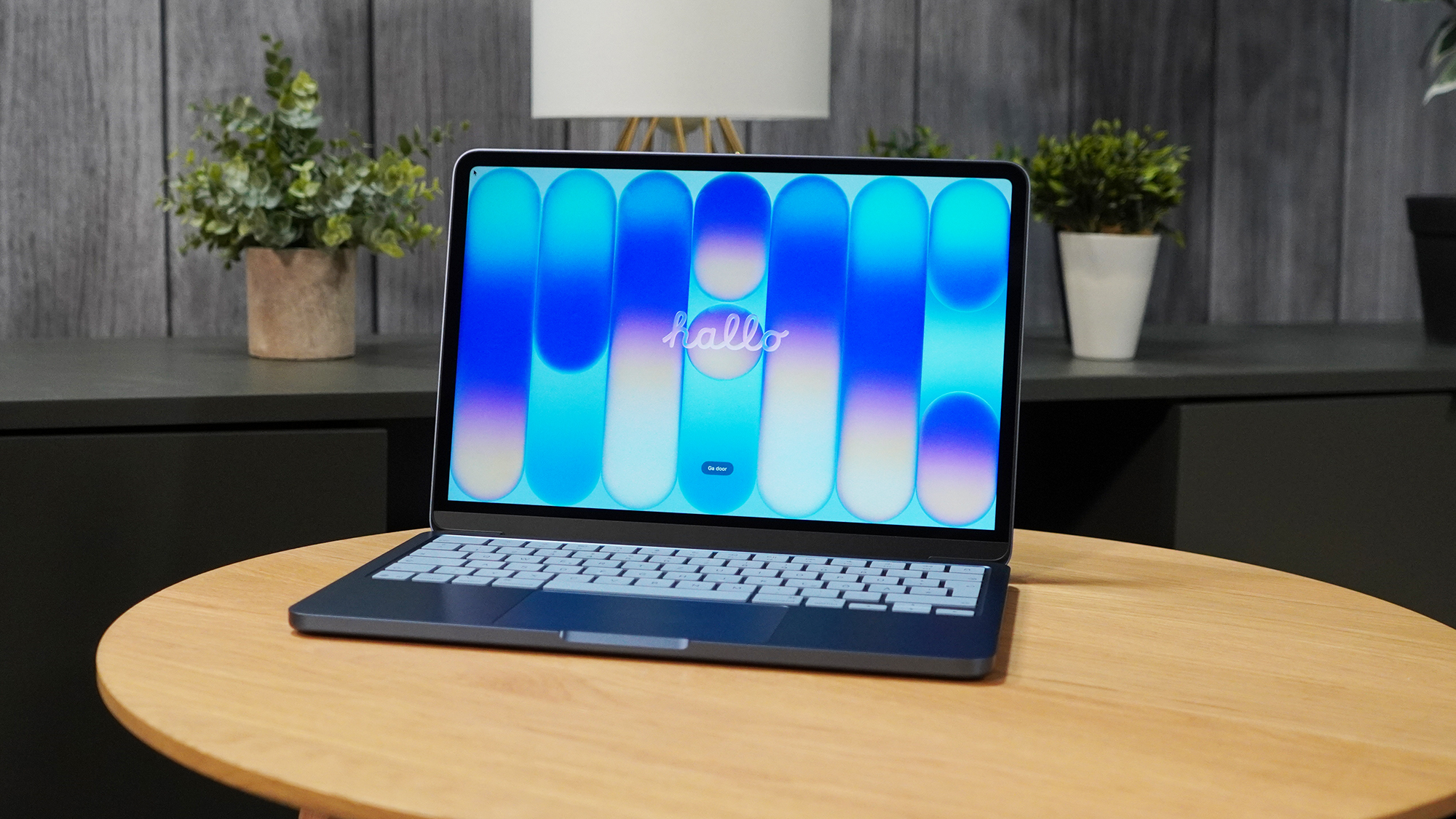
Gaming on Windows has long been a domain dominated by x86 processors, but Microsoft is now pushing the boundaries with its support for Arm-based systems. The company's recent rollout of the Xbox app to Windows on Arm PCs marks a significant shift, allowing users to download and play games locally rather than relying solely on cloud gaming. However, while this move represents progress, the reality remains far from revolutionary.
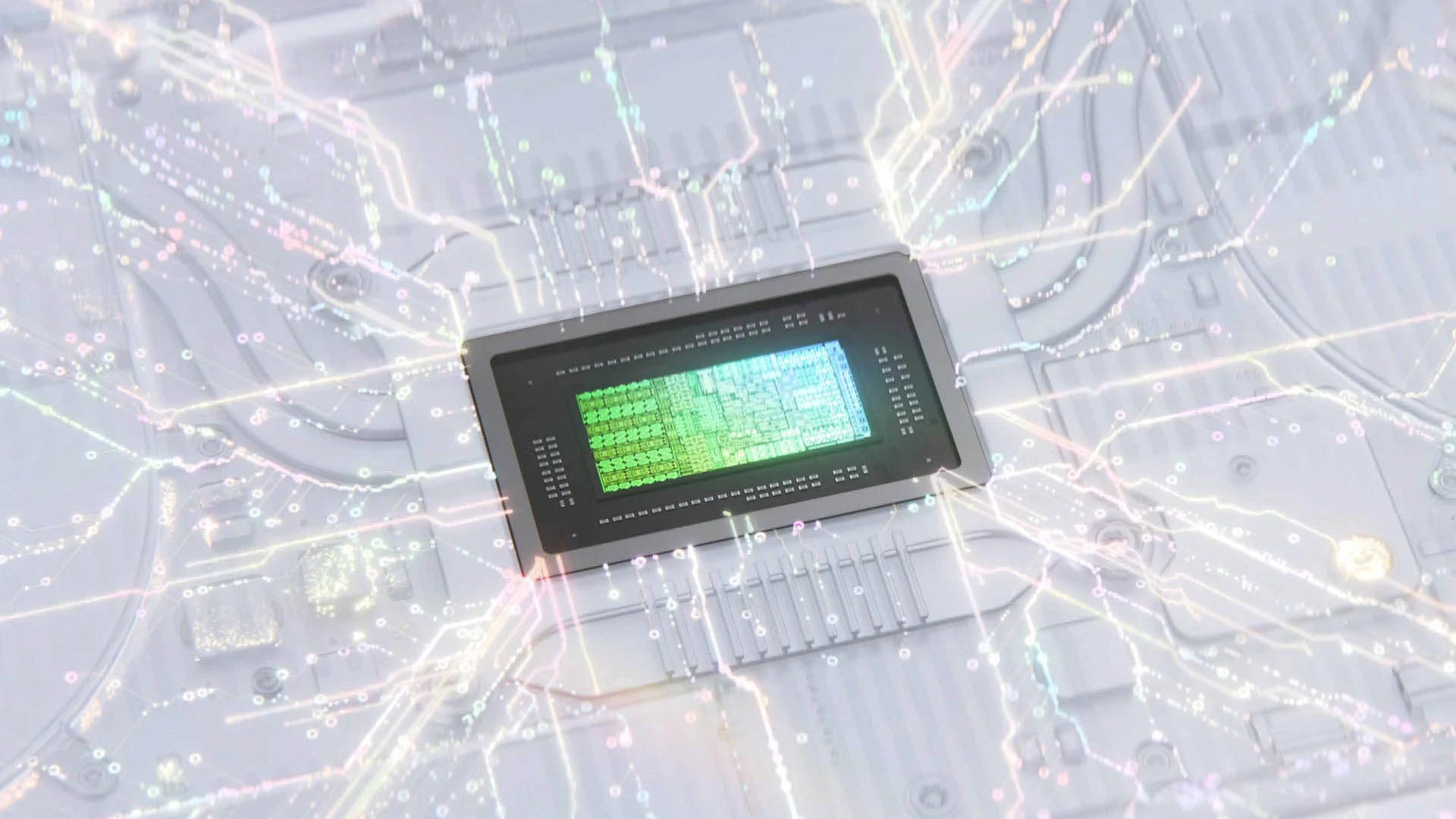
Qualcomm's Snapdragon X2 Elite processors, which power these new laptops, have shown impressive benchmarks in both CPU and graphics performance. The company claims that games can be played at 1080p with up to 60fps on lower settings, a feat that could potentially challenge traditional gaming laptops. Yet, despite these promises, testing reveals a landscape fraught with glitches and crashes, casting doubt on whether this platform is truly ready for prime time.
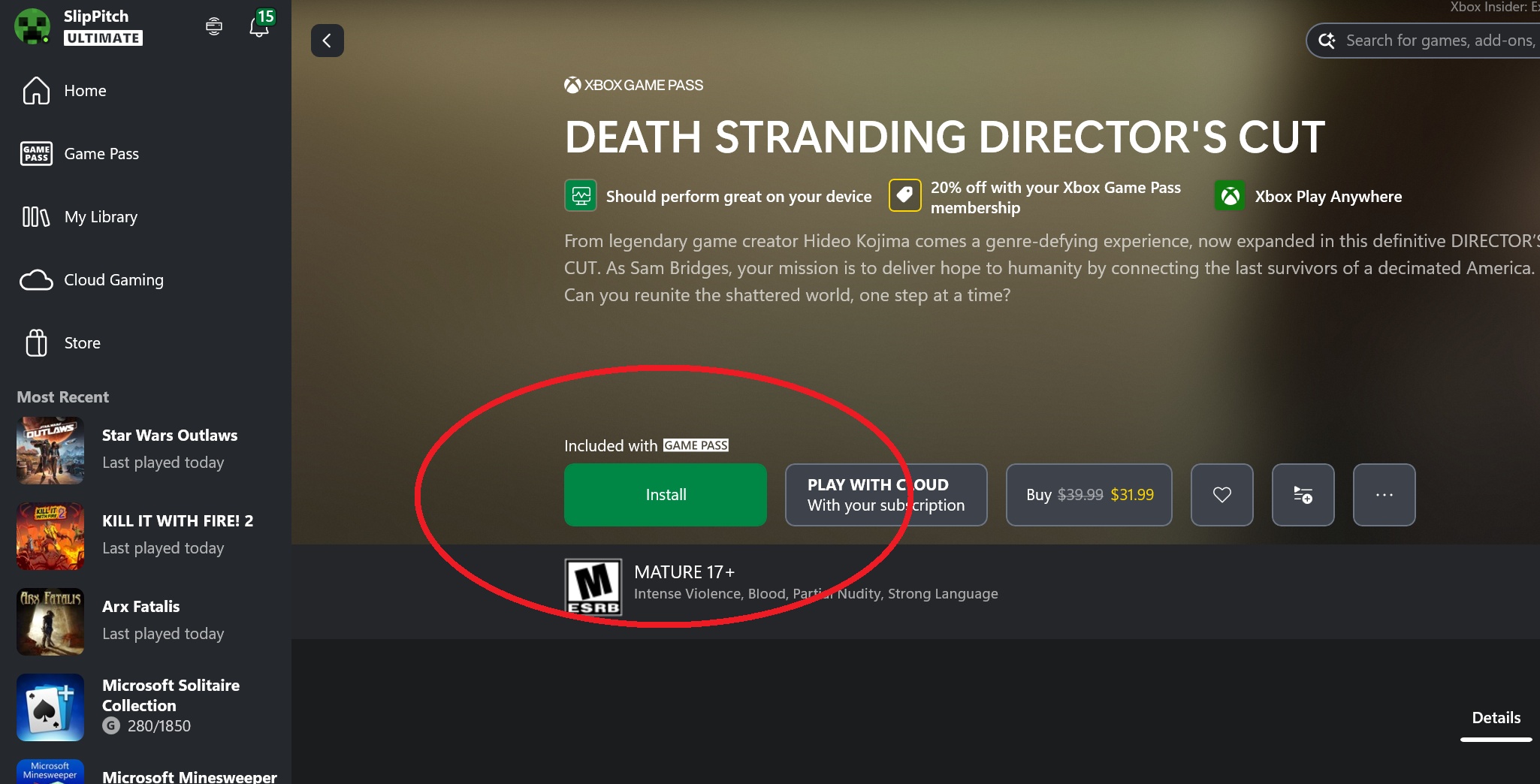
The transition from cloud-based gaming to local downloads is a notable advancement. Microsoft reports that 85% of Game Pass games are now installable and playable locally, a milestone that underscores the potential of Windows on Arm. This shift could open doors for users who have long been limited to cloud gaming, offering a more responsive and immersive experience. However, the practical application of this capability is marred by persistent issues.
For instance, games like Arx Fatalis and Kill It with Fire 2, which were tested on the new platform, exhibited significant problems. Arx Fatalis opened without sound and displayed an ugly black square around the cursor, while Kill It with Fire 2 crashed shortly after launching. Star Wars: Outlaws, despite being installable, refused to open, leaving users with a grayed-out play icon—a stark reminder of the challenges that lie ahead.
Qualcomm's Snapdragon Control Panel, designed to optimize game performance akin to Nvidia's GeForce Experience, offers a glimmer of hope. This tool aims to address driver issues and improve compatibility, which have historically been stumbling blocks for Windows on Arm. Yet, the effectiveness of this solution remains to be seen, as the platform continues to struggle with older printer drivers and utility apps, a problem that has persisted since the early days of Windows on Arm.
The Snapdragon X2 Elite processors, introduced last fall, have set new benchmarks in CPU performance, outpacing Intel's older chips. The subsequent release of the Snapdragon X2 Elite Plus at CES 2026 further solidified Qualcomm's commitment to this platform. However, the gap between theoretical performance and real-world application is widening, highlighting the need for more robust compatibility solutions.
Microsoft's push into Windows on Arm gaming is a step in the right direction, but it is not yet a revolution. The company has made significant strides in productivity applications, largely solving issues that once plagued this ecosystem. Yet, the journey to a fully functional gaming platform is far from over. The focus now shifts to Microsoft and Qualcomm to address these compatibility issues, ensuring that the promise of Windows on Arm gaming can be realized without the accompanying glitches.