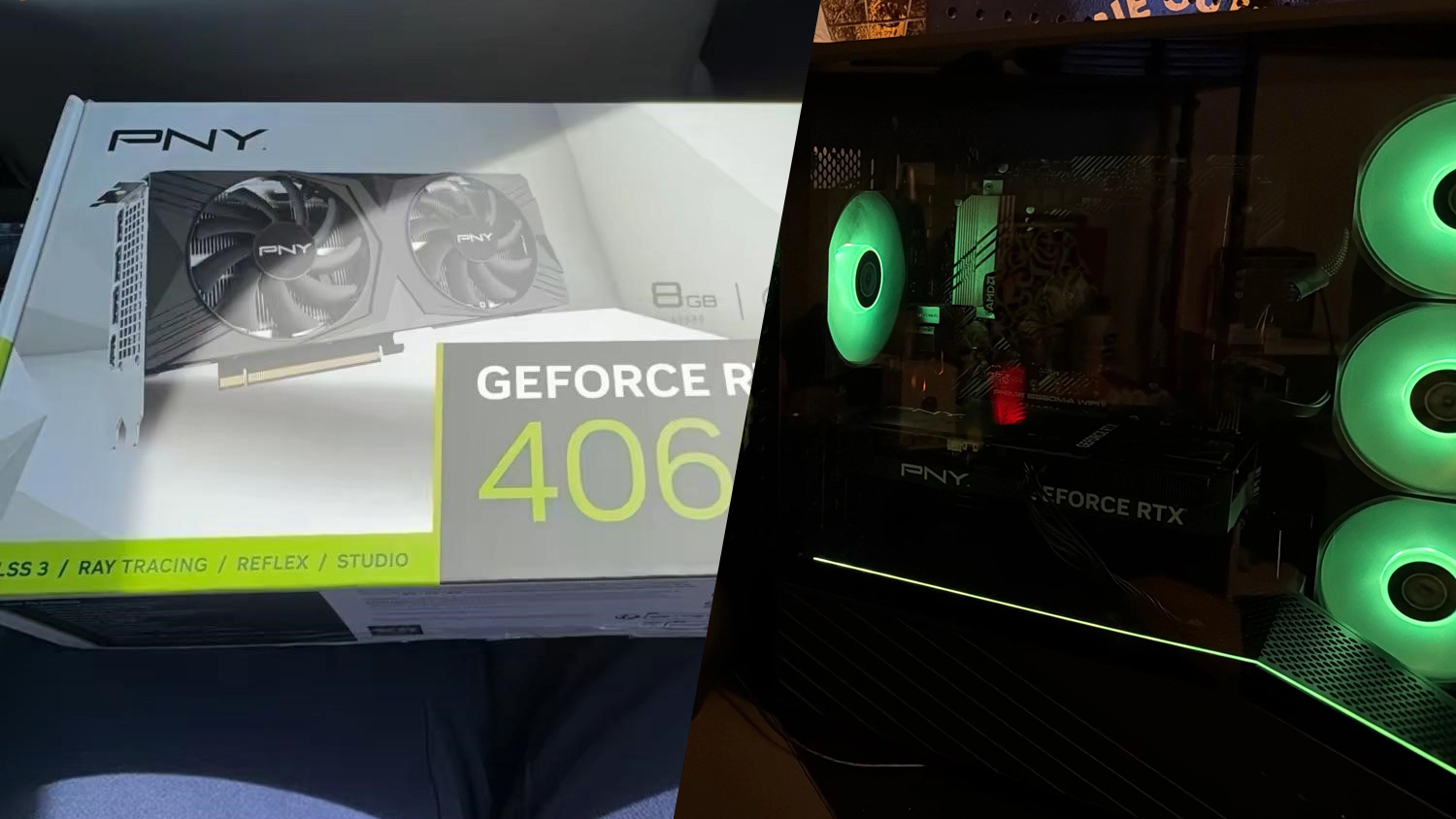
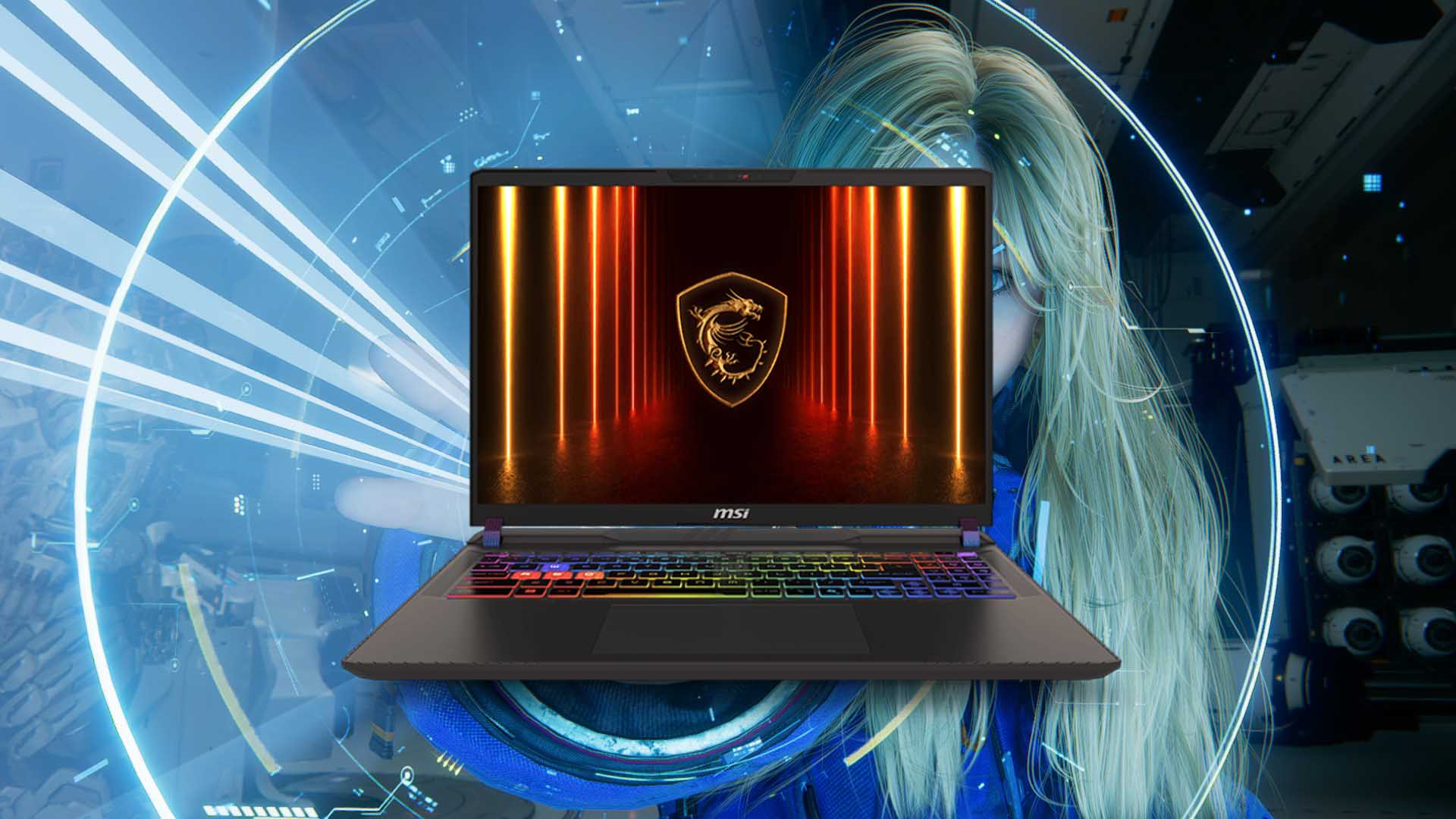
The Vector 16 HX is designed for those who need serious computational power without sacrificing portability. Its 12GB RTX 5070 Ti GPU is a standout feature, offering desktop-level performance in a mobile package. This configuration is particularly appealing to AI developers and data scientists who require substantial VRAM for training and inference tasks on the go.
Key specifications highlight its capabilities
- Display: 16.0-inch 3K (3840x2160) resolution OLED panel with a 165Hz refresh rate, covering 90% DCI-P3 and 100% sRGB color gamuts
- GPU: NVIDIA GeForce RTX 5070 Ti with 12GB GDDR6 VRAM, optimized for AI workloads through NVIDIA Optimus power management
- CPU/RAM: Up to 4800MHz dual-channel DDR5 memory (16GB standard), paired with a high-performance processor to handle demanding tasks
- Storage: 1TB PCIe 4.0 SSD with additional M.2 slot for expansion, ensuring fast data access and storage capacity
- Thermal Design: 90W TDP, balancing performance with thermal efficiency but still presenting challenges in sustained workloads
The OLED display is a significant upgrade over traditional laptop screens, delivering deeper blacks, more vibrant colors, and smoother visuals at high refresh rates. However, the real innovation lies under the hood—the RTX 5070 Ti’s 12GB VRAM is a rare find in mobile devices, making it a strong contender for AI-related tasks such as model training and large-scale data processing.
While the Vector 16 HX excels in performance, thermal management remains a critical consideration. The 90W TDP helps mitigate heat buildup compared to traditional gaming laptops, but prolonged workloads can still push the system’s limits. Battery life, though improved, is expected to last around 4-5 hours under typical usage, which may not be sufficient for an entire workday without external power.
This laptop represents a shift in how mobile AI workstations are being designed. By integrating high-end components into a portable chassis, MSI addresses the growing demand for powerful computing outside traditional lab environments. However, future iterations will need to focus on refining thermal efficiency and battery life to fully meet the needs of professionals who rely on these devices daily.
The Vector 16 HX doesn’t just set a new benchmark—it redefines what’s possible in mobile AI computing. While it has its limitations, it serves as a proof-of-concept for how far we can push performance without completely sacrificing portability. For those willing to accept these trade-offs, it offers a glimpse into the future of data-centric workloads on the go.