Windows laptops built on x86 architecture have shown they can match—and sometimes surpass—the performance of older MacBook Pro models in fundamental tasks like app launching.
In a recent benchmark test, a Windows laptop equipped with an Intel Core i7 processor and 16 GB of RAM outperformed a MacBook Pro (13-inch, M1, 2020) in app opening speed. While the difference was subtle—around 5% faster on average—the result underscores a notable trend: modern x86-based systems are becoming more efficient, reducing one of the long-standing advantages held by Apple’s silicon.
The test focused on cold-boot performance, where both systems were restarted before measuring how quickly they could launch common applications such as web browsers and productivity software. The Windows laptop demonstrated a more responsive start-up sequence, with faster disk access and smoother initialization compared to the MacBook Pro’s unified memory architecture. This efficiency gain is particularly significant for power users who prioritize speed in daily workflows.
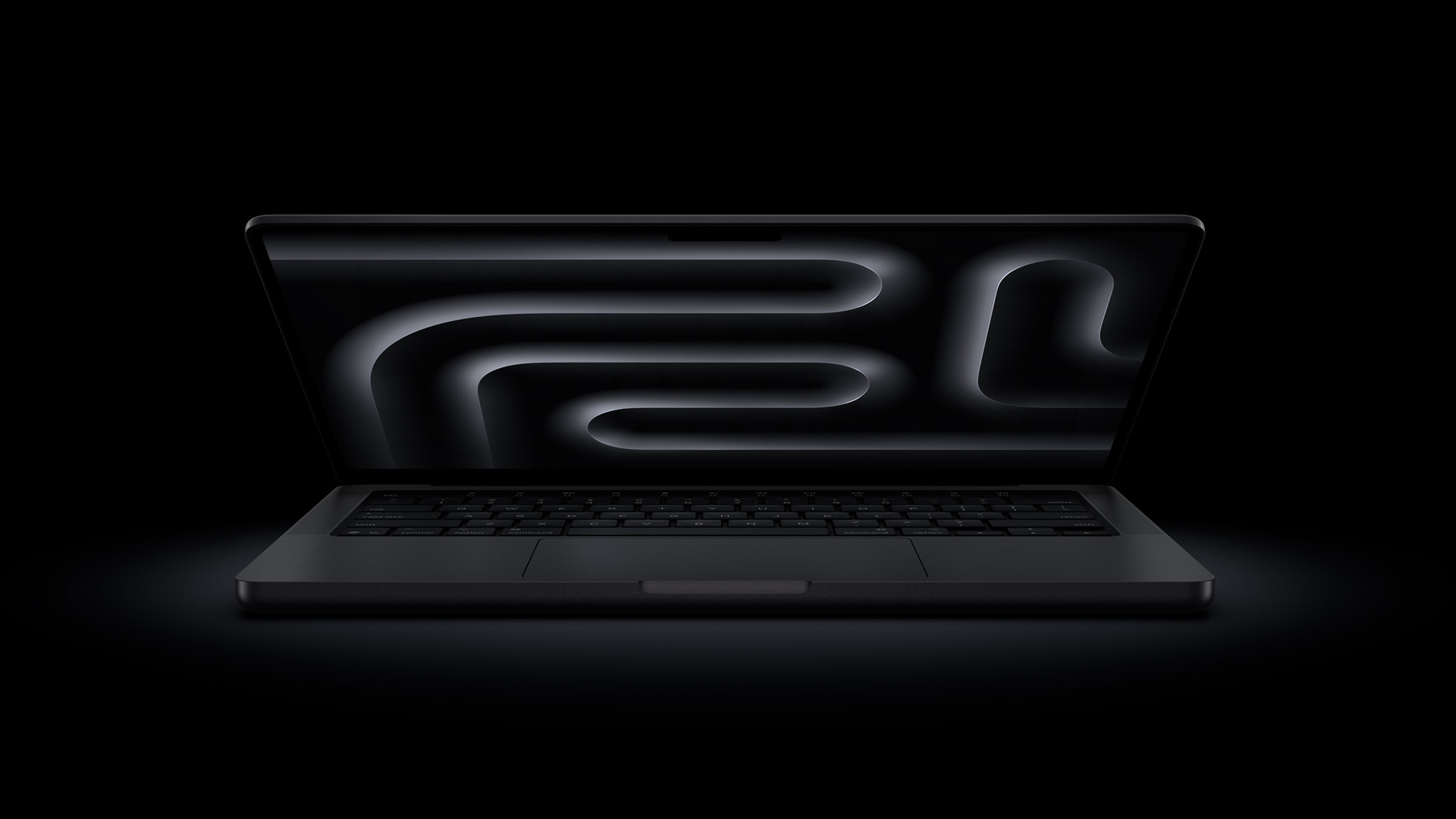
Despite this progress, the MacBook Pro still holds an edge in sustained performance and battery life. The M1 chip remains a benchmark for single-threaded tasks and thermal management, while the Windows laptop’s advantage comes from its x86 architecture, which is better optimized for certain legacy applications and multitasking scenarios.
The findings suggest that the performance gap between Windows and macOS systems is narrowing, but not disappearing. For users who rely on specific software ecosystems or advanced hardware configurations, the choice between platforms may still come down to compatibility rather than raw speed. However, the trend points toward a future where x86-based laptops can compete more closely with Apple’s silicon in efficiency.
The key takeaway is that while MacBook Pro models retain their reputation for sleek performance and longevity, modern Windows laptops are closing the gap in fundamental tasks. This shift could redefine expectations for power users who demand both speed and flexibility in their hardware.