Windows updates are rare, but signs point to 2026 as the year Microsoft releases its next major operating system. Windows 12 is shaping up to be a fundamentally different experience—one that prioritizes flexibility, AI integration, and seamless cross-device functionality.
The core architecture, codenamed 'CorePC,' aims to unify desktop, mobile, tablet, and gaming environments under a single framework. This modular approach could enable Microsoft to tailor Windows more precisely for specific use cases, including hybrid cloud-local computing setups. For gamers, tighter Xbox integration is expected, though the extent of those changes remains unclear.
The interface is set to undergo one of the most noticeable shifts in Windows history. A floating taskbar with transparent glass effects and rounded corners will replace the traditional bar, drawing comparisons to macOS’s Dock—though functionality may differ significantly. The system tray and clock are rumored to move to the top-right corner, while a Copilot-powered search bar will sit at the top of the screen, emphasizing AI-driven navigation.
isn’t just an optional feature in Windows 12; it’s foundational. Unlike Windows 11, where AI elements were added on, Windows 12 is said to embed Copilot+ deeply across the OS. This could improve search functionality with semantic queries—allowing users to find files without knowing exact names—but also raises concerns about hardware requirements.
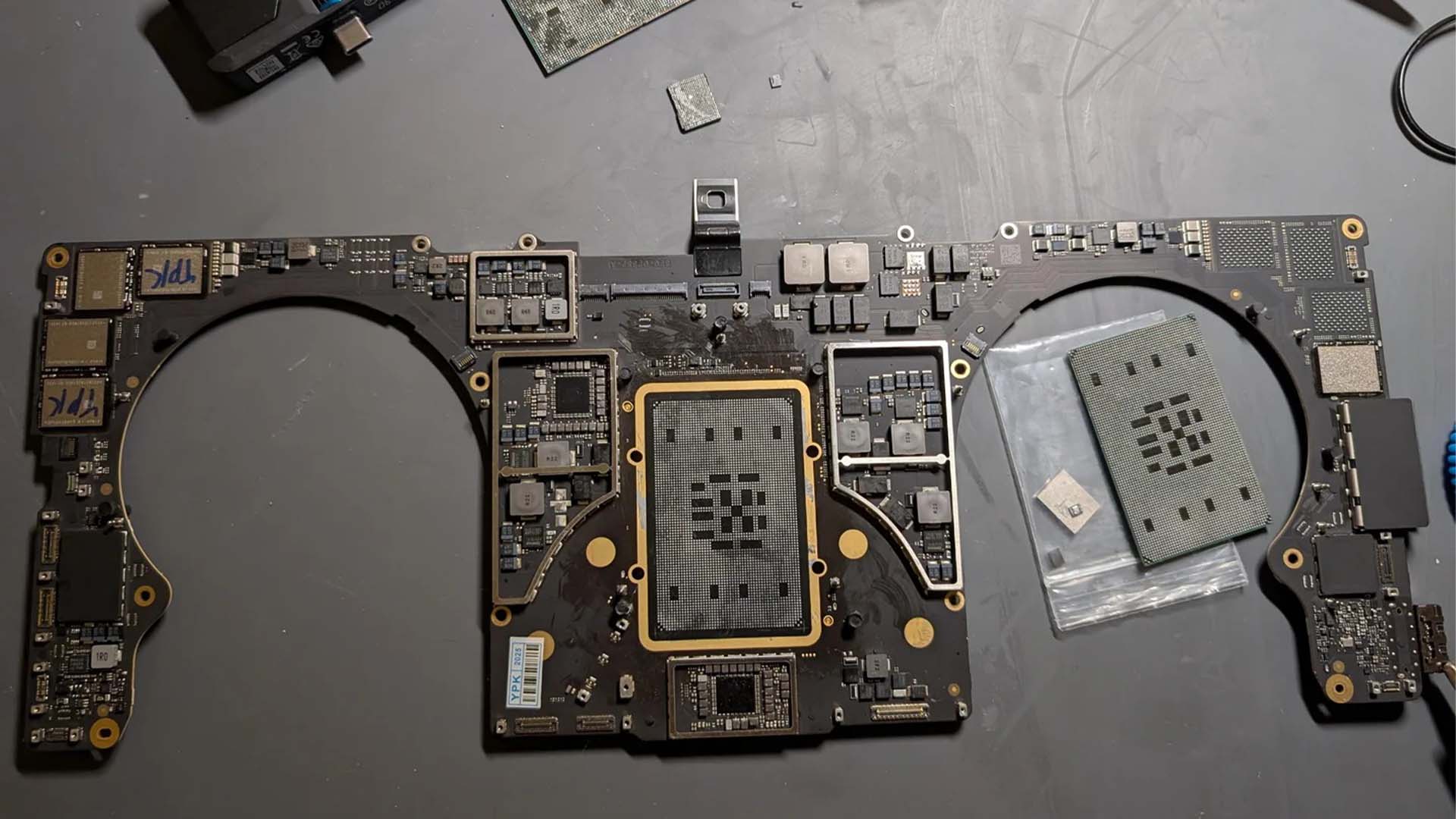
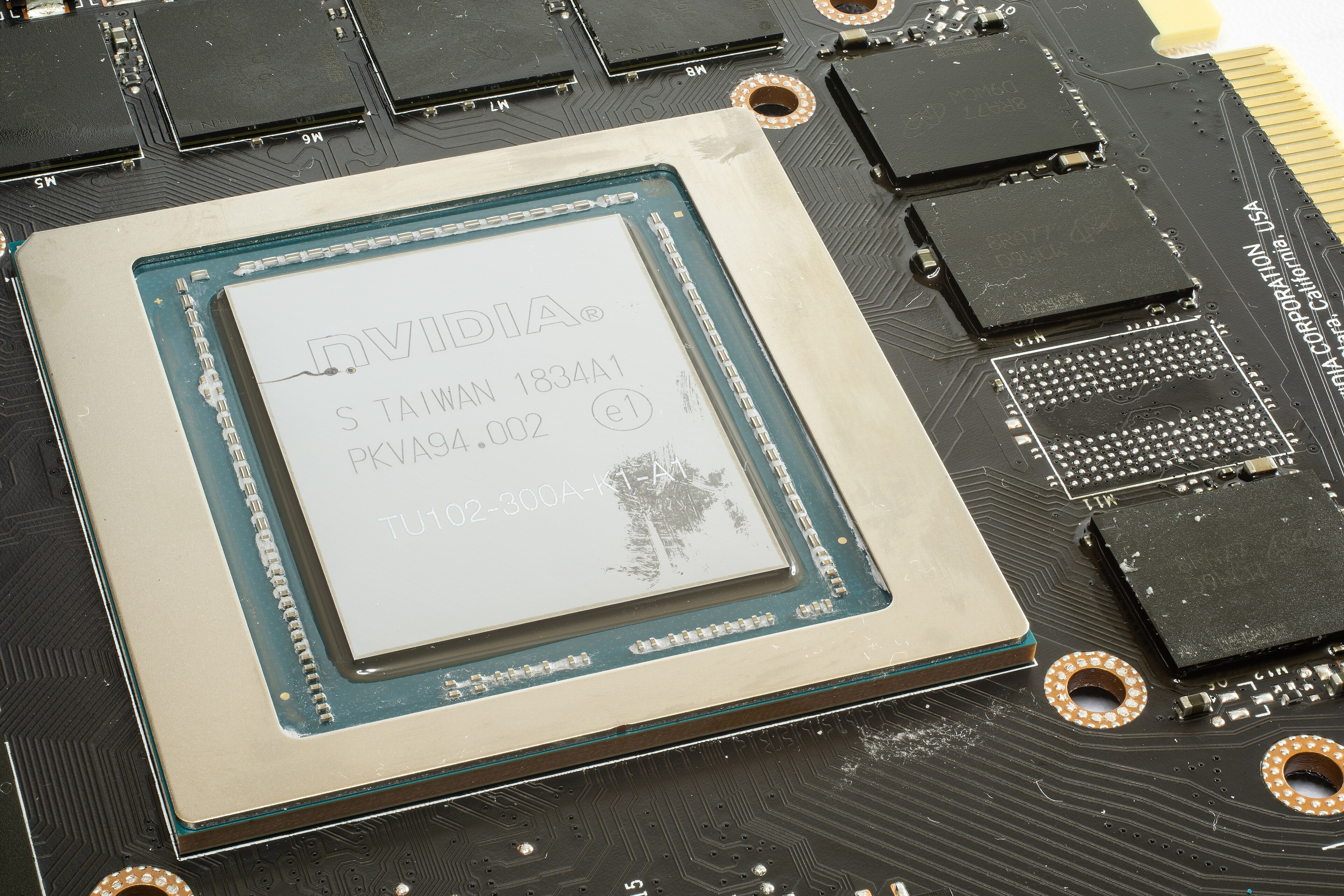
One major question is whether Windows 12 will demand specific hardware, particularly a Neural Processing Unit (NPU) capable of at least 40 TOPS. Current Intel Arrow Lake CPUs max out at 13 TOPS, and AMD’s desktop processors lack NPUs altogether. If Microsoft enforces this requirement, Windows 12 could become inaccessible for many users, limiting its adoption to high-end devices.
Other rumored features include better power management, improved touch support, and deeper Xbox integration. However, the true impact of these changes won’t be clear until a release date is confirmed—rumors suggest late this year, but no official announcement has been made.
For buyers, the biggest uncertainty remains availability. If Windows 12 sticks to strict hardware requirements, it could leave many users waiting for compatible systems. Meanwhile, those skeptical of AI integration may opt to stick with Windows 11 until clearer options emerge.