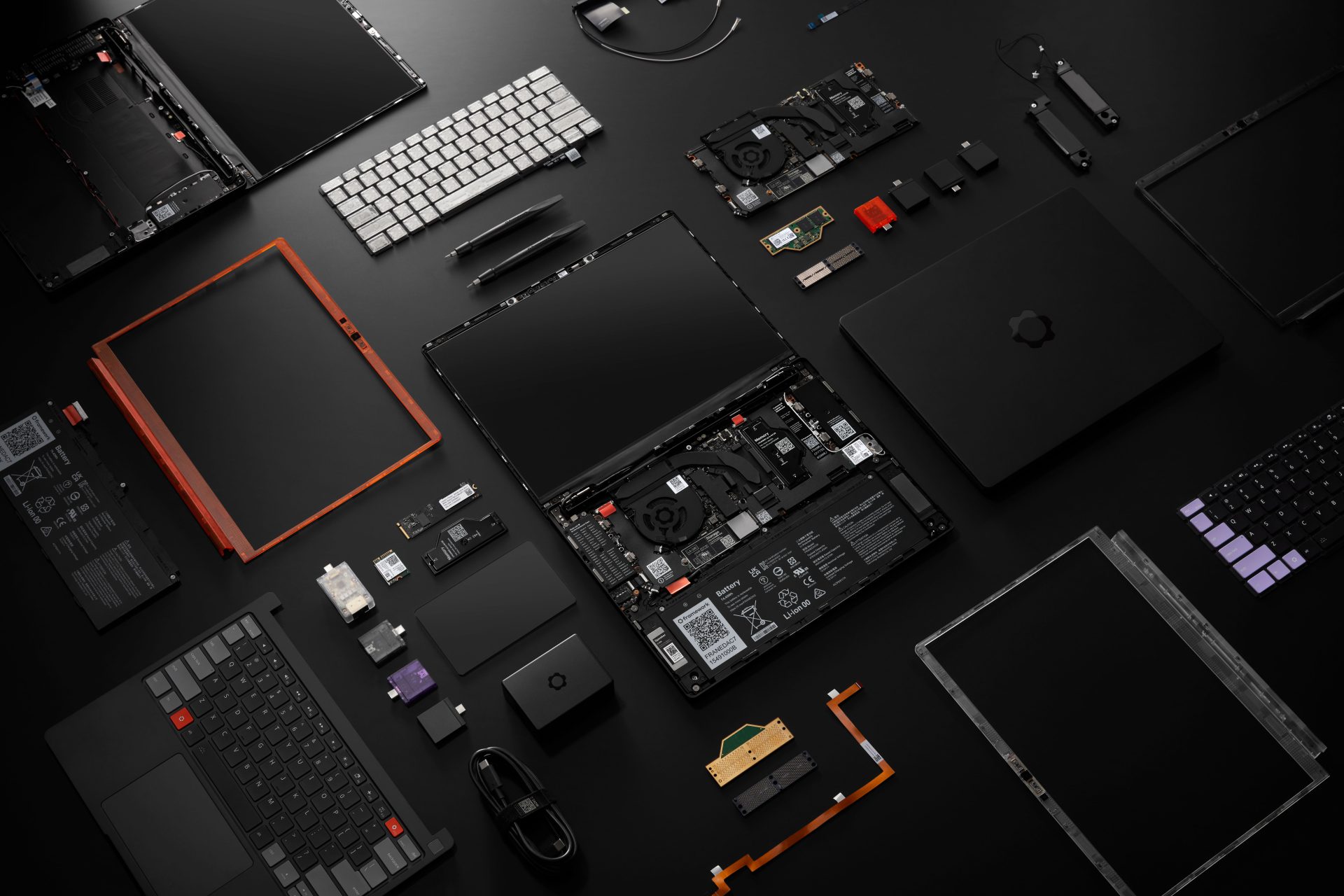
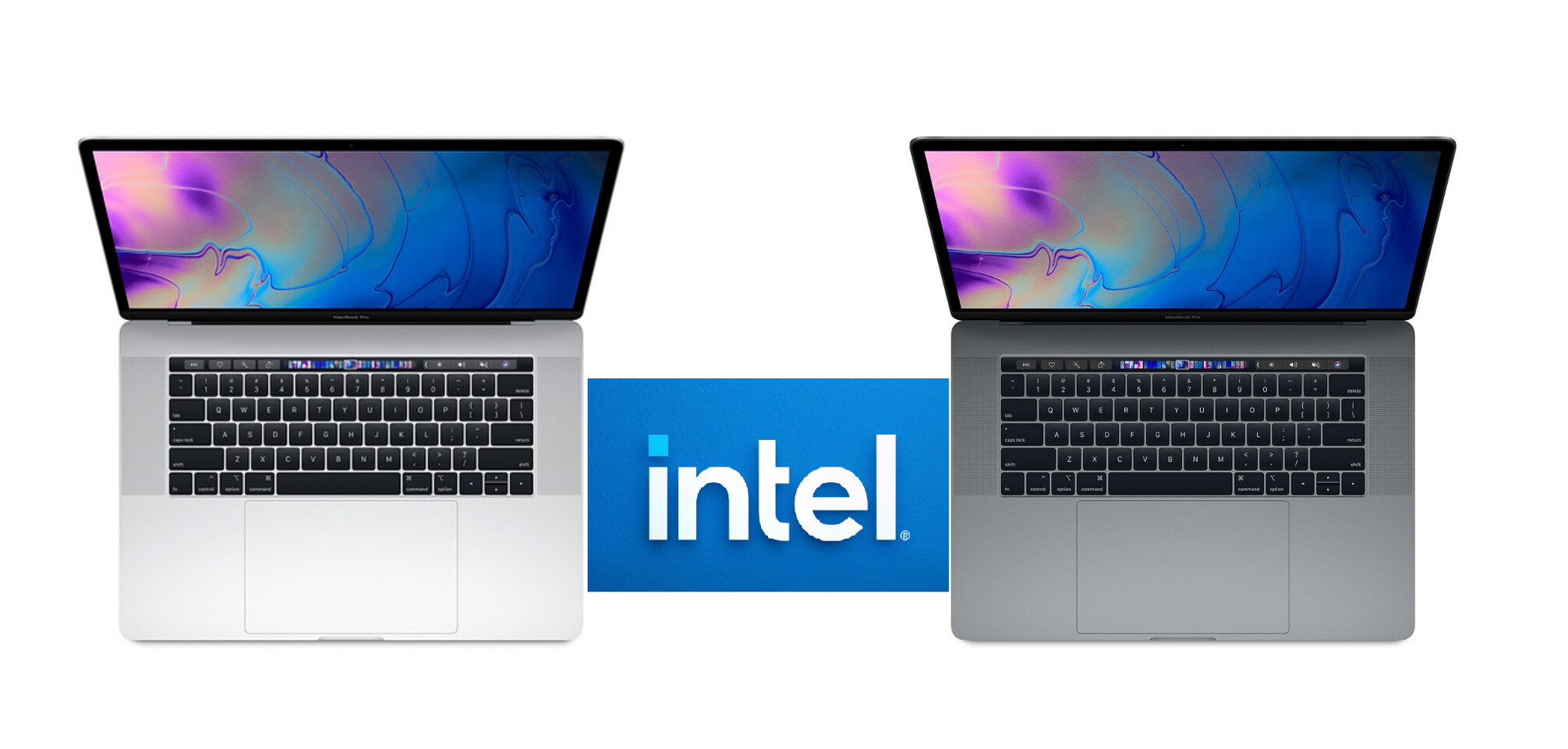
The Framework Laptop 13 Pro represents a major evolution for the modular laptop line, balancing power efficiency with the ability to swap components long after purchase. Its shift to Intel's Core Ultra Series 3 processors—featuring a tiled architecture across multiple dies—and the new LPCAMM2 memory format allows users to pair high performance with upgrade paths that were previously rare in the industry.
At its core, the 13 Pro addresses the long-standing tradeoff between battery life and repairability. Previous generations of Framework laptops already stood out for their serviceability, but this model takes it further: a 74Wh battery (22% more capacity than before) paired with low-power efficient cores can deliver over 20 hours of 4K video streaming—outperforming some 14-inch competitors. The same tiled architecture that enables those gains also supports PCIe 5.0 storage, Wi-Fi 7, and Thunderbolt 4 expansion cards, ensuring the laptop remains future-proof.
Key specs
- Processor: Intel Core Ultra Series 3 (Core Ultra 5 / X7 / X9)
- Memory: LPCAMM2 modules (16 GB, 32 GB, 64 GB LPDDR5X; up to 7467 MT/s)
- Storage: M.2 2280 PCIe 5.0 NVMe (up to 8 TB, 14,000 MB/s read/write)
- Display: 13.5-inch 3:2 (2880×1920), 1800:1 contrast, 30–120 Hz variable refresh, in-cell touch
- Battery: 74 Wh (850 Wh/L energy density, up to 80 % capacity after 1,000 cycles)
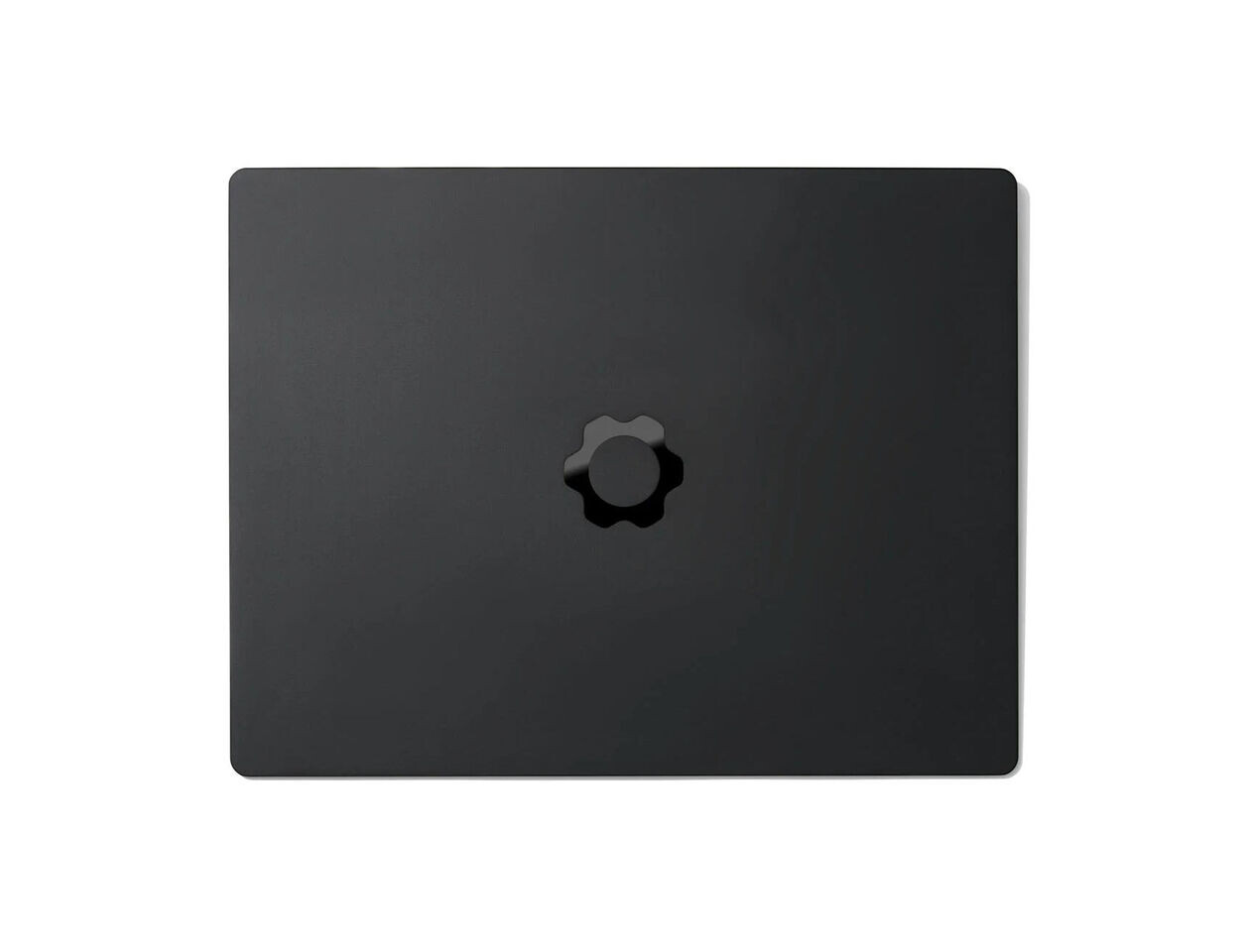
- Chassis: Full CNC 6063 aluminium, 1.4 kg, 15.85 mm thick
- Ports & I/O: Four Thunderbolt 4 interfaces (via Expansion Card slot), Wi-Fi 7, Dolby Atmos speakers
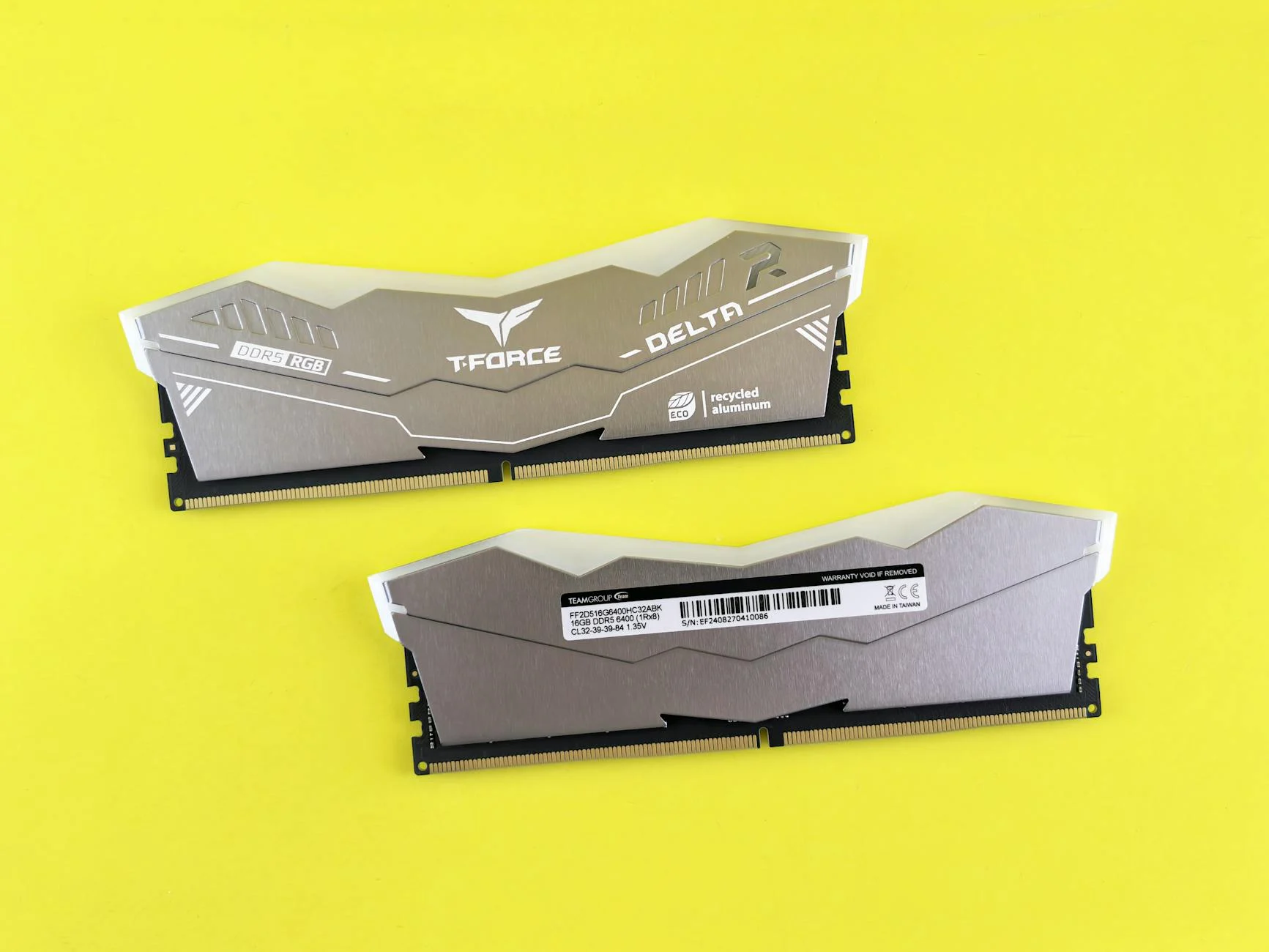
The LPCAMM2 memory format is particularly noteworthy: it crams high-bandwidth LPDDR5X into a replaceable module while maintaining signal integrity through a compression interposer. That means users can start with 16 GB and upgrade to 32 or 64 GB later—something DDR5 has never reliably supported in the upgradeable laptop space.
Who benefits—and who won’t
The 13 Pro is built for users whose workflows demand both longevity and raw performance. Developers, data scientists, and power users who need to swap RAM or storage every 1–2 years will find the LPCAMM2 and PCIe 5.0 slots a rare advantage over sealed competitors. The display’s 3:2 aspect ratio, 1800:1 contrast, and in-cell touch also cater specifically to coding and productivity tasks where screen real estate matters more than entertainment.
On the other hand, casual users or those who prioritize thin-and-light portability above upgrade paths may find little reason to switch. At 1.4 kg with a 15.85 mm profile, it’s not the lightest or thinnest laptop on the market; its strength lies in what you can do after you buy it rather than how it feels in your bag.
What stays the same
The Framework philosophy remains unchanged: every major component—battery, mainboard, display—is designed to drop into previous generations. That cross-generation compatibility means existing 13-series owners can upgrade their battery or even swap out the entire chassis without losing compatibility with aftermarket parts they’ve already sourced.
Pre-orders open at $1,199 (DIY Edition) and $1,499 (pre-built), with first shipments expected in June. The 13 Pro is available with Windows 11 or pre-loaded Ubuntu, marking the first Ubuntu Certified system in the line.