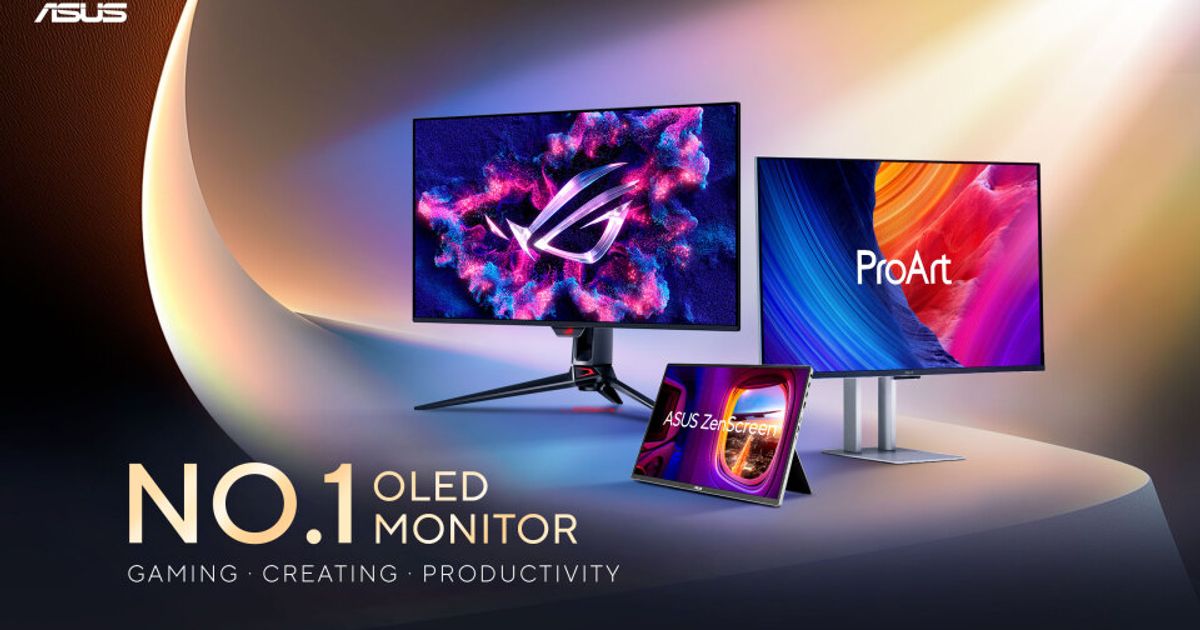
For buyers weighing an upgrade from a previous ASUS OLED monitor, the decision isn't just about resolution or features—it's about how much performance actually improves and whether the price gap justifies the jump. The latest models push brightness to 1000 nits while refining color accuracy, but supply chains remain tight, leaving timing and cost as open questions.
The shift toward OLED monitors has been rapid, yet ASUS's dominance in this segment isn't a given for every user. Those already invested in earlier generations may find the incremental gains worth it, but those on the fence should consider whether they're upgrading to keep pace or simply chasing the latest marketing claims.
What’s Different This Time
The new ASUS OLED monitors introduce two key changes: a brightness boost and more precise color reproduction. Brightness climbs from 500 nits in older models to 1000 nits, a noticeable jump for content creators or those working with high-contrast media. Color accuracy also improves, moving closer to the DCI-P3 standard, which could matter more for professional workflows than casual gaming.
But these upgrades aren't universal. While some users will see immediate benefits—like reduced eye strain in bright rooms—they won't necessarily translate into a smoother experience for competitive gamers, who still rely on response times and HDR performance that OLED excels at but doesn't always quantify in benchmarks.
Pricing and Supply: The Unanswered Questions
- No official price has been announced yet, leaving buyers to guess whether the brightness and accuracy improvements will come at a premium or if ASUS can maintain current pricing.
- Supply constraints remain a challenge, with no clear timeline for when stock will stabilize—meaning those who wait may not see immediate availability.
- The gap between older OLED models (like the ROG Swift PG27UQ) and new ones (PG32UQX) is wide enough that holding out could mean missing out on future price drops, but waiting too long risks paying more later.
For now, the biggest unknown isn't the tech itself—it's whether ASUS can balance supply with demand without inflating prices. If history repeats, those who buy early will pay a premium; those who wait may never see it drop enough to matter.
The real question for buyers isn't just whether they should upgrade, but whether this generation of OLED monitors is the last one they'll need. With competition heating up and more brands entering the space, ASUS's lead could erode faster than expected—leaving users stuck between overpaying now or risking obsolescence later.