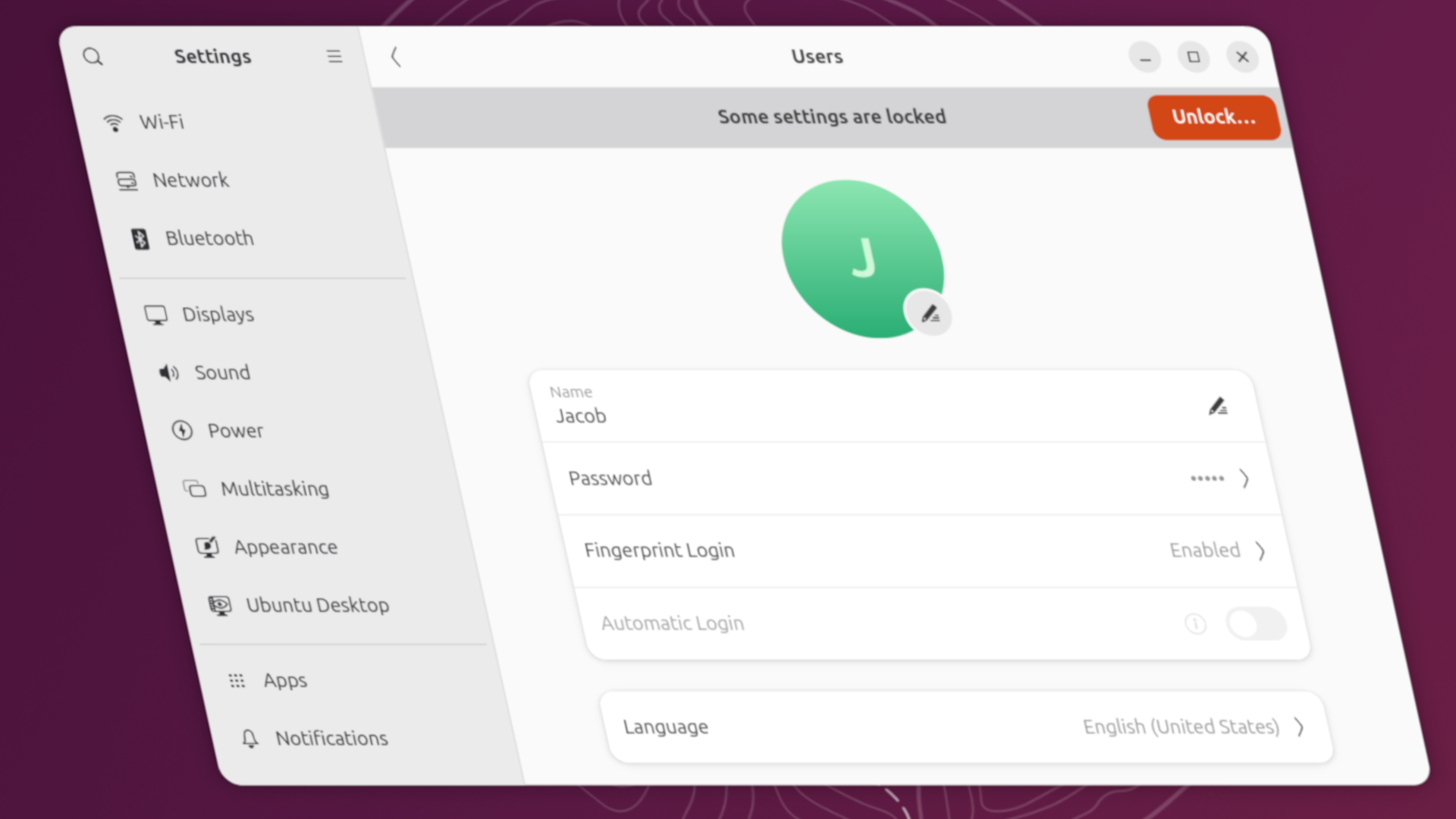
Open-source operating systems built on decades of privacy-first principles now face an unprecedented compliance challenge under California's age-verification law. The requirement, set to take effect in January 2027, mandates that any OS sold or distributed in the state must collect user age or date of birth during setup and share it with app developers upon request. While the legal language appears clear, its practical implementation clashes with the decentralized, data-minimalist ethos of open-source ecosystems.
Most major Linux distributions, including Fedora, are still evaluating how to implement this without creating systemic privacy risks. One proposed approach involves storing age information in a restricted system file that acts as a controlled interface—effectively treating it as local API rather than telemetry data. This would allow applications to query the OS for age verification while minimizing exposure of user records beyond what is strictly necessary.
Exclusion as a Last Resort
Not all projects are willing to engage with the law's requirements, however. MidnightBSD, an operating system descended from Berkeley Software Distribution—a lineage that includes macOS—has taken a radical stance. Its developers have proposed barring California residents entirely from using the OS after the law takes effect, shifting enforcement responsibility back onto state authorities. The move reflects a growing frustration within the open-source community: the same legal tradition that gave birth to Unix now demands compliance with measures that directly contradict its foundational principles.
Legal Ambiguity and Technical Challenges
The law's lack of specificity adds another layer of complexity. It does not mandate identity verification beyond a self-declared age or date of birth, stored in a system file without additional proof requirements. Enforcement relies entirely on an honor system, with civil penalties ranging from $2,500 for unintentional violations to $7,500 for intentional ones—though there are no clear mechanisms for detecting non-compliance.
Smaller projects, such as DB48X—a calculator emulator that functions as a minimal operating environment—have already declared non-compliance. Its legal notice explicitly bars California and Colorado residents from using the software after the effective dates, despite its narrow scope. This underscores how broadly the law is being interpreted, even in highly specialized technical spaces.
Broader Industry Impact
Colorado's pending version of the bill, if enacted, would extend similar requirements starting January 1, 2028. Together, these measures are testing the limits of what open-source software can accommodate without fracturing its communities or eroding user trust.
The trend toward age verification is already facing significant pushback from privacy researchers and security experts. A recent open letter warns that poorly designed systems could create more harm than good—risking false positives, data leakage, and unintended access barriers. For open-source projects, the dilemma extends beyond technical implementation to an ethical one: how to satisfy a regulatory framework that assumes centralized control over user data when their entire philosophy rejects such models.
The law introduces a fundamental tension between regulatory demands and the decentralized, privacy-first ethos of open-source software. As projects navigate this divide—whether through technical workarounds, legal exclusion, or outright resistance—the industry must find a path forward that balances compliance with its core values. The outcome will shape not only how open-source OSes operate in California but also their global influence as alternatives to proprietary systems.