Action RPGs have long relied on a formula: fast-paced combat paired with a relentless drive for better gear. Blizzard’s Diablo IV tightens that formula, introducing changes that could redefine player expectations—not just in loot distribution, but in how players navigate its world.
The game’s new combat system shifts focus from brute-force attacks to a more strategic approach. Skills now require precise timing and positioning, rewarding players who adapt rather than those who rely on raw damage output. This isn’t just a tweak; it’s a fundamental rethinking of how combat should feel in an action RPG.
Loot mechanics have also evolved. Instead of the traditional ‘find and equip’ model, Diablo IV introduces a system where gear is tied to player choices—whether in quests or character builds. This means loot isn’t just about rarity; it’s about relevance. A weapon that excels for a tank may be nearly useless for a caster, forcing players to think harder about their playstyle.
World exploration has expanded beyond the usual hub-and-loot structure. Open zones now feature dynamic events that alter terrain and enemy behavior, creating a more immersive experience. Players can no longer treat the world as a static backdrop; it reacts to their presence, adding depth to traversal.
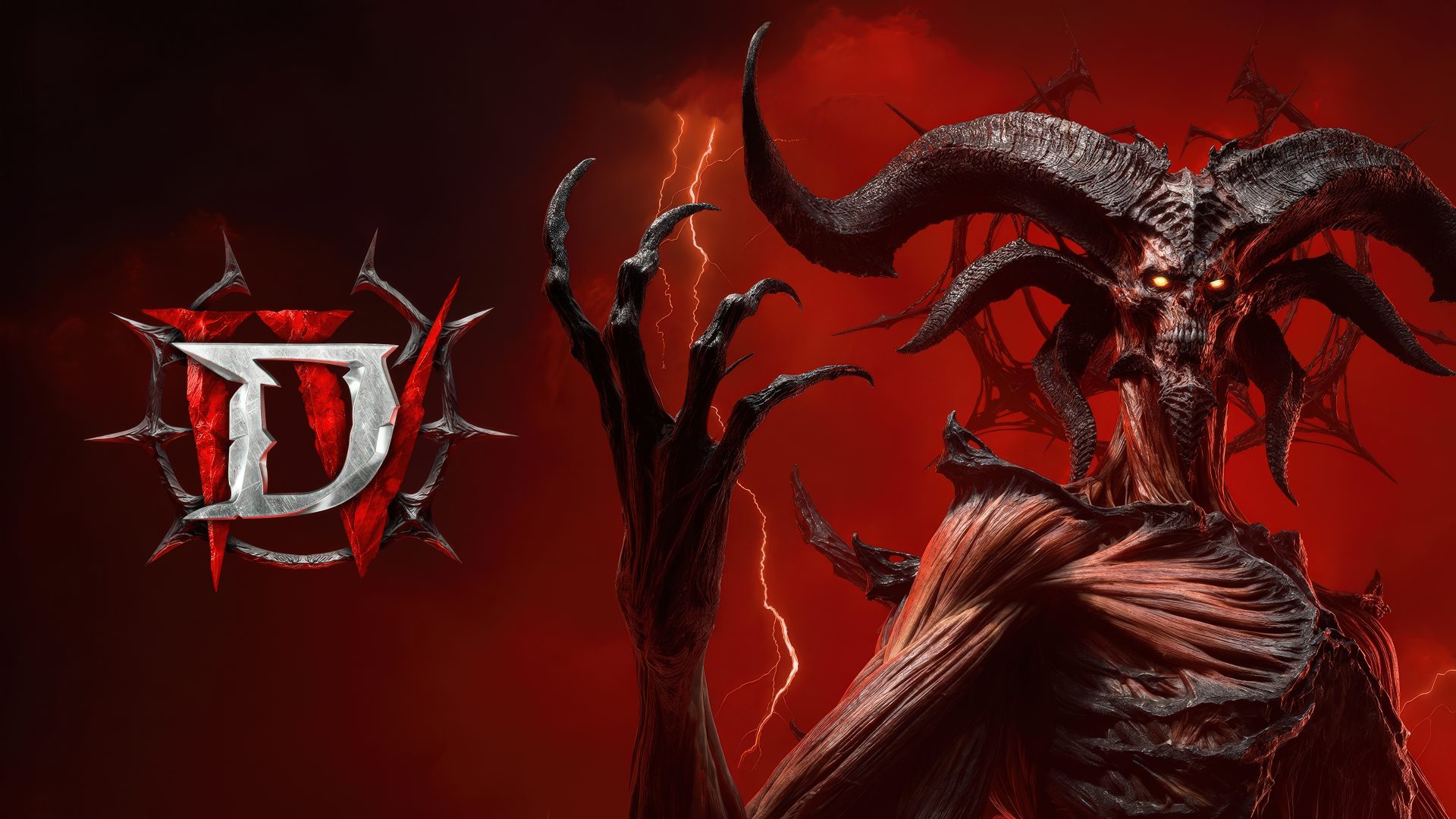
- Combat now demands strategic positioning over raw damage output.
- Loot is tied to player choices, not just rarity.
- World events dynamically reshape terrain and enemy behavior.
- Open zones encourage deeper exploration beyond traditional loot runs.
Yet these changes come with tradeoffs. The new combat system may alienate players accustomed to Diablo’s faster-paced action, particularly in high-intensity moments. Loot relevance, while innovative, risks making gear feel less universally desirable—something long-standing fans may resist. And while open zones add depth, they also lengthen play sessions, which could deter casual players seeking quick loot runs.
The bigger question is whether these shifts will sustain Diablo IV in a genre where competition is fierce. Games like Path of Exile and Helldivers have already pushed boundaries in action RPG design, forcing Blizzard to innovate or risk stagnation. If Diablo IV succeeds, it could set a new standard for the genre—but only if players embrace its evolution over its familiarity.
For developers, this means balancing innovation with accessibility. For players, it’s about adapting to a game that no longer rewards mindless grinding but demands engagement. The stakes are high: Diablo IV either cements Blizzard’s legacy or risks being overshadowed by those who took bigger risks first.
The practical takeaway is clear: this is a game for players willing to engage deeply, not just those chasing loot. Those who adapt will find Diablo IV’s refinements rewarding; those who resist may find it too different from what they expect. The challenge lies in whether the genre follows—or if Blizzard has gone too far, too fast.