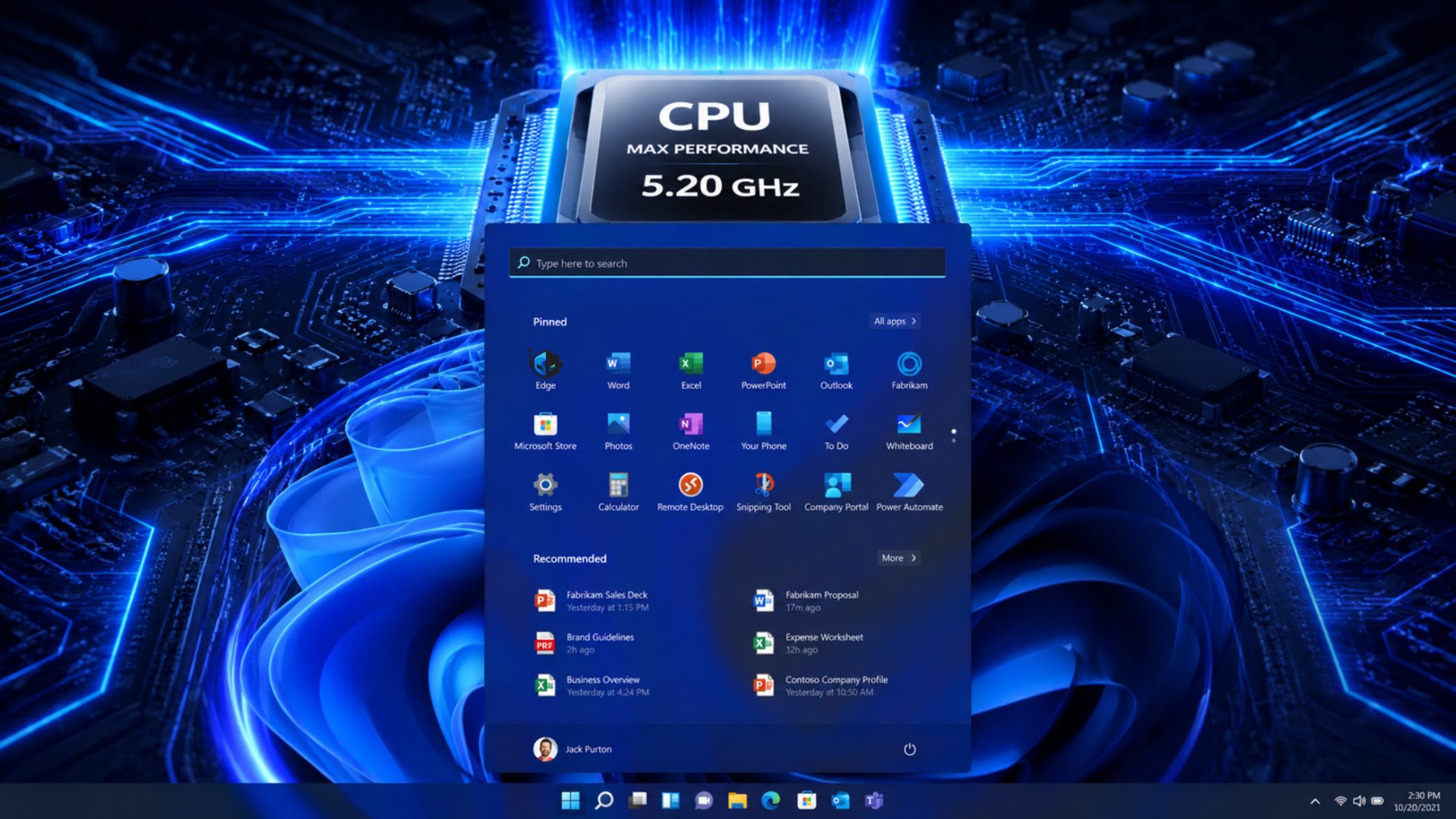
Windows 11 is introducing a new performance optimization that forces CPUs to operate at their maximum boost frequency for short, targeted bursts. This approach, part of an effort codenamed 'Low Latency Profile,' delivers noticeable speed improvements for app launches and system operations but introduces potential tradeoffs in thermal management and battery efficiency.
The feature temporarily pushes CPU cores to their peak clock speeds—typically 1-3 seconds per event—during routine tasks such as launching built-in applications like Edge or Outlook, or opening the Start Menu. Early testing indicates a performance gain of up to 70% for system-level operations and around 40% for in-box apps. While the benefits are immediate and tangible, the method challenges traditional OS design principles that prioritize sustained battery life and thermal headroom.
Why It Matters
The Low Latency Profile represents Microsoft's latest attempt to preemptively optimize performance without requiring manual user intervention or hardware-specific adjustments. Unlike previous optimizations—such as preloading File Explorer, which had minimal impact—the new method relies entirely on dynamic CPU frequency scaling during microbursts of activity. For users who prioritize responsiveness, particularly gamers and power users, the result could mean near-instantaneous app responses.

Key Specs
- Boost Duration: 1-3 seconds per event (app launch, menu open)
- Performance Gain: Up to 70% faster for system operations; ~40% for in-box apps
- Thermal Impact: Minimal if bursts are brief, but could raise average CPU temperatures slightly
- Battery Effect (Laptops): Likely negligible with proper power management, though not yet confirmed
- User Control: Currently automatic; no toggle reported
The feature's aggressiveness distinguishes it from typical OS-level optimizations. While short bursts of maximum frequency are unlikely to cause immediate issues, prolonged exposure—especially on mobile devices—could lead to thermal throttling or reduced battery longevity over time. Microsoft has not yet addressed whether users can disable the behavior, leaving its long-term impact speculative.
Broader Implications
The Low Latency Profile suggests a broader trend in consumer operating systems: an increasing blurring of the line between performance tuning and hardware management. This approach prioritizes immediate responsiveness over sustained efficiency, which could have implications for device longevity and thermal design. Whether this shift is sustainable—or merely another layer of optimization—remains to be seen as Microsoft refines the feature for wider deployment.
Who Benefits
- Gamers and power users who prioritize instant app responses and system-level performance.
- Users on high-end desktop systems with robust cooling solutions, where thermal impact is less of a concern.
However, the feature may introduce slightly faster battery drain and marginally higher temperatures on laptops under sustained workloads. For users who prioritize battery life or run applications that require prolonged high-performance operation, this tradeoff could be more pronounced.