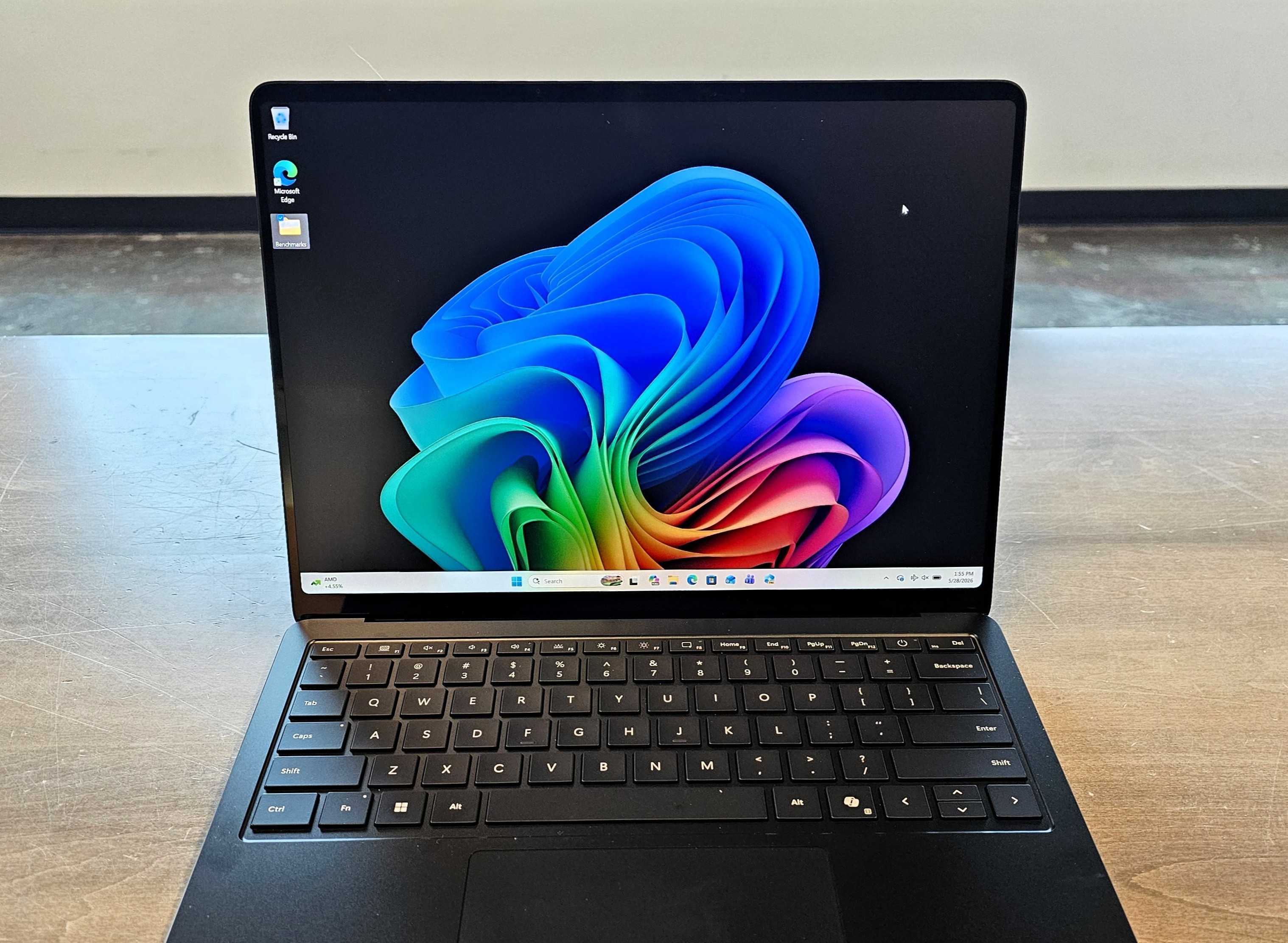
For users who prioritize data security over the latest operating system features, Windows 11 is now considered a high-risk choice. A growing chorus of privacy advocates and cybersecurity experts argue that the operating system’s AI-driven Recall function—capable of recording every screen interaction—poses an unacceptable threat to sensitive information, including passwords, financial records, and personal health data.
The feature, which Microsoft markets as a productivity tool, operates by continuously capturing and indexing user activity. Yet its default behavior conflicts with European privacy laws, particularly the GDPR, which mandates explicit consent for data collection of this nature. The Centre for Digital Rights and Democracy has raised concerns that Recall’s passive recording mechanism violates these regulations, as users are unlikely to be fully aware of its operation.
Even those who attempt to disable Recall face uncertainty. Microsoft’s documentation suggests the feature is limited to Copilot+ PCs, but evidence indicates it is embedded across all Windows 11 24H2 systems. Experts warn that disabling the tool through settings may not be permanent, as future updates could reactivate it without user consent.
Why Windows 10 Remains the Safer Option—for Now
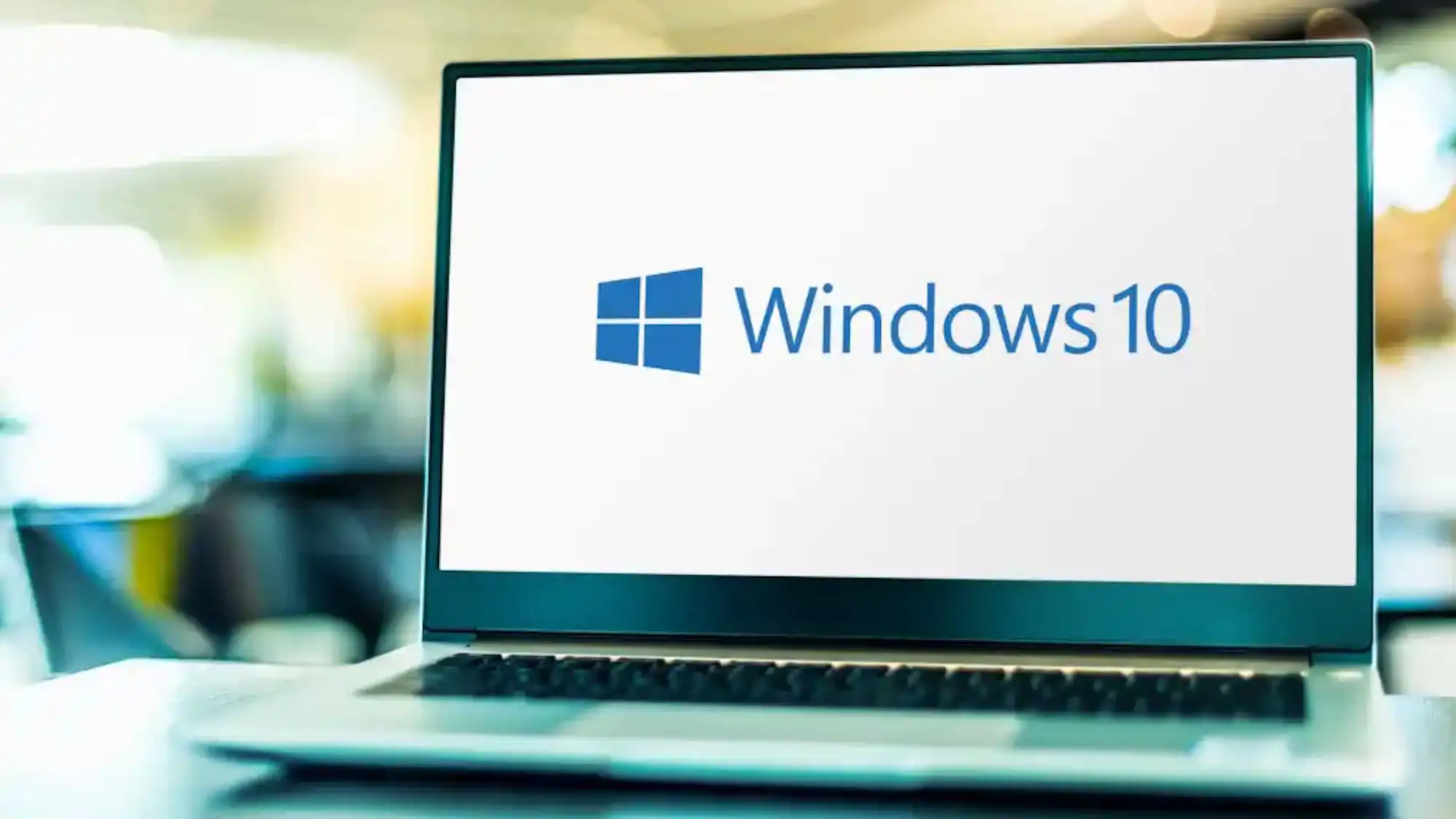
Given these risks, many cybersecurity professionals recommend a pragmatic approach: stick with Windows 10 as long as possible. Microsoft’s Extended Security Updates program currently supports Windows 10 through October 2026, providing a critical window for users to avoid the privacy pitfalls of Windows 11. Beyond that date, unpatched vulnerabilities could expose users to exploits, making an upgrade inevitable—but not necessarily to Windows 11.
For those unwilling to wait, the most viable alternative is transitioning to a Linux-based distribution. Unlike Windows 11, Linux offers granular control over data collection, with no built-in features that silently record user activity. While the learning curve for newcomers can be steep, the long-term benefits for privacy and security are substantial.
Trust in Microsoft Under Scrutiny
The broader question looms over whether Microsoft can be trusted with user data. Over the past decade, the company has faced repeated criticism for opaque privacy policies, forced updates, and a history of security lapses. Public institutions and organizations handling sensitive data are now explicitly advised against adopting Windows 11, with some European agencies calling for a shift away from Microsoft’s monopoly to homegrown, GDPR-compliant alternatives.
Breaking Microsoft’s dominance in the operating system market isn’t just a technical challenge—it’s a political one. By investing in open-source solutions, governments and enterprises could reduce reliance on proprietary systems while fostering innovation in digital infrastructure. For individual users, the message is clear: privacy requires proactive measures, whether through delayed upgrades, alternative operating systems, or a cautious approach to new AI-driven features.
What Should You Do?
- Stay on Windows 10 until October 2026, when extended support ends.
- Disable Recall if upgrading to Windows 11—but recognize the risk of reactivation in future updates.
- Consider Linux for long-term privacy, especially if handling sensitive data.
- Assess organizational policies—public or corporate users should evaluate whether Windows 11 complies with internal security standards.
For those who’ve delayed the Windows 11 upgrade out of privacy concerns, the advice remains the same: there’s no rush. The cost of switching may now outweigh the benefits—particularly when safer alternatives exist.