Memory prices have reached a breaking point, and the worst may be yet to come. After months of gradual increases, RAM costs are now climbing at an alarming rate, outpacing even the most dire forecasts. The latest data reveals a market under extreme pressure, with no immediate relief in sight.
What’s driving this surge? A perfect storm of supply chain bottlenecks, geopolitical tensions, and an insatiable demand for high-capacity modules. While some hoped prices would stabilize after initial spikes, the opposite has occurred—with analysts now warning of a prolonged period of instability. For businesses and enthusiasts alike, the cost of upgrading or building new systems has become a financial gamble.
A Crisis Beyond Temporary Fluctuations
The current wave of price hikes isn’t just another blip. Unlike past volatility, this surge is being described as unprecedented and record-breaking, with no clear end in sight. The most affected modules include high-density DDR5 and high-capacity DDR4 kits, where prices have jumped by double digits in recent weeks alone. Even bulk purchases, once a hedge against inflation, now offer little protection as manufacturers struggle to keep up with demand.
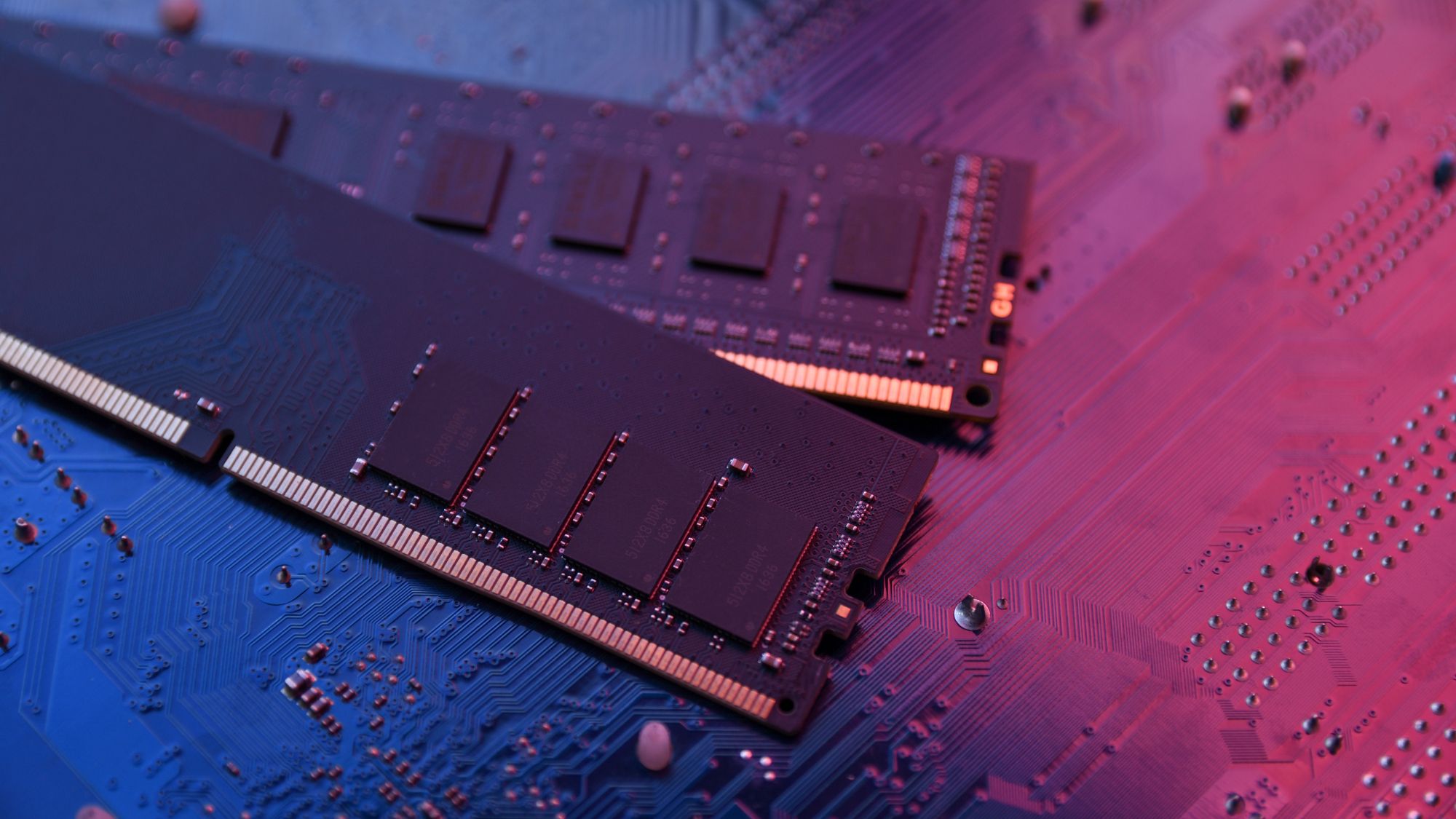
For context, a 32GB DDR5 kit that might have cost around $120 just six months ago could now exceed $180—an increase that ripples through every segment, from gaming rigs to data centers. The ripple effect is already being felt in PC builds, where RAM often represents the second-largest expense after the CPU. With no major price drops expected in the near term, buyers are left with tough choices: pay upfront for inflated costs or delay purchases until conditions improve.
What’s Next for the RAM Market?
The outlook remains grim for the foreseeable future. While some industry observers had hoped for a gradual recovery by mid-2024, the latest assessments suggest the opposite—a prolonged period of elevated prices before any meaningful correction. Factors contributing to the prolonged crisis include
- Supply chain disruptions that continue to limit production capacity.
- Geopolitical tensions affecting key manufacturing regions.
- Unmet demand from sectors like AI, cloud computing, and high-performance gaming.
For consumers, the advice remains the same: budget accordingly and consider alternative configurations if possible. Those in the market for new systems should monitor trends closely, as prices could either stabilize or climb further before easing. The RAM crunch isn’t just a temporary inconvenience—it’s a test of patience for anyone relying on memory-intensive hardware.