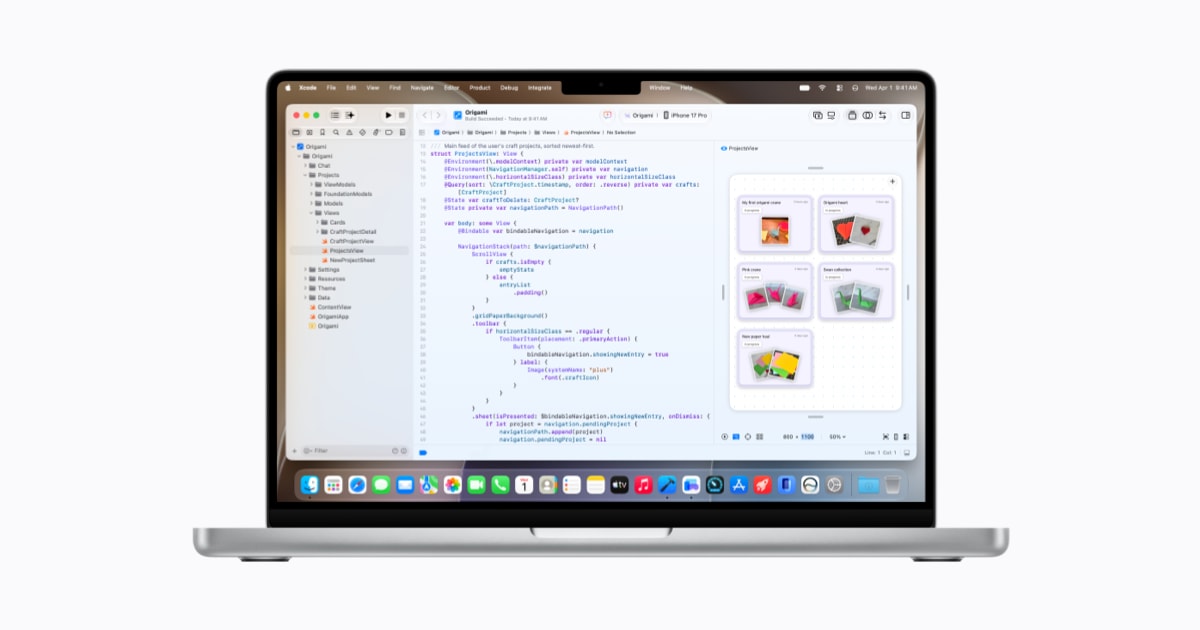
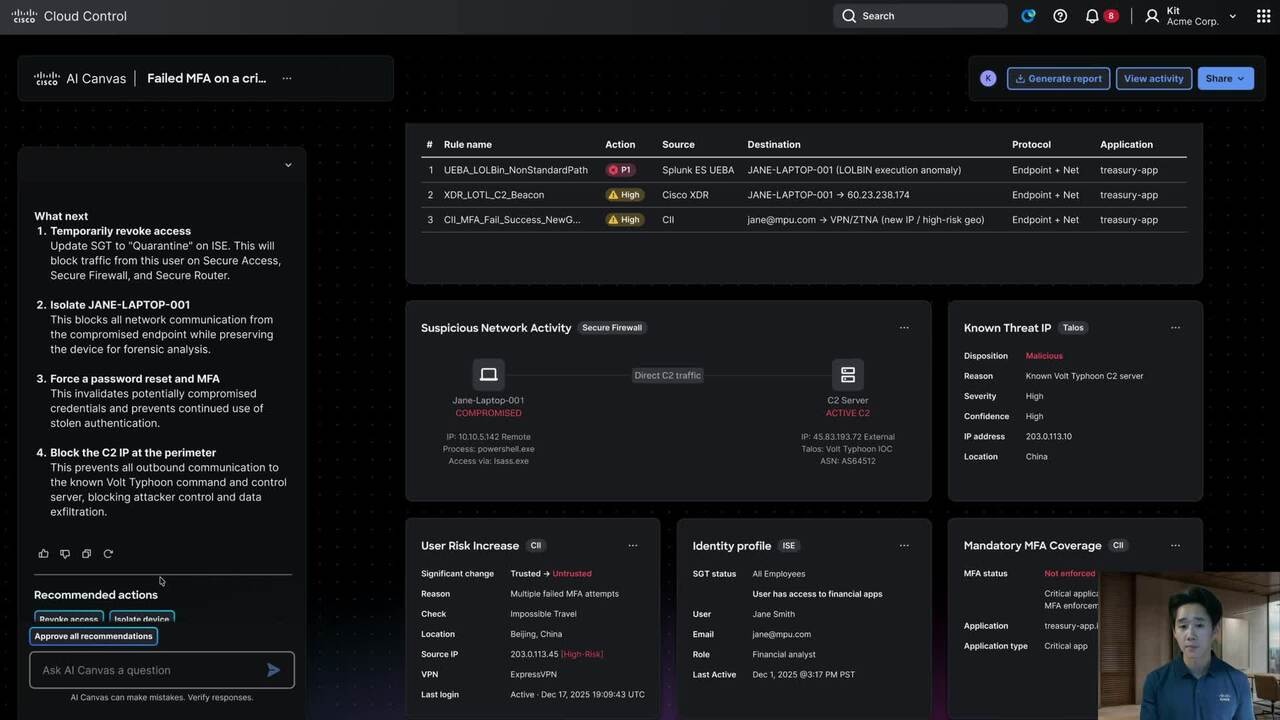
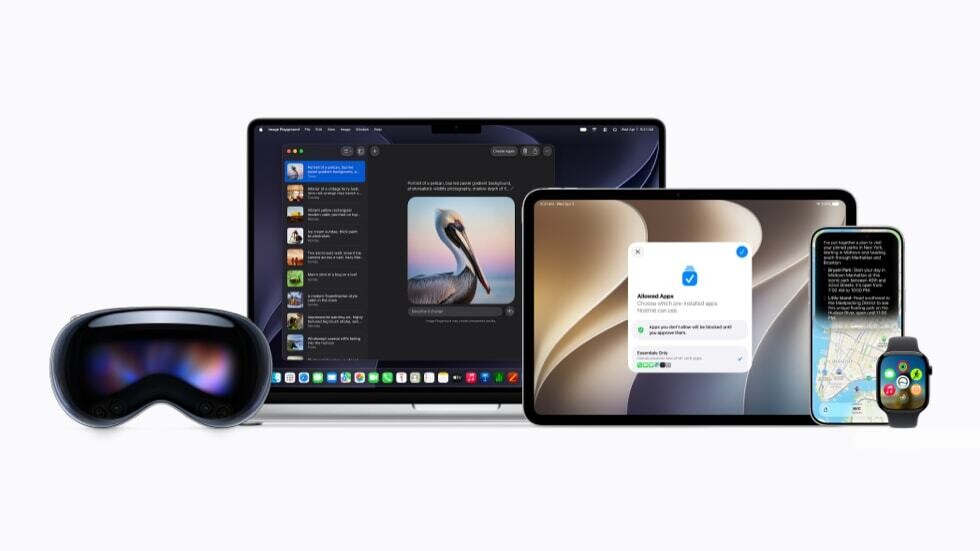
Apple's latest move in artificial intelligence signals a potential turning point for how devices handle complex tasks locally. The new on-device AI models, with capacities reaching 20 billion parameters, are designed to perform advanced computations without relying on cloud servers. This shift could reshape the landscape for data-intensive workloads, particularly in privacy-sensitive environments.
The announcement arrives at a time when cloud-based AI solutions have dominated the market. By pushing the boundaries of on-device processing, Apple is challenging the status quo, offering an alternative that prioritizes speed and autonomy over remote dependency. The new models are expected to integrate seamlessly with existing hardware, leveraging improvements in chip architecture to deliver performance on par with cloud counterparts.
Key Details
The new AI models boast several technical advancements. They operate entirely on-device, eliminating the need for constant internet connectivity or cloud interactions. This is achieved through a combination of optimized neural network architectures and hardware-level optimizations, including support for higher clock speeds and more efficient memory management.
- On-device processing with up to 20 billion parameters
- No reliance on cloud servers for core AI tasks
- Improved chip performance with faster clock speeds and optimized RAM usage
Why It Matters
The implications of this shift are significant, particularly for industries handling sensitive data. Local processing reduces latency and enhances privacy, as data never leaves the device. For users, this means faster response times and more reliable performance, even in areas with limited connectivity.
However, challenges remain. The sheer scale of 20 billion parameters suggests that these models will require substantial hardware resources to run efficiently. While Apple has not disclosed exact power consumption figures, early benchmarks indicate a balance between performance and battery life, though this may vary depending on the specific use case.
Looking ahead, the success of Apple's on-device AI will hinge on its ability to match or surpass the capabilities of cloud-based solutions while maintaining efficiency. If it succeeds, it could set a new standard for how AI is deployed in consumer devices, potentially influencing competitors to rethink their own strategies.