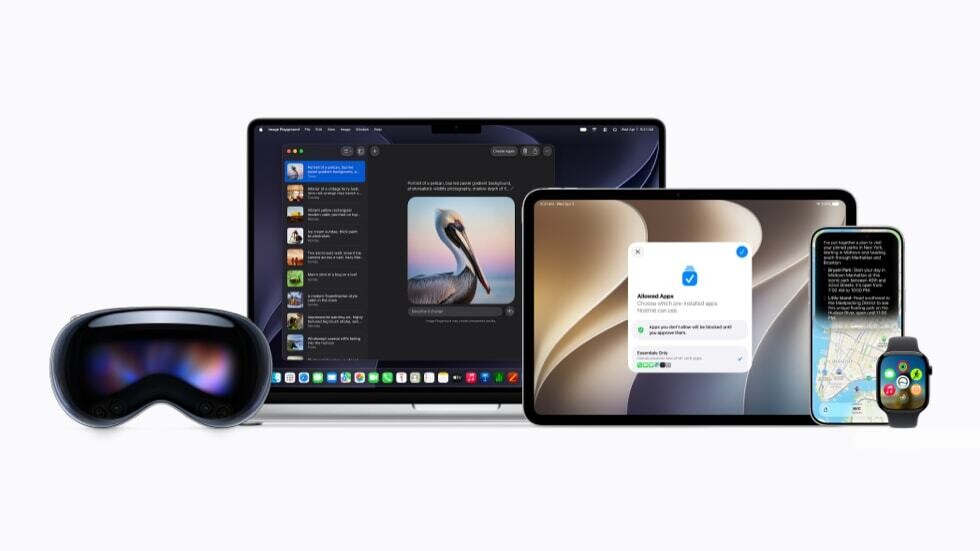
Developers now have access to more sophisticated tools that blend seamlessly with Apple's ecosystem, but the real question is whether this shift will change how apps are built—or if it simply refines an already polished process.
Apple’s latest move centers on two key frameworks: one for processing structured data and another for handling unstructured inputs like images or text. These tools are built to integrate directly into existing workflows, allowing developers to add intelligence features without overhauling their projects. For example, a developer working on an image-editing app could now apply advanced segmentation models with just a few lines of code, a task that previously required specialized knowledge.
This isn’t the first time Apple has pushed developers toward more intelligent tools. In 2024, the company introduced Core ML 5 with performance optimizations for on-device AI, and last year’s WWDC highlighted a growing emphasis on developer productivity. But this latest update goes further by offering pre-trained models for common tasks, such as object detection or natural language processing, reducing the need for custom training in many cases.
Why This Matters
The new frameworks are designed to address two major pain points: complexity and scalability. On one hand, developers can now implement advanced features without diving deep into machine learning pipelines. On the other, Apple is handling the heavy lifting of model training and optimization, which could speed up development cycles significantly. However, the trade-off is visibility—developers rely more on Apple’s infrastructure, which may limit flexibility for those with specific needs.
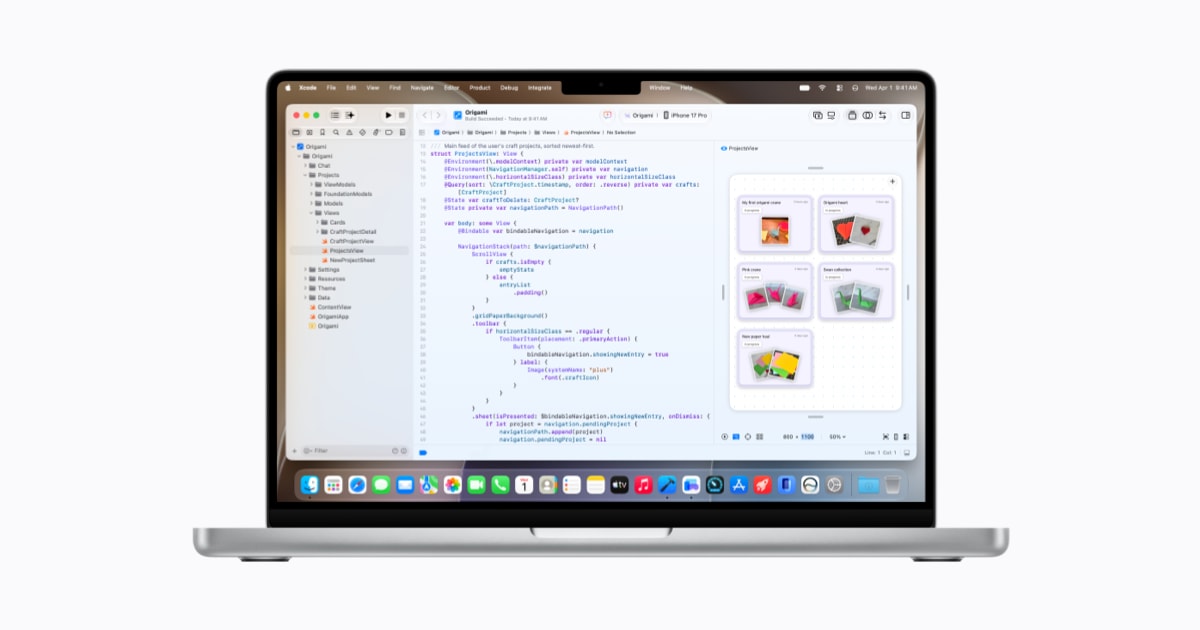
For power users, the immediate impact will likely be noticed in build times and app performance. Tasks that previously required cloud processing can now run locally with minimal setup, a shift that could lead to faster iterations during development. But whether this translates to better apps remains an open question—Apple’s tools are powerful, but their effectiveness depends on how creatively developers integrate them.
A Timeline Perspective
Looking back, Apple’s approach to developer tools has evolved alongside its hardware and software advancements. The introduction of Core ML in 2017 marked a turning point by bringing machine learning to mobile devices, but it was initially targeted at experienced developers. Over the years, the focus has shifted toward accessibility, with each iteration making AI more approachable for non-experts.
This latest update follows a similar trajectory, but with a stronger emphasis on pre-built solutions. In 2024, Apple introduced Core ML 5 with hardware-accelerated processing, and in 2025, it expanded its developer resources to include more sample code and tutorials. Now, the company is taking another step by providing ready-to-use models for everyday tasks, effectively lowering the barrier even further.
For developers, the question isn’t just about what these tools can do today—it’s about how they’ll adapt in the future. Will Apple continue to refine its pre-trained models, or will it push developers toward custom solutions as AI becomes more complex? The answer may hinge on whether the company strikes a balance between convenience and control.
The new intelligence frameworks are expected to be available later this year, with pricing tied to Apple’s existing developer programs. For now, the focus is on integration, but the long-term implications could reshape how apps are built—not just on Apple platforms, but across the industry.